
Some days the load feels like an endless pile of tasks. Lists get written, crossed out and filled up again. The head is noisy, the body is tense, and the overall feeling is chaos.
Interestingly, it's precisely when we don't have a spare minute that an hour of movement can be our lifeline.
Let's put it on the table for a moment: overload isn't only mental or emotional. It's completely physical too.
Our body can't tell the difference between "I have to finish a project at work" and "I'm facing a real threat". As far as it's concerned, overload = stress. And stress brings a chain of physical reactions:
Shoulders tighten
The jaw locks
The heart beats faster
Breathing gets shorter
Fatigue builds up
Stress hormones that just don't clear from the system
Not to mention the wrinkles…
When the body is stressed, we feel heavy, tired, less sharp, and sometimes more irritable or overwhelmed. Accumulated load sits in the muscles, the breath and the nervous system – so we feel it in the body no less than in the head.
How do I squeeze a workout into my packed schedule??
We're used to thinking of exercise as just another "task". And it really can look like one if we don't understand the value it has for the body – especially at our busiest times.
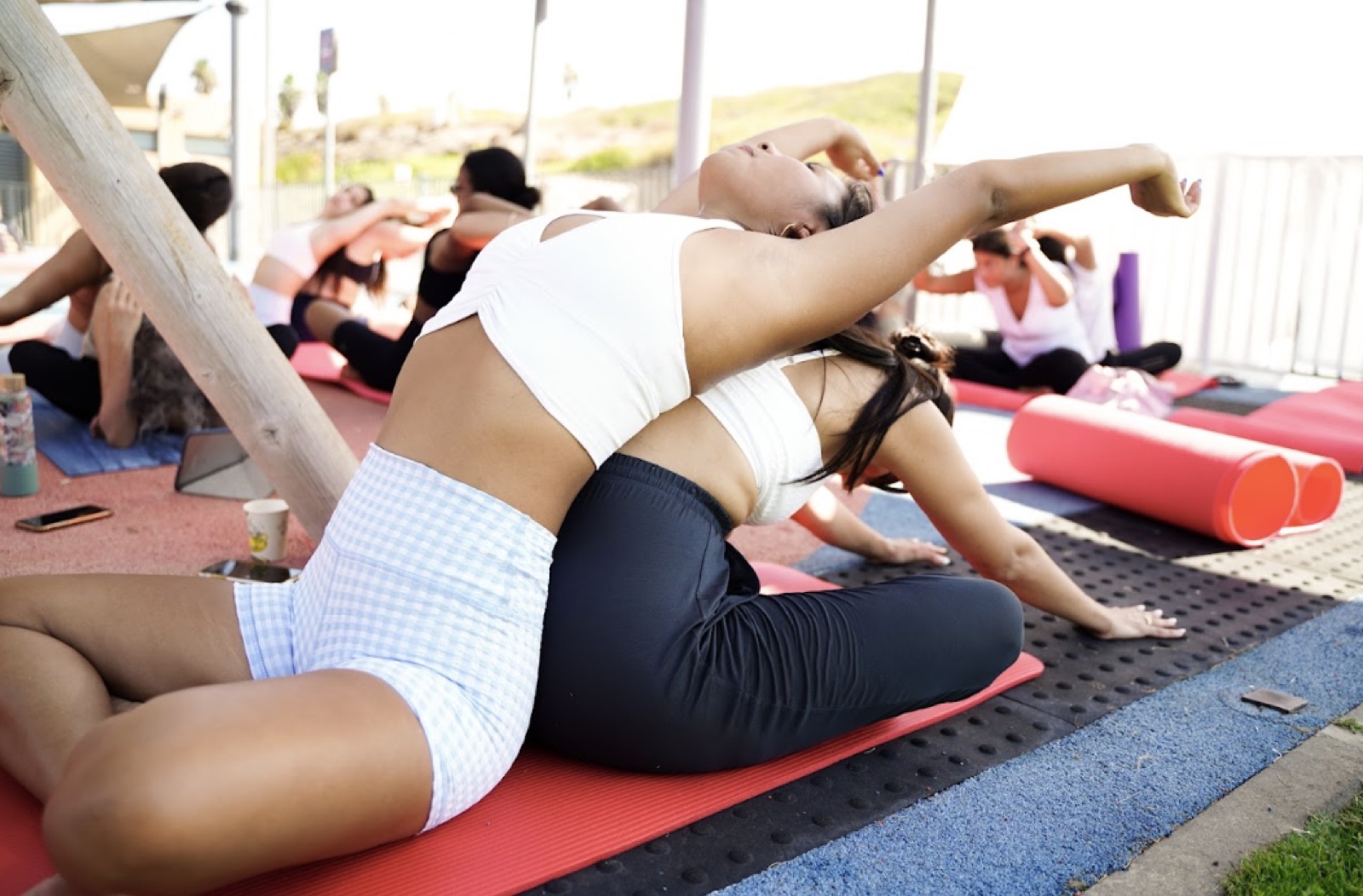
When we move our body – whether in Pilates, yoga or a short walk around the neighbourhood – a few things happen almost immediately:
Movement is the most natural way to break down the adrenaline and cortisol that have built up in the body. After light to moderate exercise, stress levels drop. (How fun is biology!)
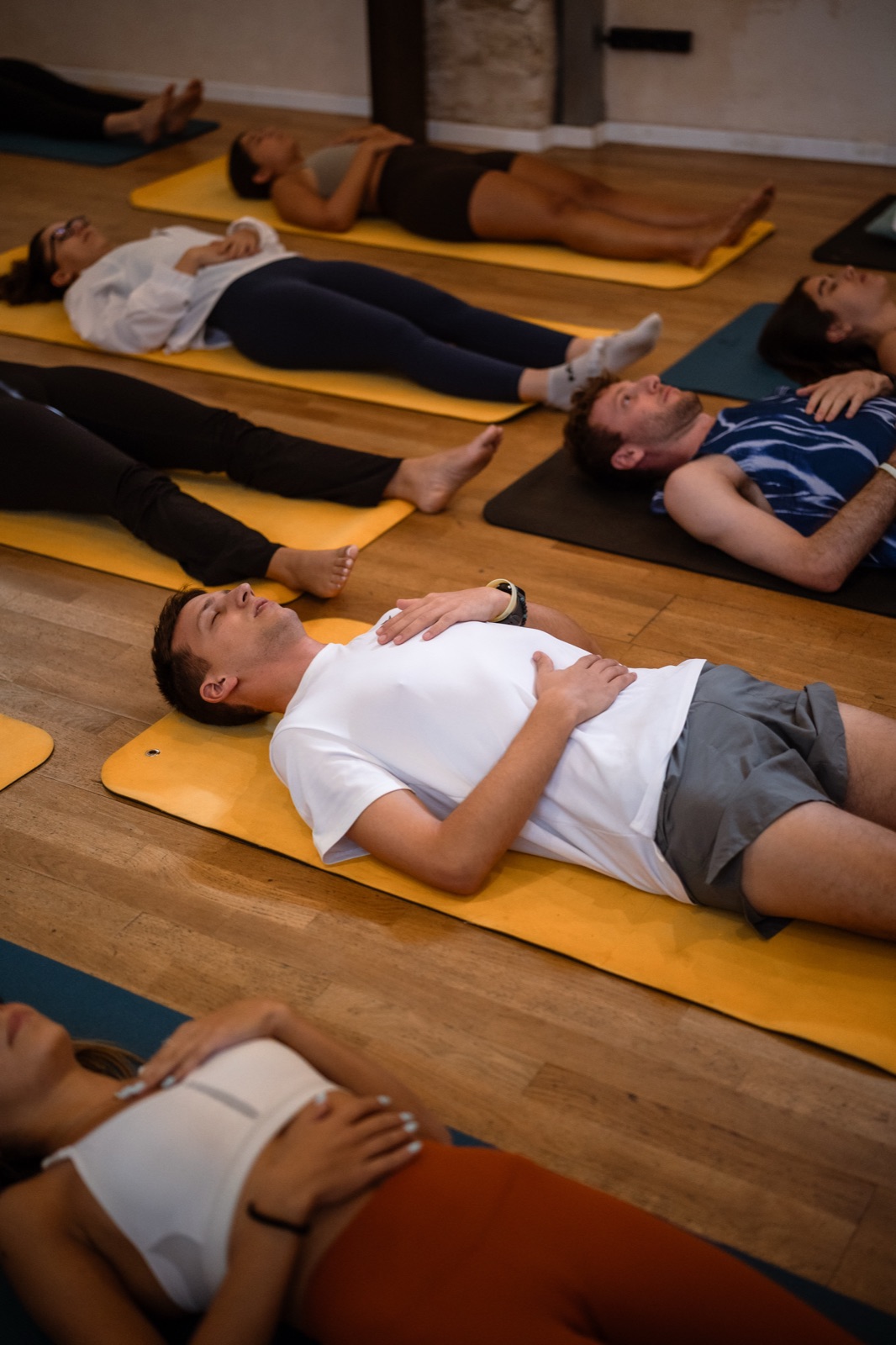
In Pilates or yoga, breathing becomes more conscious. Suddenly the air reaches deep, the diaphragm works, and the body leaves "survival mode".
All the tension from hours at the computer, driving and phones suddenly lets go.
One hour of movement resets the nervous system. We notice that after a workout our thoughts are more organised, our decisions clearer, and our head is no longer as noisy as before.
It sounds counterintuitive – if I "spend" energy, how will I be energetic? But that's exactly how it works: movement creates energy. The blood flows, the muscles get oxygen, and the body essentially wakes up again.
So why does it feel like I'm "squeezing" one more thing into my schedule?
Maybe it's a matter of perspective.
An hour of training gives me time back rather than "stealing" it. It brings back focus, efficiency, mood, clarity and motivation – and it's what lets you get through another busy day without collapsing mentally or physically.
Another way is to see it as an act of self-compassion: to understand that this workout, this moment with myself, is something I deserve!
And it doesn't have to be long or gruelling – even a 20-minute walk, a short Pilates class or 10 minutes of stretching can absolutely work and make a huge difference to the heaviness in your body and the clarity in your head.
Whether we like it or not, movement is one of the most effective and pleasant ways to take back ownership of our body, our breath, our mind and our day. Overload is unavoidable – the secret is knowing how to manage it, and not letting it manage us.
More from the journal
· 2 min read
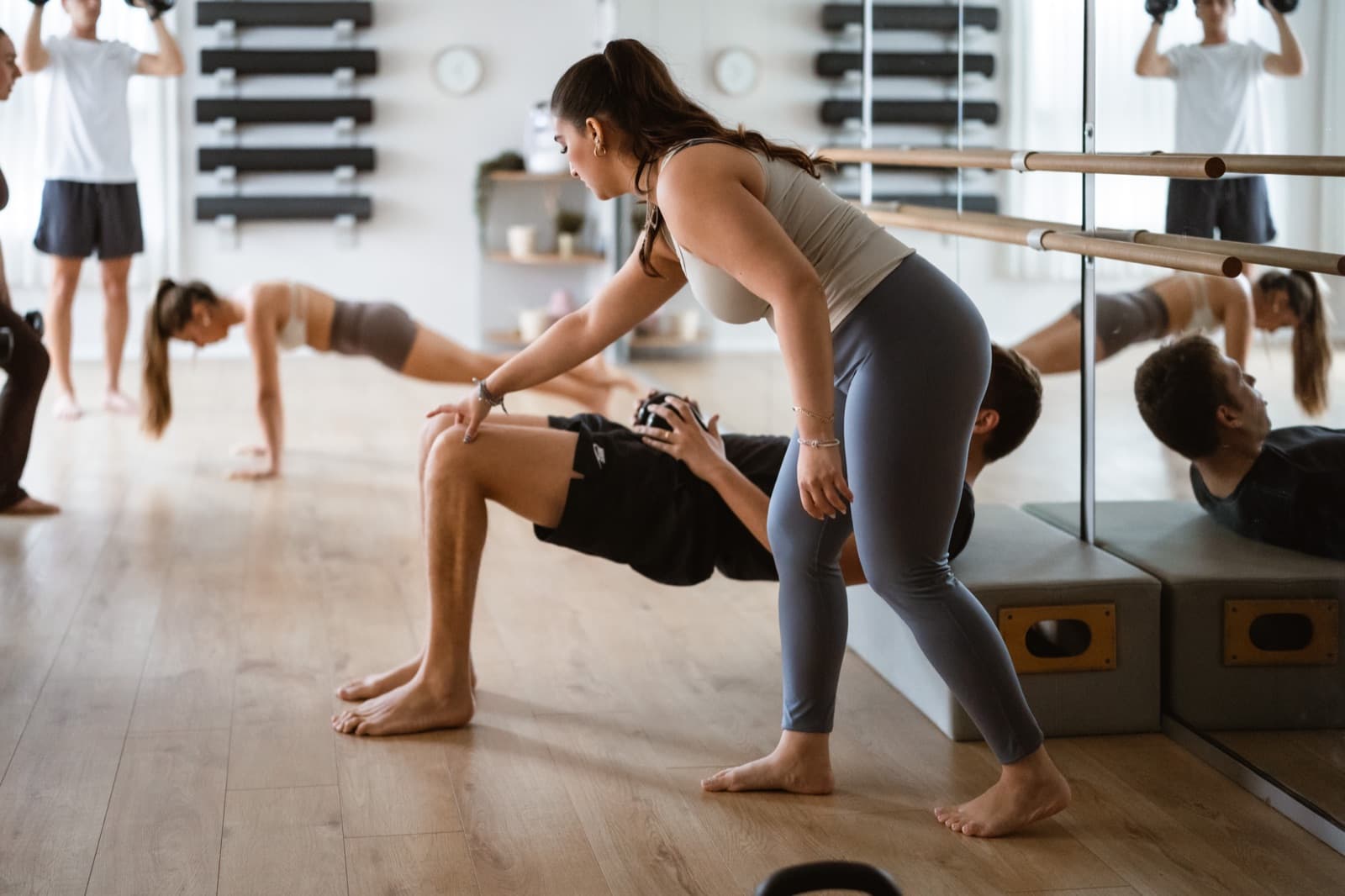
If I didn't sweat, does it still count as a workout?
You know that moment when you leave the studio, look in the mirror and suddenly think:
· 3 min read
My doctor told me to start Pilates
The information in this post is based on my personal and professional experience and is not a substitute for medical, physiotherapy or any other professional advice. For any medical question or limitation, consult your doctor or treating professional.
· 2 min read
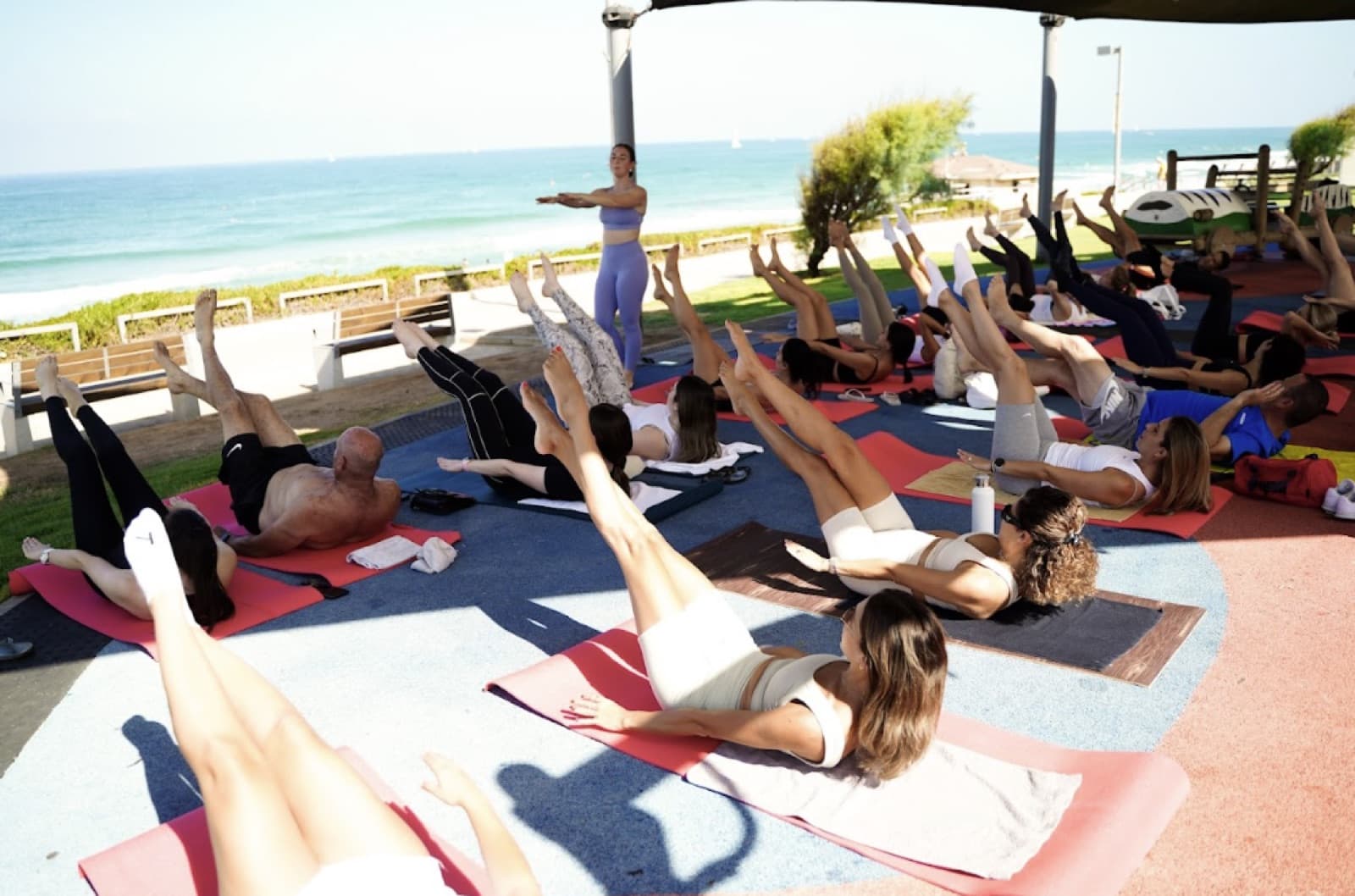
Family movement
The summer holidays bring plenty of challenges – routine, screen time and the endless search for something to do – but also a great opportunity: family quality time that doesn't have to mean screens or another trip to an air-conditioned mall with junk food.