
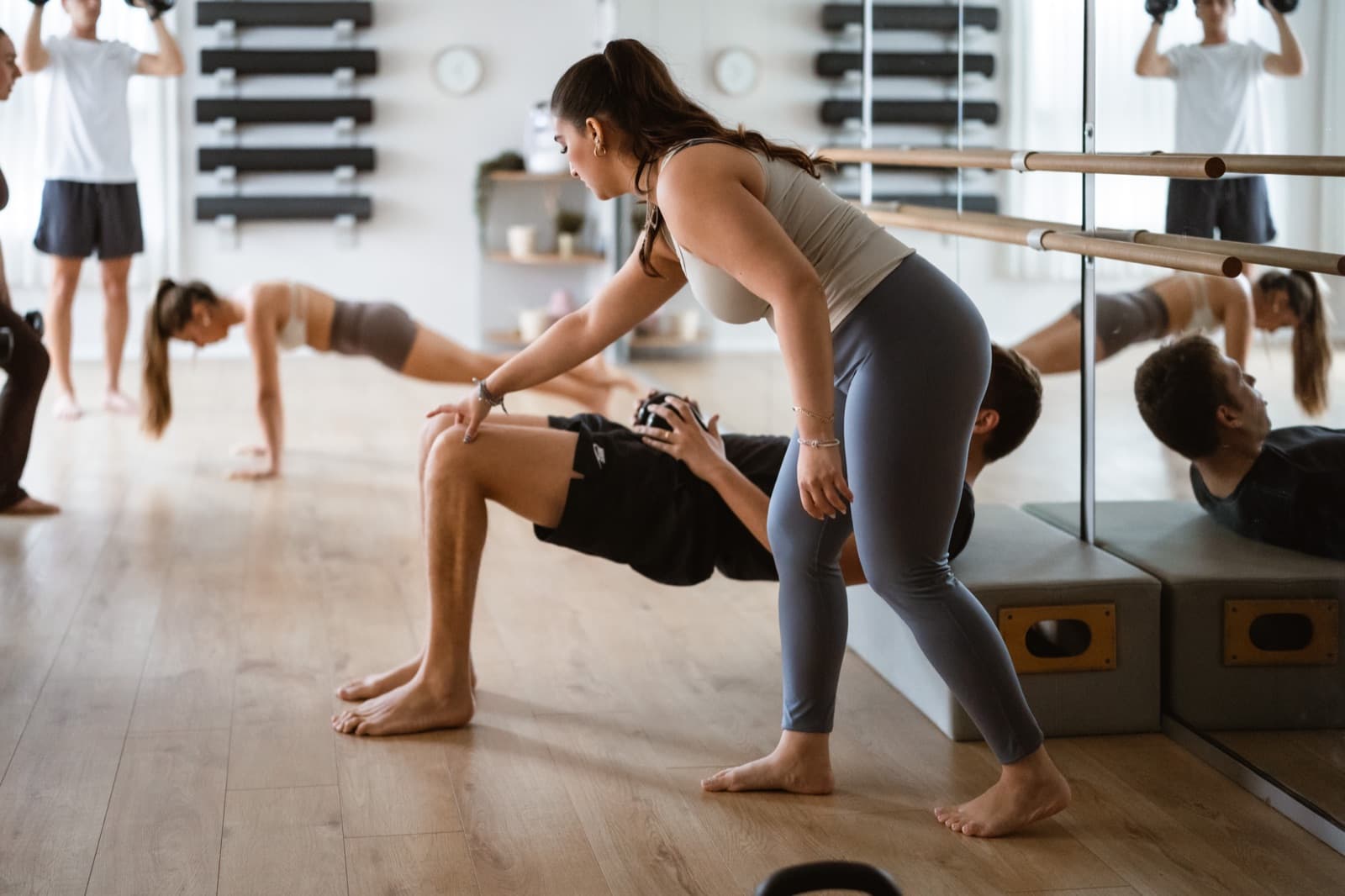
You know that moment when you leave the studio, look in the mirror and suddenly think:
"Wait, I didn't sweat at all today?"
Or when you wake up the next morning, move from side to side, and discover nothing is sore and your body moves freely. And then comes that little whisper in your head:
"So yesterday's workout didn't really count?"
We've got used to linking a "successful workout" with a sky-high heart rate, muscles shaking like jelly and, most importantly, struggling to get out of bed the next day. But those "suffering" metrics don't really say much about how effective the workout was. The media makes us believe that movement and sport have to be a "punishment" or "suffering". It really doesn't have to be that way.
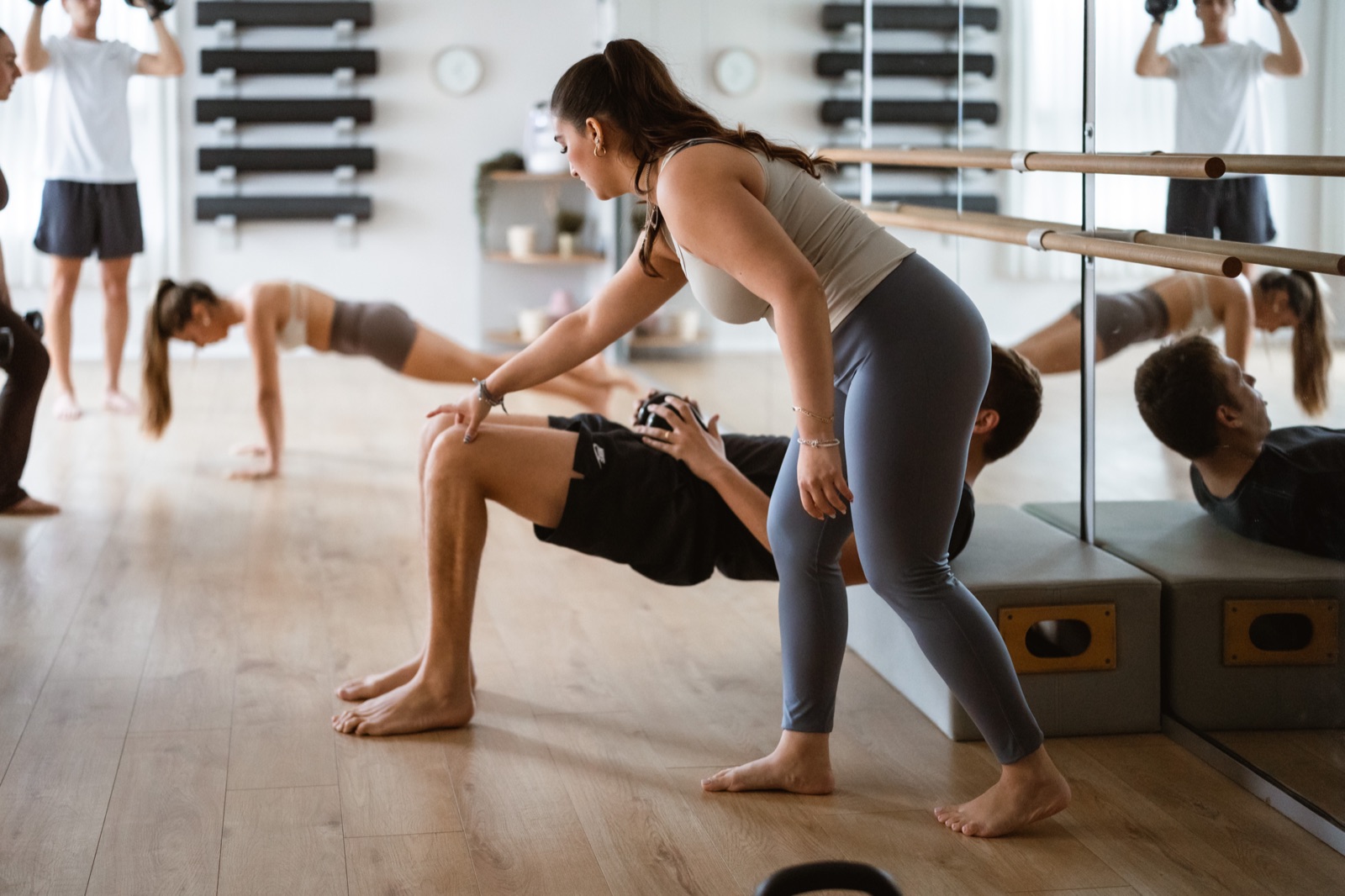
Let's sort things out:
Sweat is just the body's way of cooling itself. It has nothing to do with quality.
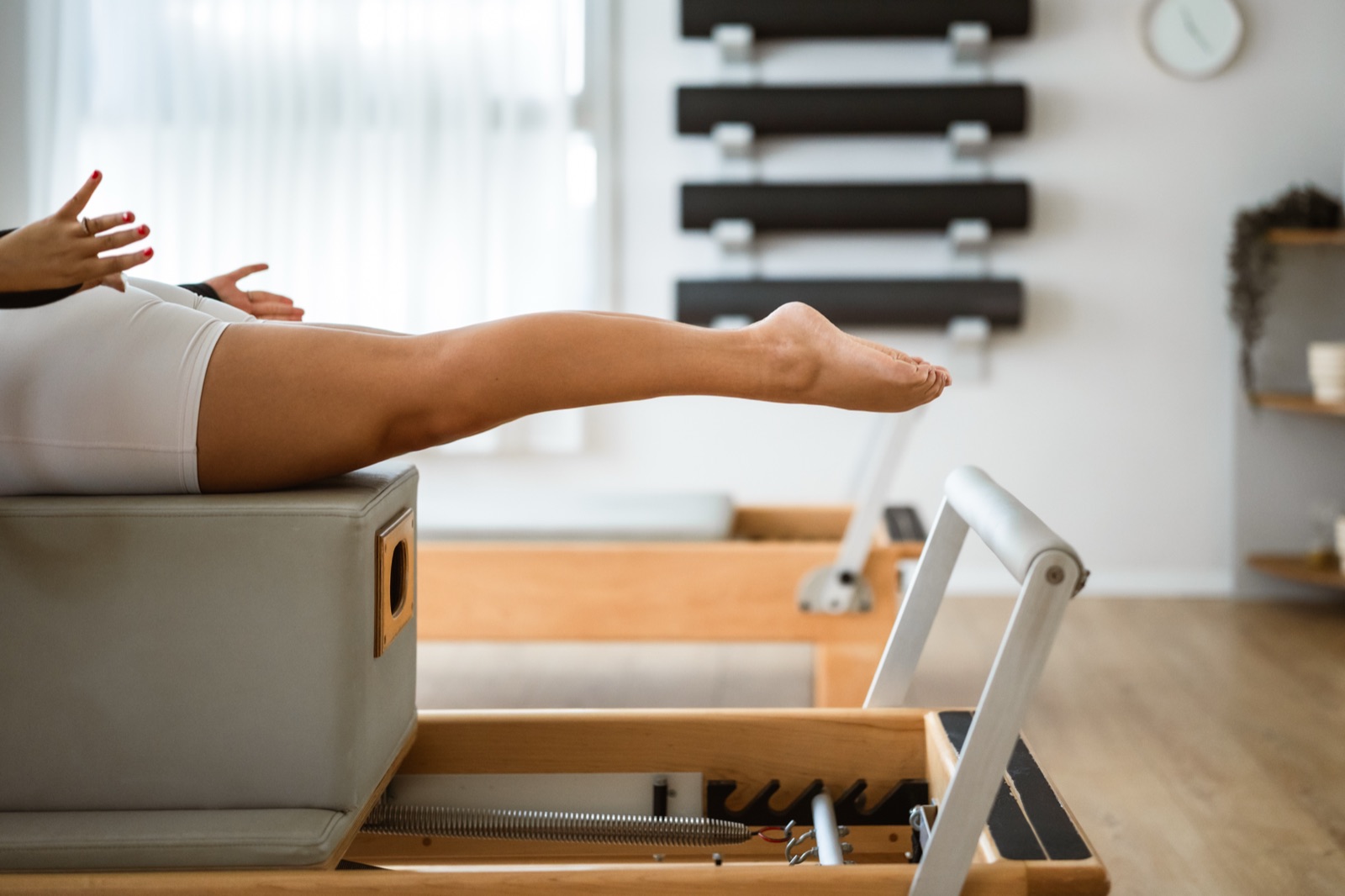
Sweat is simply the body's cooling system. It tells us we were hot – because of an AC that didn't work (thanks to our wonderful instructors…), crazy humidity outside, clothes that were too thick, or simply genetics (yes, some people sweat just thinking about movement, and some stay dry even after a hundred squats). You can lift heavy weights or take a precise, deep and insanely challenging reformer Pilates class and barely sweat. And on the other hand, you can go for an easy walk at noon in August and drip endlessly. So if you didn't sweat? All good – the workout totally counts.
Sore muscles? That's mostly novelty, not necessarily progress
Muscle soreness (known as DOMS – delayed onset muscle soreness) usually comes when the body meets something it isn't used to: a new exercise, a different load, or returning to training after a break. As you train regularly and your body adapts, it simply becomes more efficient – so you'll feel less sore. That doesn't mean you've stopped getting stronger or that the workout wasn't successful. It means exactly the opposite: your body has learned to work! Congratulations!
The magic of "less is more"
This is something I try to instil again and again in class: as you progress, the goal isn't necessarily to add more weight, do an extra 50 reps or speed up. The real magic happens when you slow down. When technique improves and muscle recruitment is precise, a movement that looks simple and almost invisible from the outside can burn well – and burn right. Doing an exercise slowly, without momentum or swing, and without "cheating" with compensating muscles, is much harder than it looks. Suddenly, on the third repetition, you understand exactly what we mean…
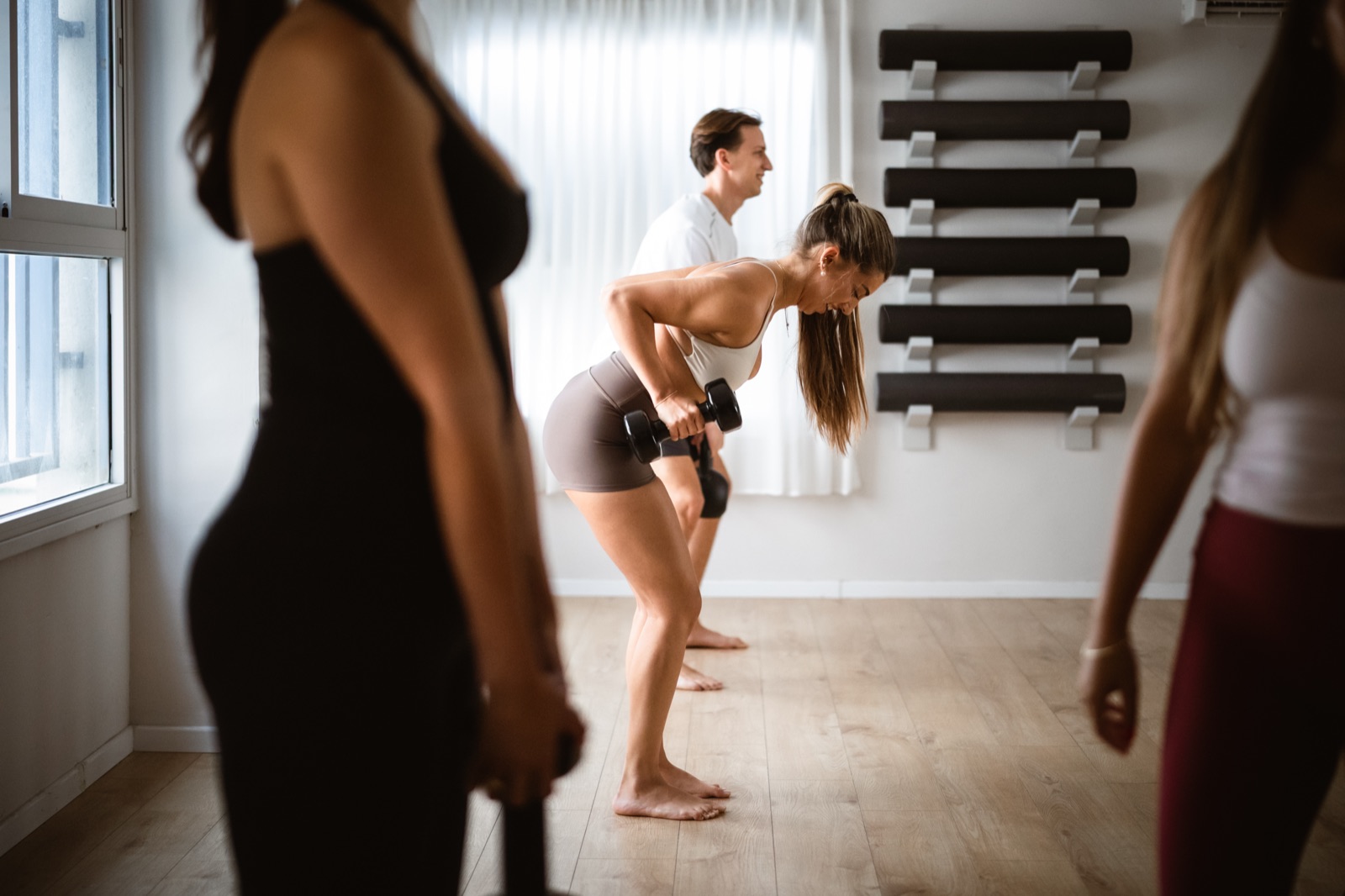
So how do you know it was a good workout?
Well, it depends on your goal.
In strength training: did you manage to lift more correctly, hold good technique or feel the muscle you wanted to work?
In Pilates or yoga: were you aware of your body? Did you manage to stabilise your pelvis? Keep your shoulders away from your ears? Maintain a neutral spine?
And day to day: do you feel more energetic? Stronger?
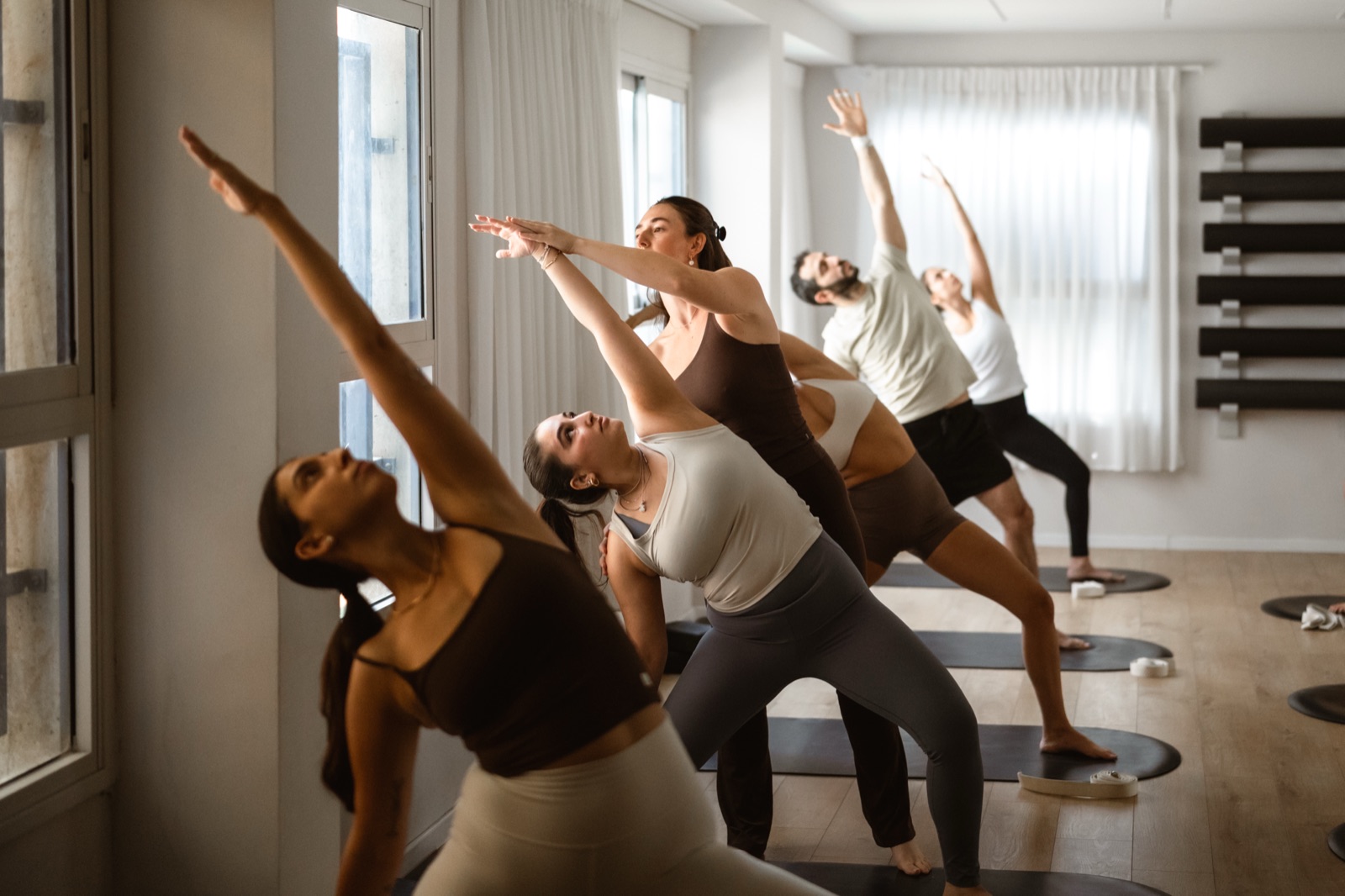
We don't train to destroy ourselves, or to tick off how many calories we burned. We train to have a strong, stable, functioning body – so we can get up off the floor easily, carry the shopping without wrecking our back, climb stairs without getting out of breath, and keep moving happily for many years to come.
So next time you leave a workout without a drop of sweat, give yourself a pat on the back. Sometimes the best workout isn't the one where we did the most, but the one where we were most precise.
More from the journal
· 3 min read
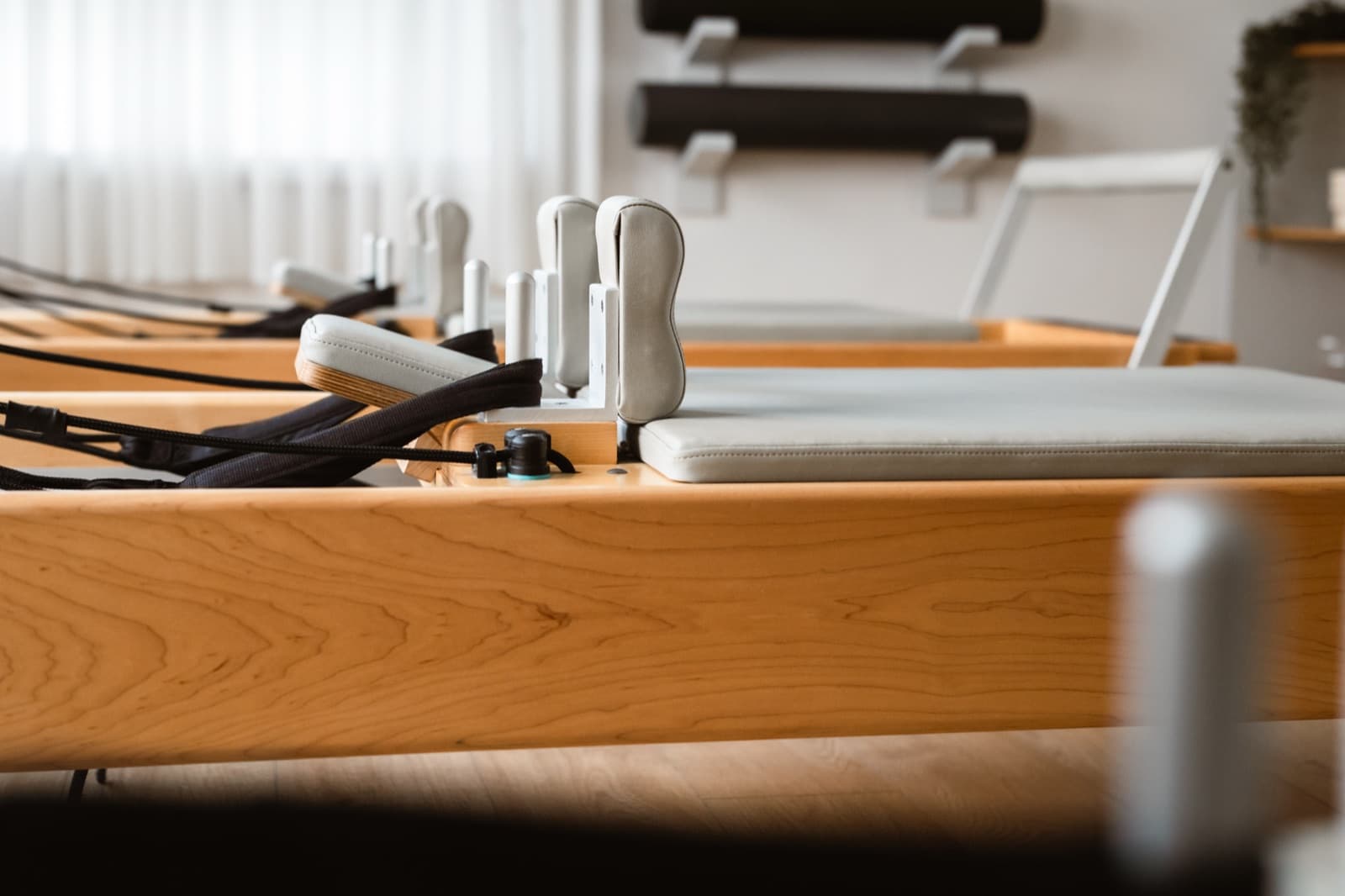
My doctor told me to start Pilates
The information in this post is based on my personal and professional experience and is not a substitute for medical, physiotherapy or any other professional advice. For any medical question or limitation, consult your doctor or treating professional.
· 2 min read
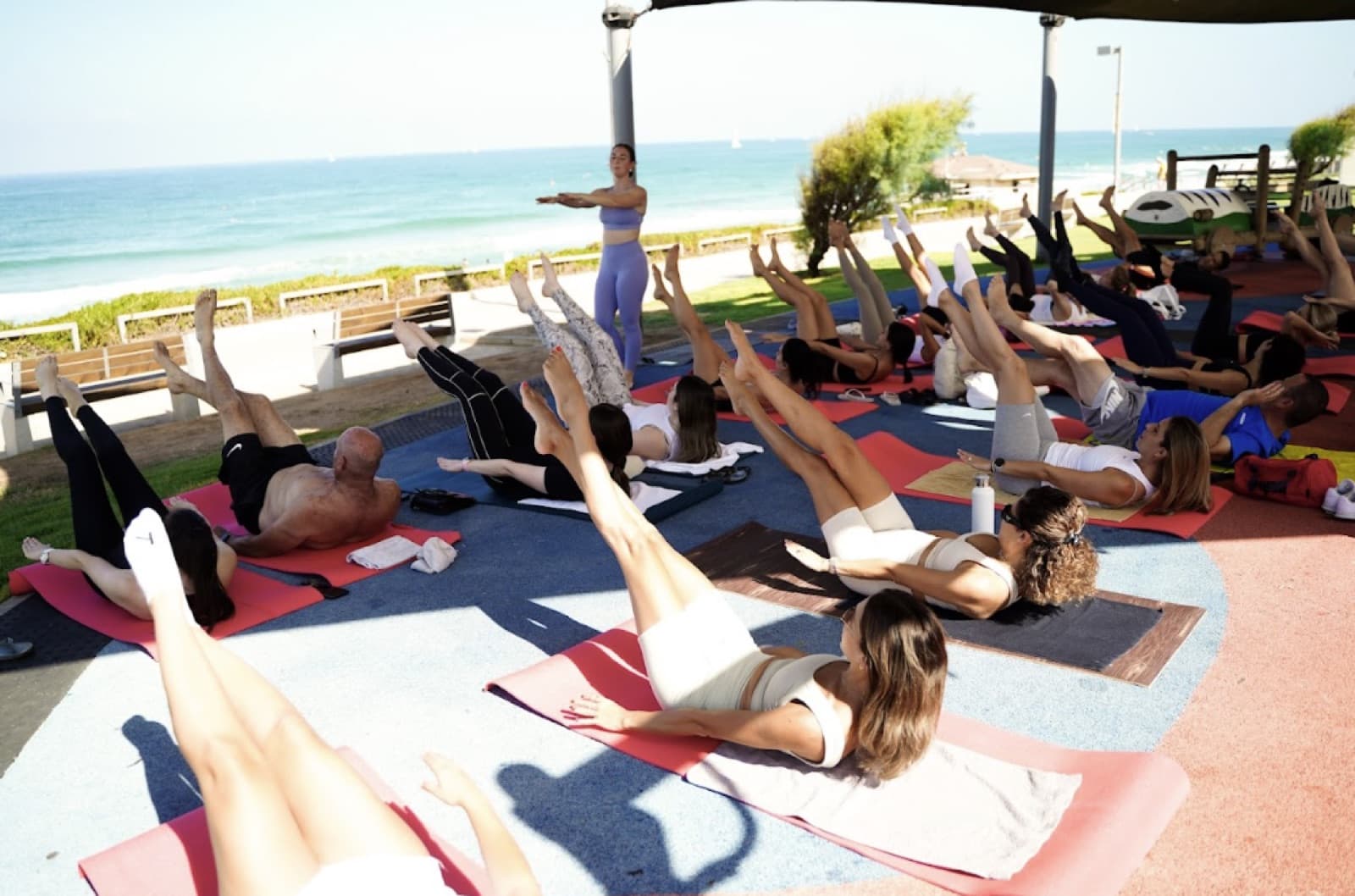
Family movement
The summer holidays bring plenty of challenges – routine, screen time and the endless search for something to do – but also a great opportunity: family quality time that doesn't have to mean screens or another trip to an air-conditioned mall with junk food.
· 2 min read
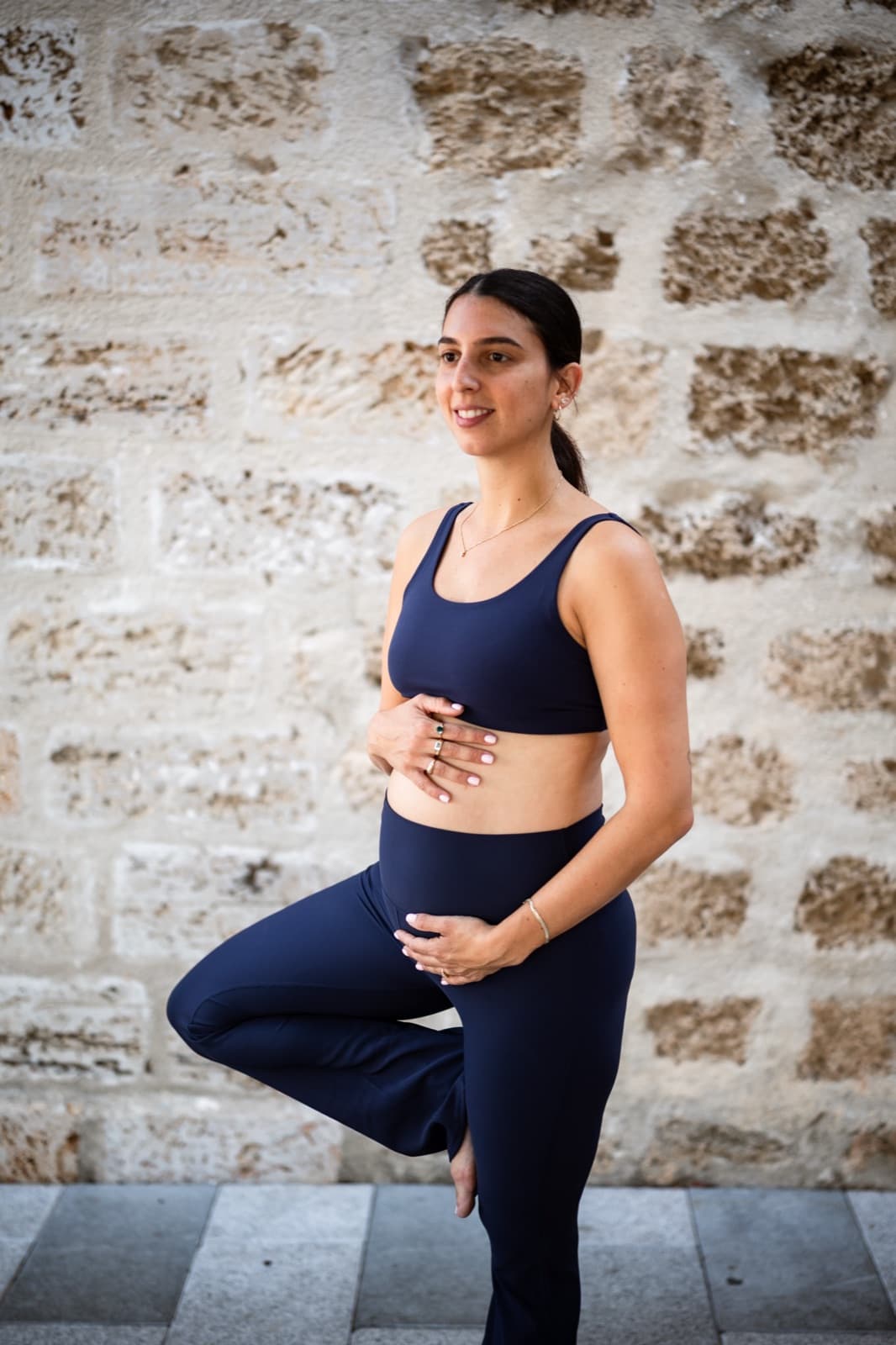
Moving for two: why movement in pregnancy and after birth is essential
Hi, Bar here – studio director, yoga and Pilates teacher, movement therapist, and now a mum to a baby of my own.