

When was the last time you noticed your breath? If you can't remember, you're not alone. We breathe more than 20,000 times a day, our whole lives, almost without thinking about it. But what happens to the body when our breathing changes?
For those who don't know me yet - I'm Nicole, a mat and apparatus Pilates instructor and a barre instructor at Movement since day one. Before that I was a dancer, and I actually came to Pilates after an injury. I stayed because I saw how much the right movement can heal. Today I'm also a second-year osteopathy student, and it was there, between anatomy classes, that I realised how much our breathing affects the whole body.
So what exactly is the diaphragm?
The diaphragm is a dome-shaped (or parachute-shaped) muscle that separates the chest from the abdomen. It is our main breathing muscle, responsible for 60%-80% of normal breathing.
As we inhale it descends and flattens, the ribcage expands and the belly fills. As we exhale it rises back into a dome and the ribs draw in. Interestingly, the diaphragm works at its most efficient when we're lying down.
But it's much more than a breathing muscle:
Intra-abdominal pressure - together with the deep abdominal muscles (Transversus abdominis) it creates the pressure that helps us cough, lift a weight and even give birth.
Posture - it's part of the core muscle system and helps keep the body upright and stable.
Preventing reflux - the oesophagus passes through an opening in the diaphragm, which wraps around it like a valve that keeps stomach acid from rising.
Moving blood and fluids - the aorta and the vena cava pass through the diaphragm, and with every breath its movement changes the pressure in the chest and abdomen, helping return blood and lymph to the heart.
Breathing and the nervous system
Notice how you breathe when you're stressed: fast, shallow, from the chest and shoulders. That's "fight or flight" breathing. When we're calm, the breath is slow and deep and drops into the belly, and the body shifts into "rest and digest".
And the most interesting part? This connection works the other way round too. Breathing is automatic, yet we can still control it. When we deliberately lengthen the exhale, we send the nervous system a message that it's safe to calm down.
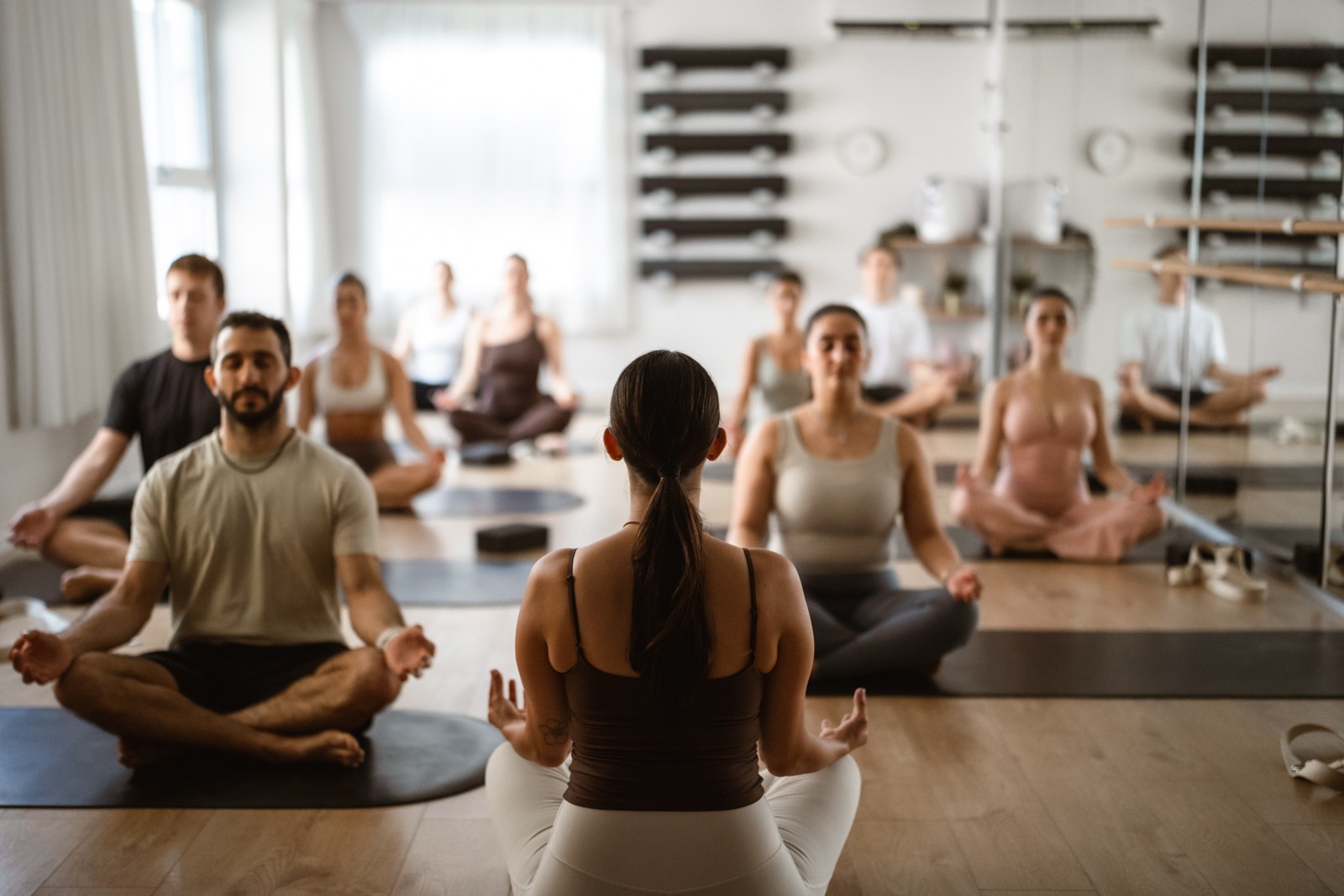
Joseph Pilates and the breath
Not everyone knows this, but Joseph Pilates, born in Germany in 1883, was a sickly child. He suffered from asthma, rickets and rheumatic fever, and he built his method, which he called Contrology, first of all to strengthen his own body.
So it's no wonder that breathing is one of the six principles of the method, alongside concentration, control, centering, precision and flow. In his book Return to Life (1945) he asked us to breathe fully and to imagine wringing the air out of the lungs the way you wring out a wet towel, so they can fill again with fresh air. He also recommended starting with 10 minutes of practice a day, without skipping.
Today we know there's no need to force the air out all the way - the goal is a full, comfortable breath. But his words still ring true: "Breathing is the first act of life, and the last".
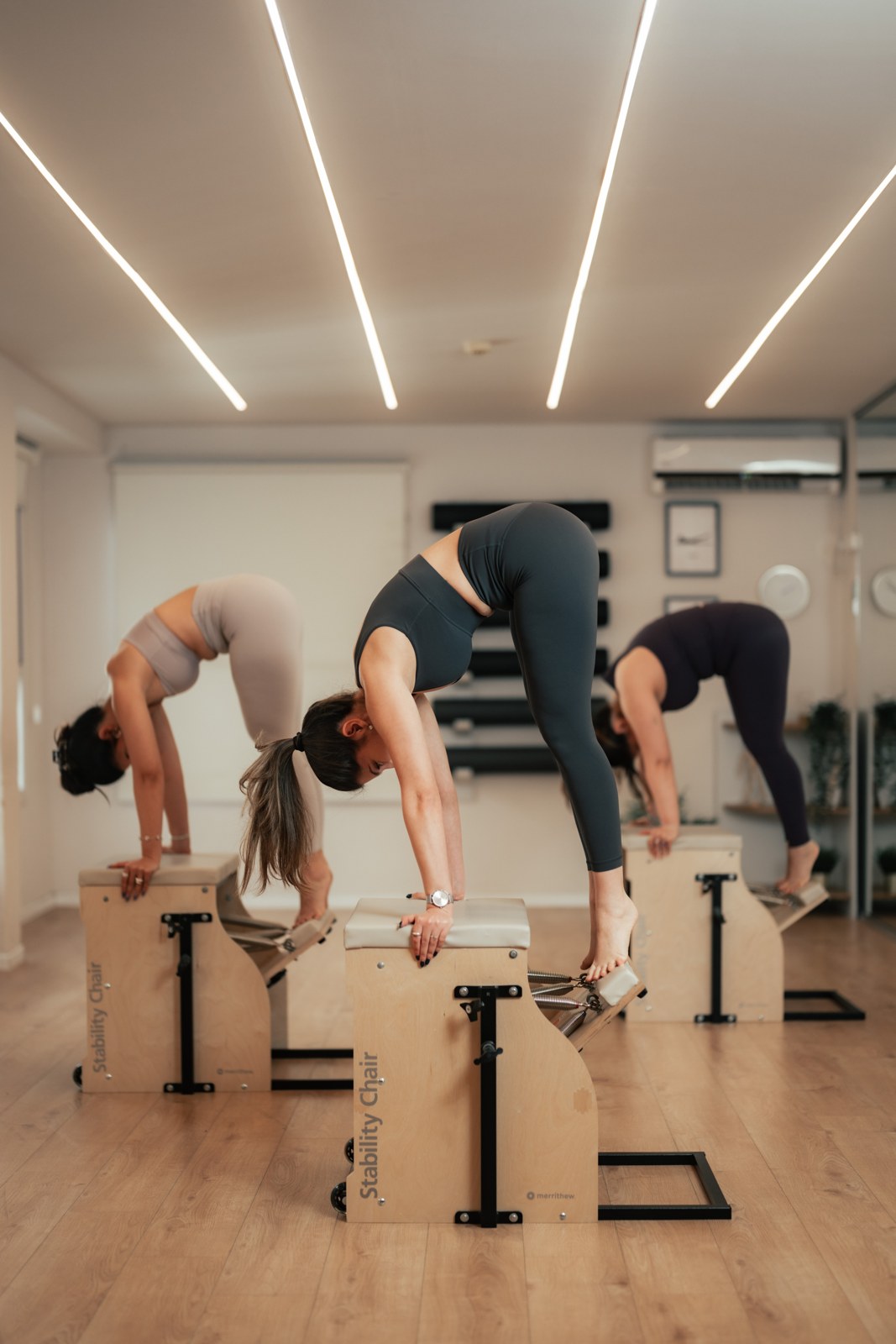
What osteopathy teaches me about the diaphragm
Osteopathy looks at the body as one network. Connective tissue, nerves and blood supply create chains that link areas that seem far apart, and the diaphragm sits right in the middle:
Lower back - the diaphragm attaches directly to the lumbar vertebrae, and through tendons to the Psoas and Quadratus lumborum. When it doesn't work as it should, it can contribute to general back pain.
Neck and shoulders - the diaphragm's nerve (the Phrenic nerve) comes from the C3-C5 vertebrae in the neck and overlaps with the nerves of the Brachial plexus, which controls movement in the shoulder and arm. That's why a restriction in the diaphragm can show up as neck and shoulder pain.
Hip joint - after hours of sitting the psoas shortens, and it affects the diaphragm it's connected to.
Heart and lungs - the heart and lungs sit right on top of the diaphragm and are connected to it by connective tissue. When it doesn't work as it should, it can affect the pressure in the chest, blood flow to the heart and the oxygen supply to the lungs.
Pelvic floor - the diaphragm and the pelvic floor move together, like the lid and the base of the core. That's why during pregnancy and after birth, we bring back the breath first and only then the effort.
It's important for me to stress: if you suffer from any of these pains, it doesn't necessarily come from the diaphragm. First rule out a medical problem with a doctor, and only then look at the breath as well.
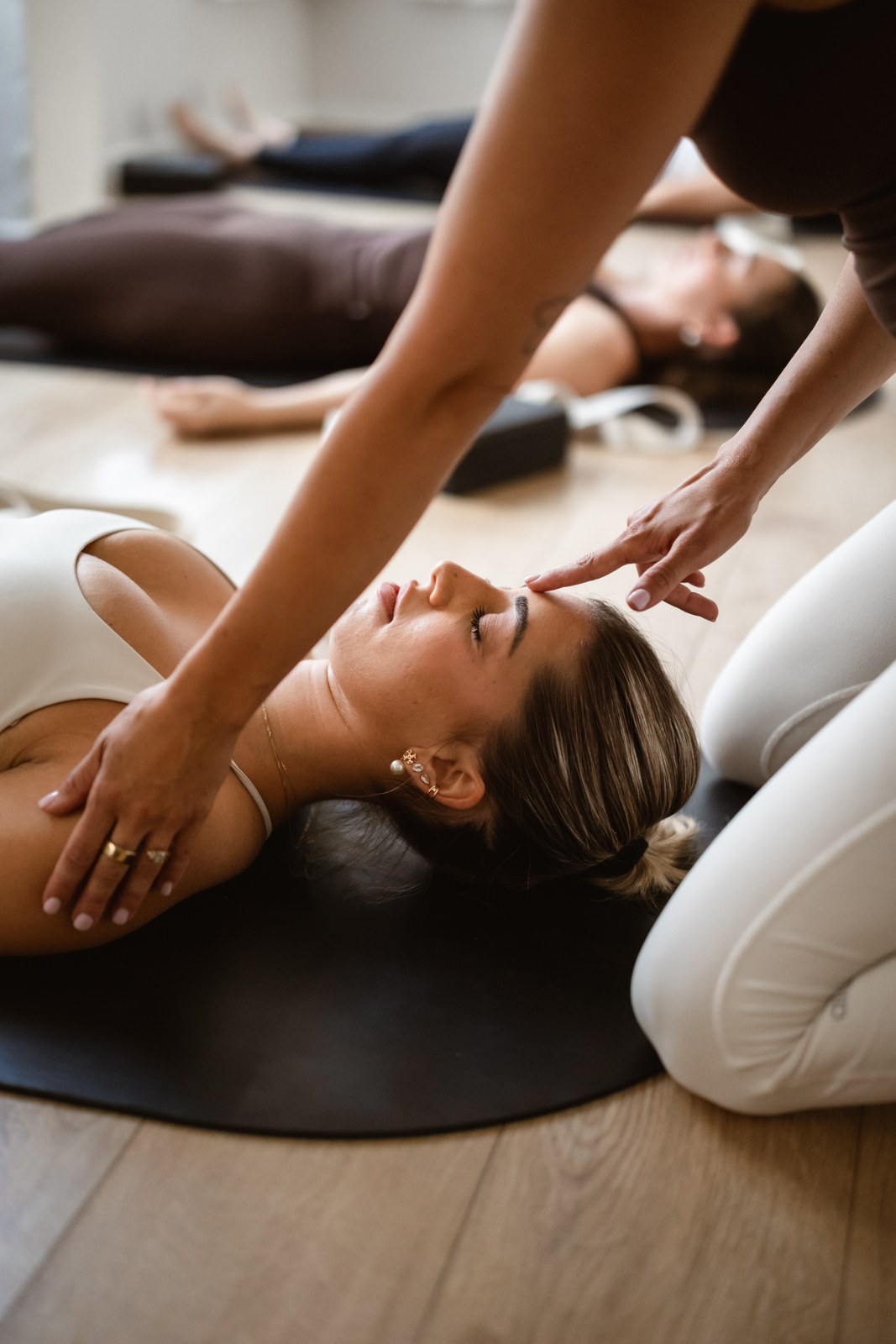
5 minutes a day
The best way to get to know your diaphragm is simply to breathe with it:
Lie on your back with your knees bent.
Place one hand on your chest and one on your belly.
Inhale through the nose for 4 counts, and feel the hand on your belly rise.
Exhale slowly for 6 counts.
Continue for 5 minutes, at a comfortable pace.
Once it starts to feel natural, try it sitting and standing too, and notice during the day when your breath escapes to your chest and shoulders. And if you feel discomfort or dizziness, stop and return to normal breathing.
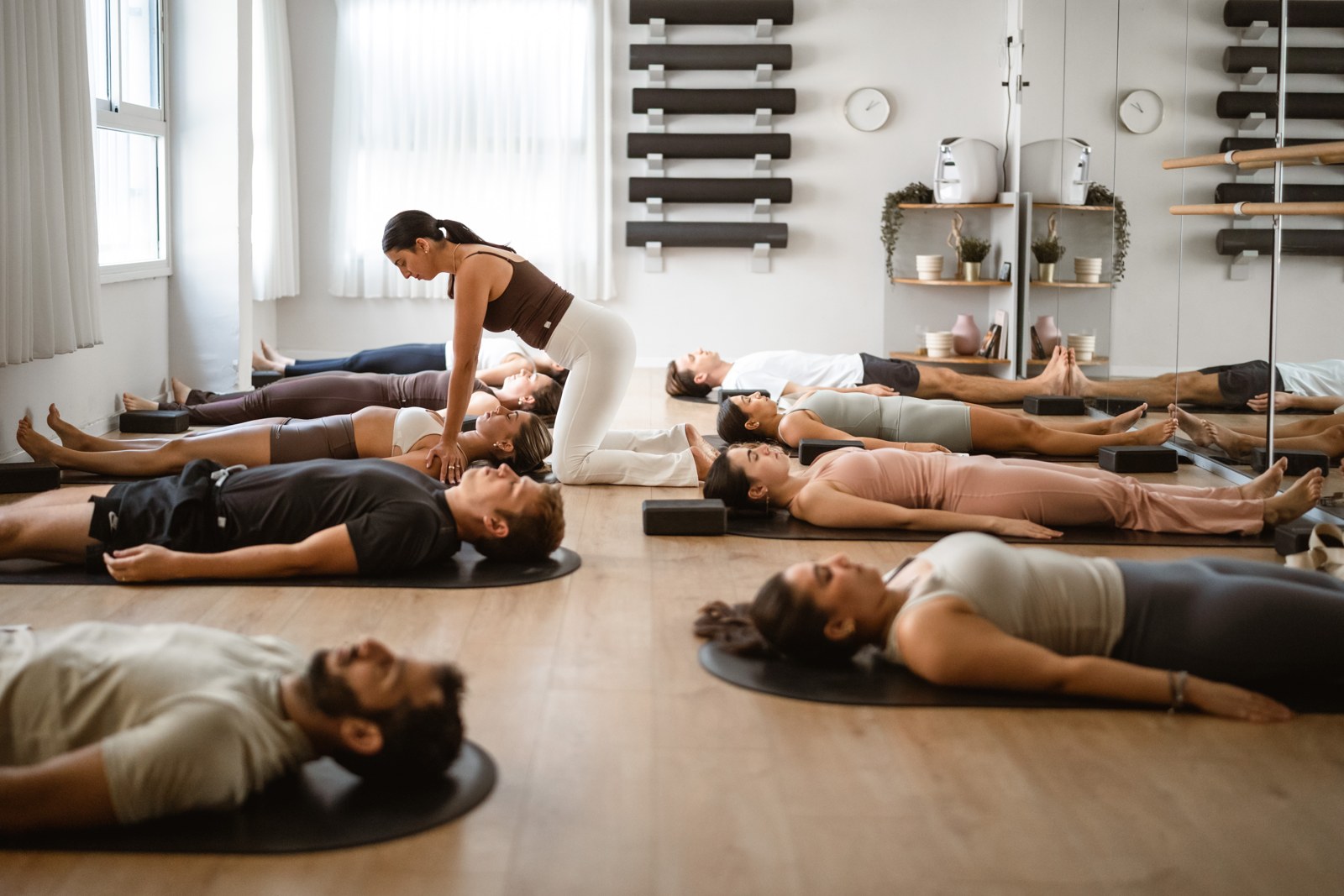
Joseph Pilates recommended 10 minutes a day - I suggest starting with 5. And in your next class at the studio, try to notice: where are you breathing?
More from the journal
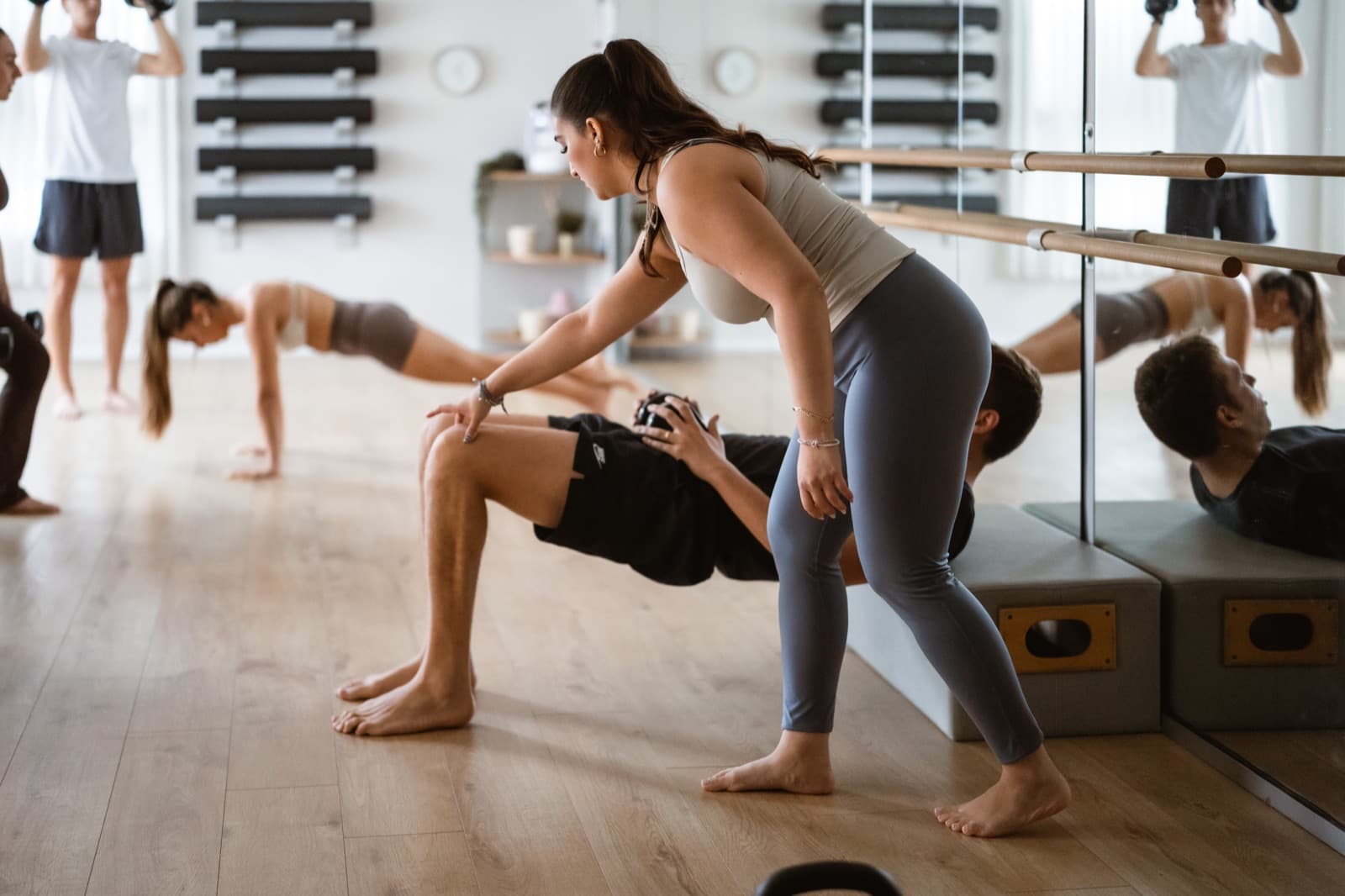
· 2 min read
If I didn't sweat, does it still count as a workout?
You know that moment when you leave the studio, look in the mirror and suddenly think:
· 3 min read
My doctor told me to start Pilates
The information in this post is based on my personal and professional experience and is not a substitute for medical, physiotherapy or any other professional advice. For any medical question or limitation, consult your doctor or treating professional.
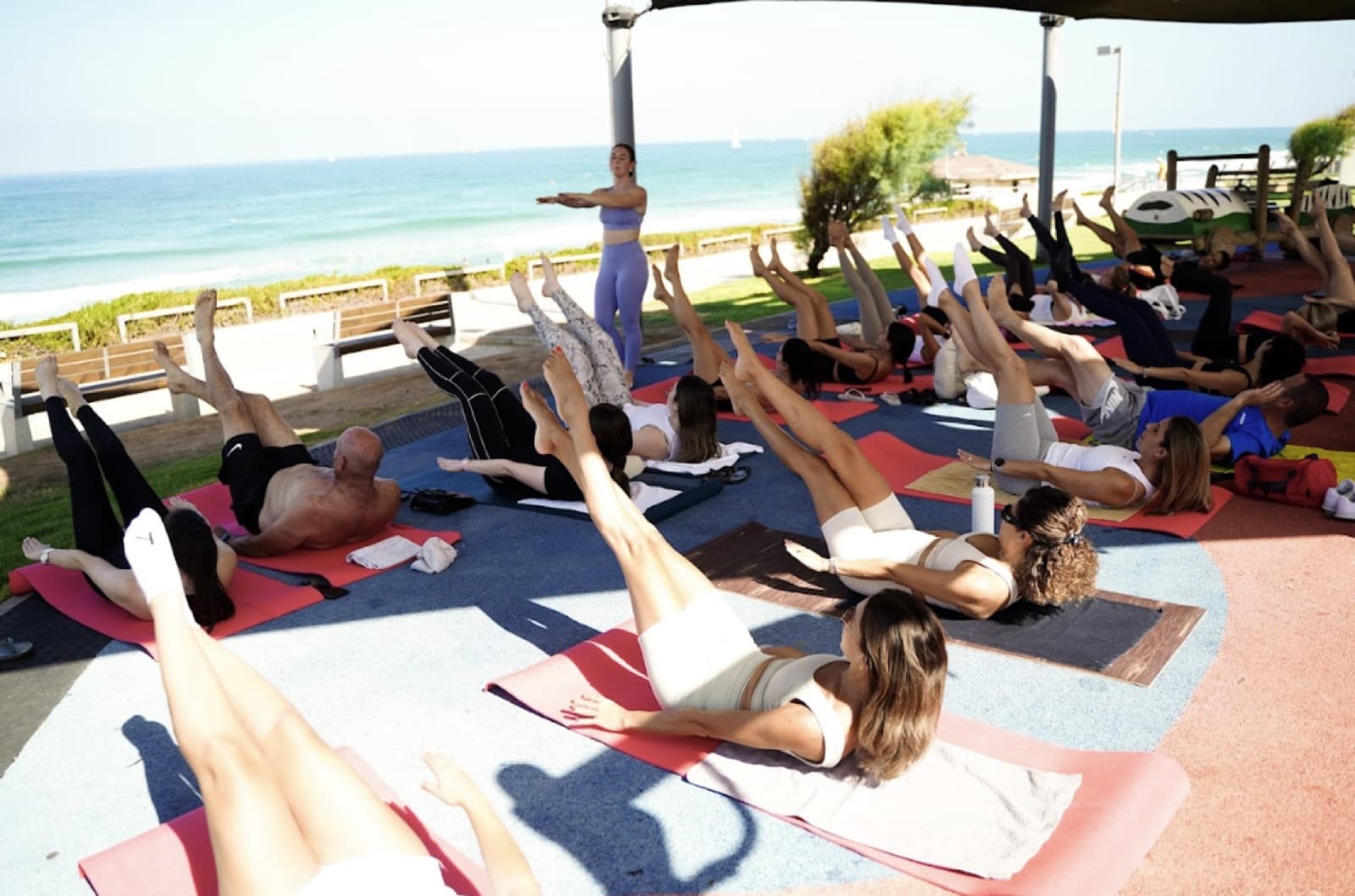
· 2 min read
Family movement
The summer holidays bring plenty of challenges – routine, screen time and the endless search for something to do – but also a great opportunity: family quality time that doesn't have to mean screens or another trip to an air-conditioned mall with junk food.