
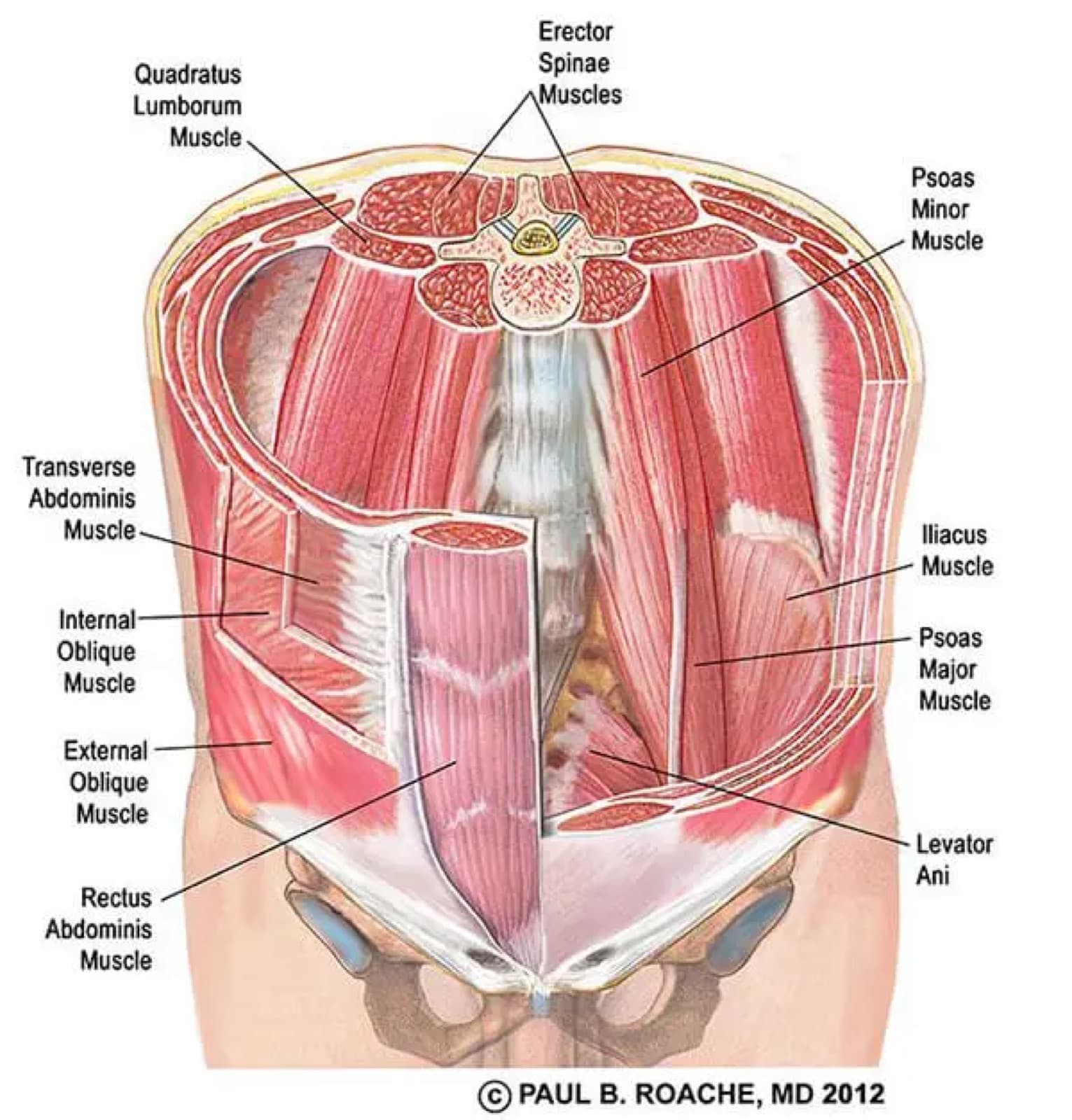
Most people think of balance as something "simple": standing on one leg, not falling, maybe managing a challenging Pilates or yoga exercise without wobbling. In fact, balance is a complex, intelligent relationship involving the nervous system, vision, the balance system in the inner ear, the deep muscles… and yes, the pelvic floor too.
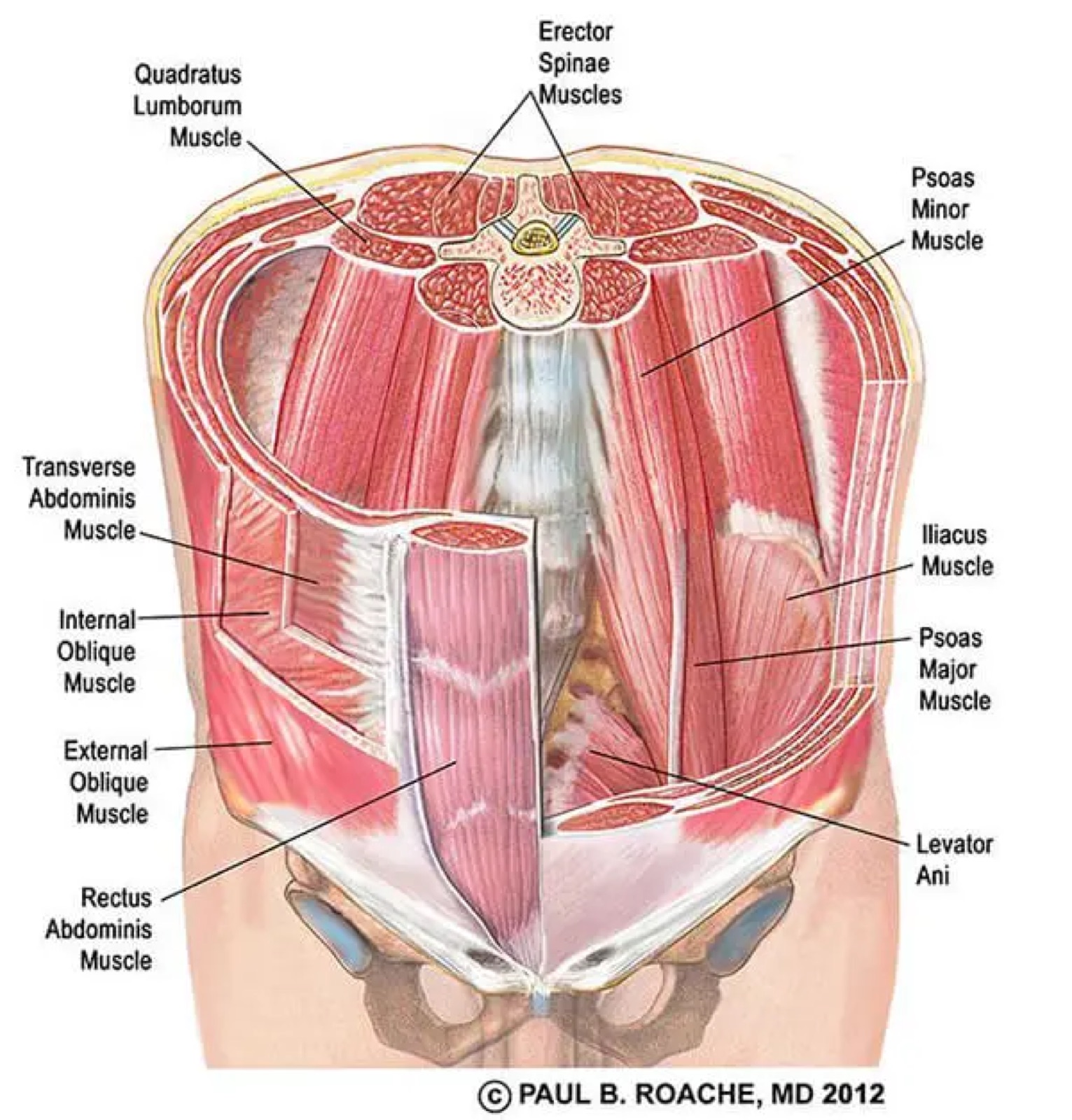
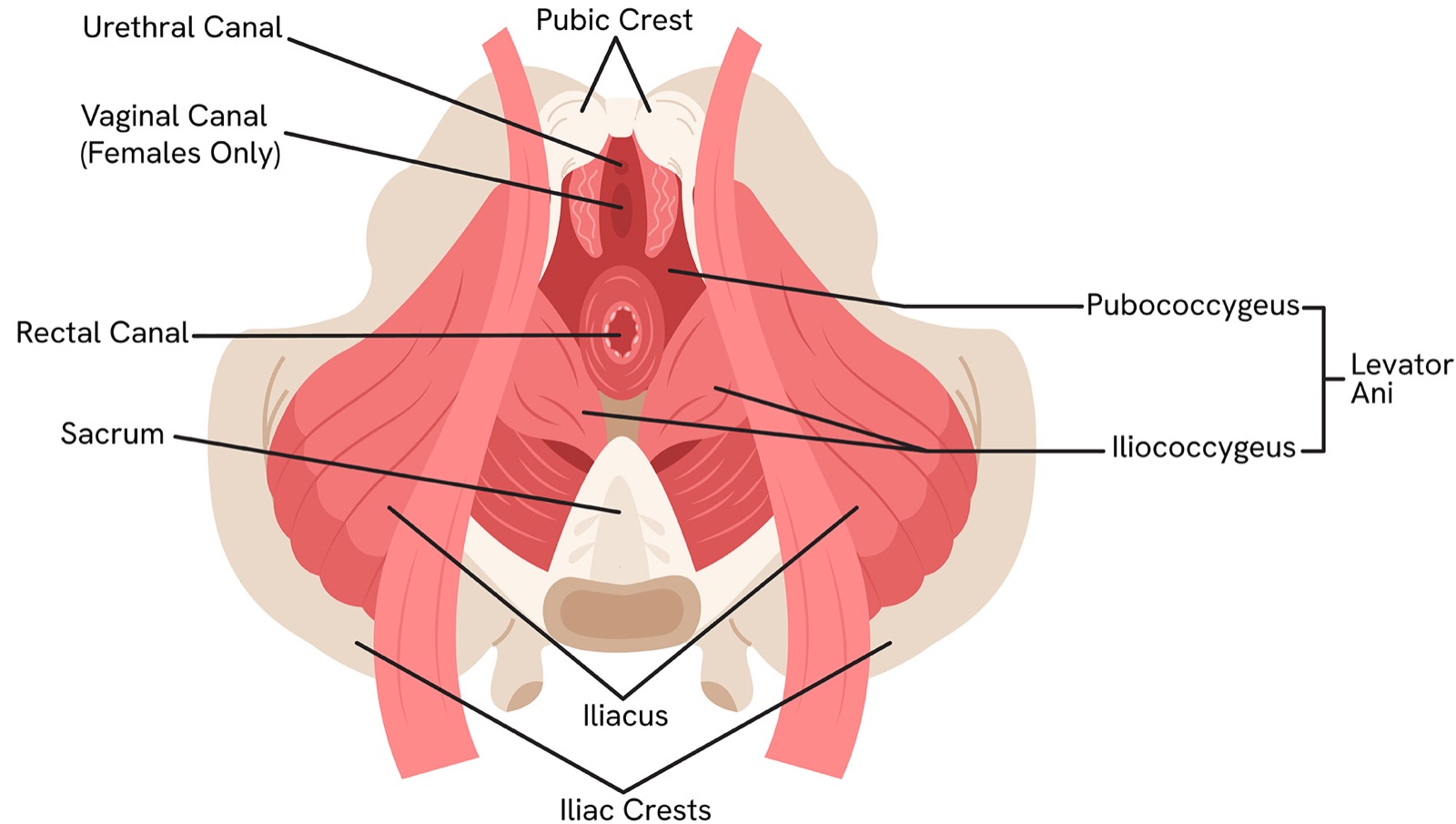
We all know the pelvic floor as "something you talk about after giving birth", or as something that only belongs to women. But the pelvic floor is an integral part of what's called the core system, together with the diaphragm, the transversus abdominis and the deep back muscles. It's a system responsible for stability, transferring loads, regulating pressure and a sense of security in the body.
To keep its balance, the body needs to know where it is in space and react quickly to changes. This is where proprioception comes in – the body's ability to sense itself. The pelvic floor is rich in sensory receptors and gives the nervous system critical information about the centre of the body.
When the pelvic floor is too weak, or held too tightly, or not timed with the breath and abdomen at all, stability suffers. Sometimes this shows up as feeling unsteady when standing, wobbling, back or neck pain, and sometimes simply as a general sense of being "disconnected from the body".
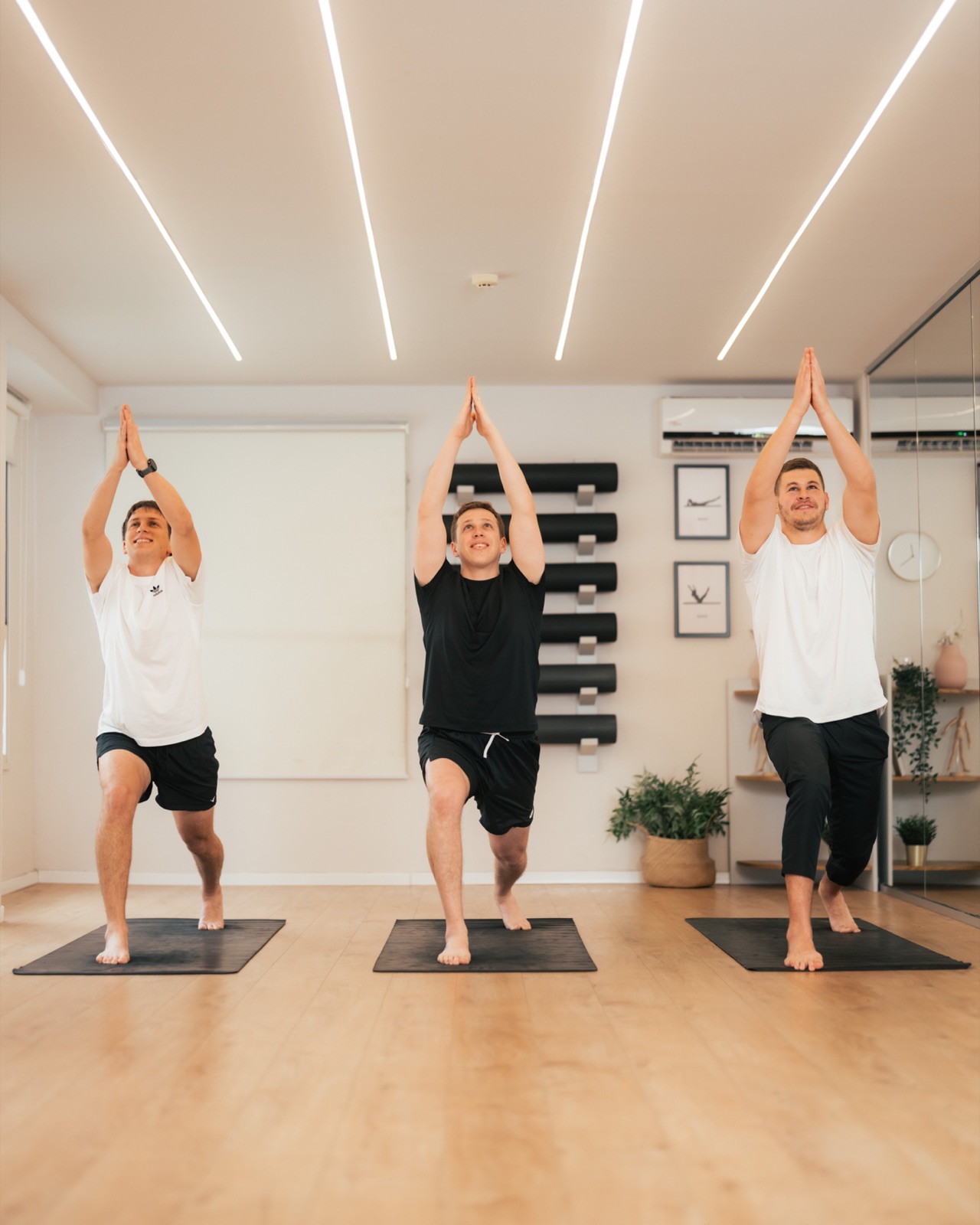
One of the most common misconceptions I meet at the studio is that strengthening the pelvic floor means "just squeezing". But a strong muscle is one that knows how to contract, release, and respond at the right time.
The pelvic floor needs to work in sync with the breath:
On the inhale: it widens and gently descends
On the exhale: it gathers, supports and lifts
When that happens, a stable base forms that lets the body move above it – just like the foundations of a building. Without it, balance takes effort. With it, balance happens almost by itself.
Working on balance together with pelvic floor strengthening is relevant for everyone!
Women after giving birth – but also long before
Men who train, run, or sit for hours at a computer
Young clients who feel strong but not always stable
Older people who are starting to worry about falling
Teachers, instructors, athletes – anyone who needs precision and control
Why does this matter so much to me as a movement teacher?
Because when balance improves, something deep calms down. The body is less tense, the breath expands and your confidence in performing the exercise grows. Exercises that once felt "hard" become clear and precise. And it's not about "bulking up" muscles at all, but about synchronising every part of the system. The pelvic floor shouldn't be something we're afraid of or embarrassed about. It's a natural, intelligent and sensitive part of our body. When we give it a place in our practice, balance is just one of the things we gain.
3 ways to practise pelvic floor strengthening
Stand on one leg while brushing your teeth – standing like this recruits the core muscles!
Pick something up from the floor in a squat (like sitting back) – to stabilise ourselves, the body uses the core muscles, including the pelvic floor.
Walk mindfully – emphasise your steps and walk steady, tall and "gathered". Mindful walking (not the kind done without thinking) also engages the core and pelvic floor.
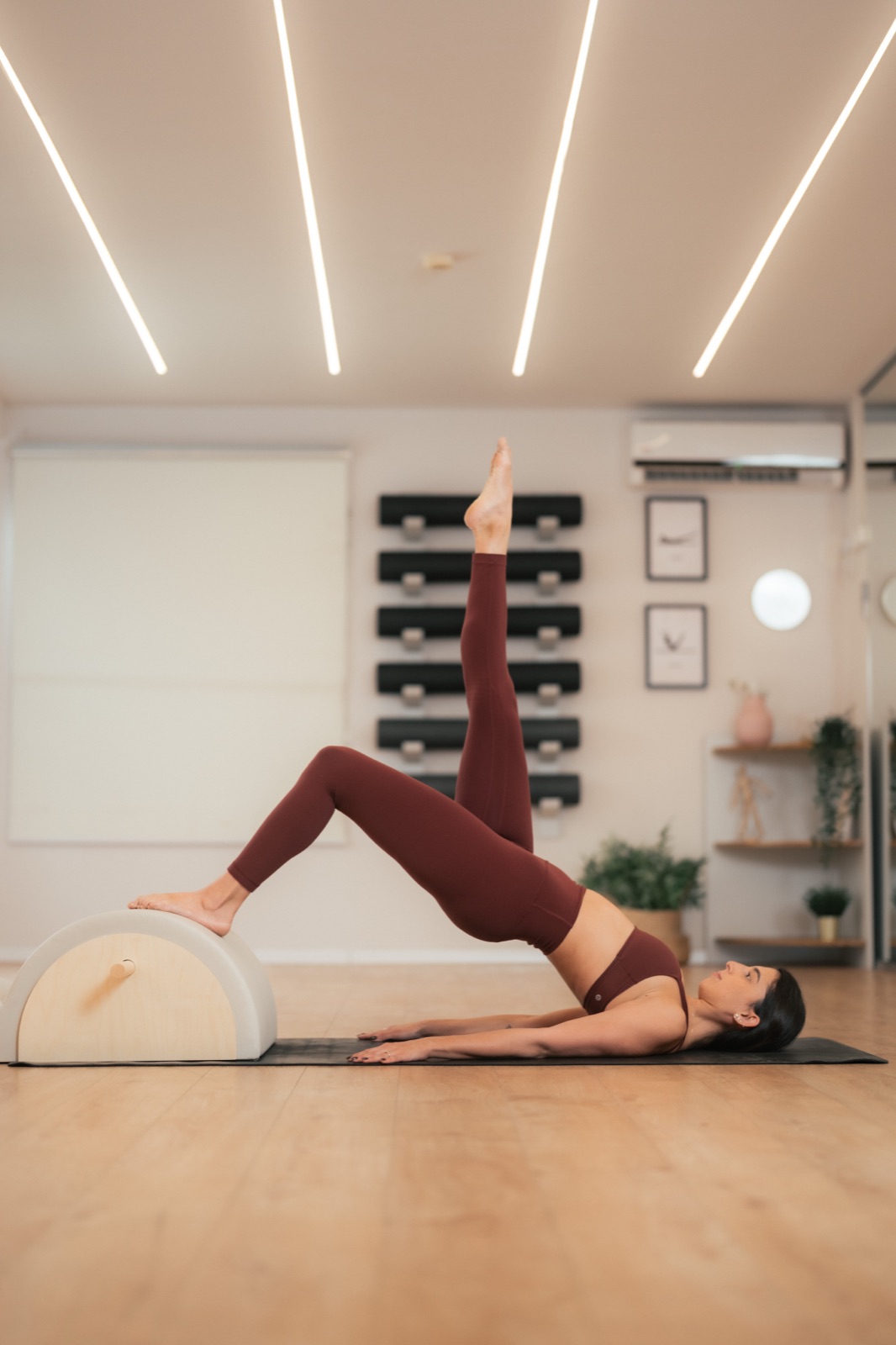
Balance is the body's ability to navigate confidently through space, and the pelvic floor is one of the main tools that lets it do so. When they work together in harmony, our movement becomes precise and flowing, and gives a sense of stability and inner confidence that affects every moment of the day.
More from the journal
· 2 min read
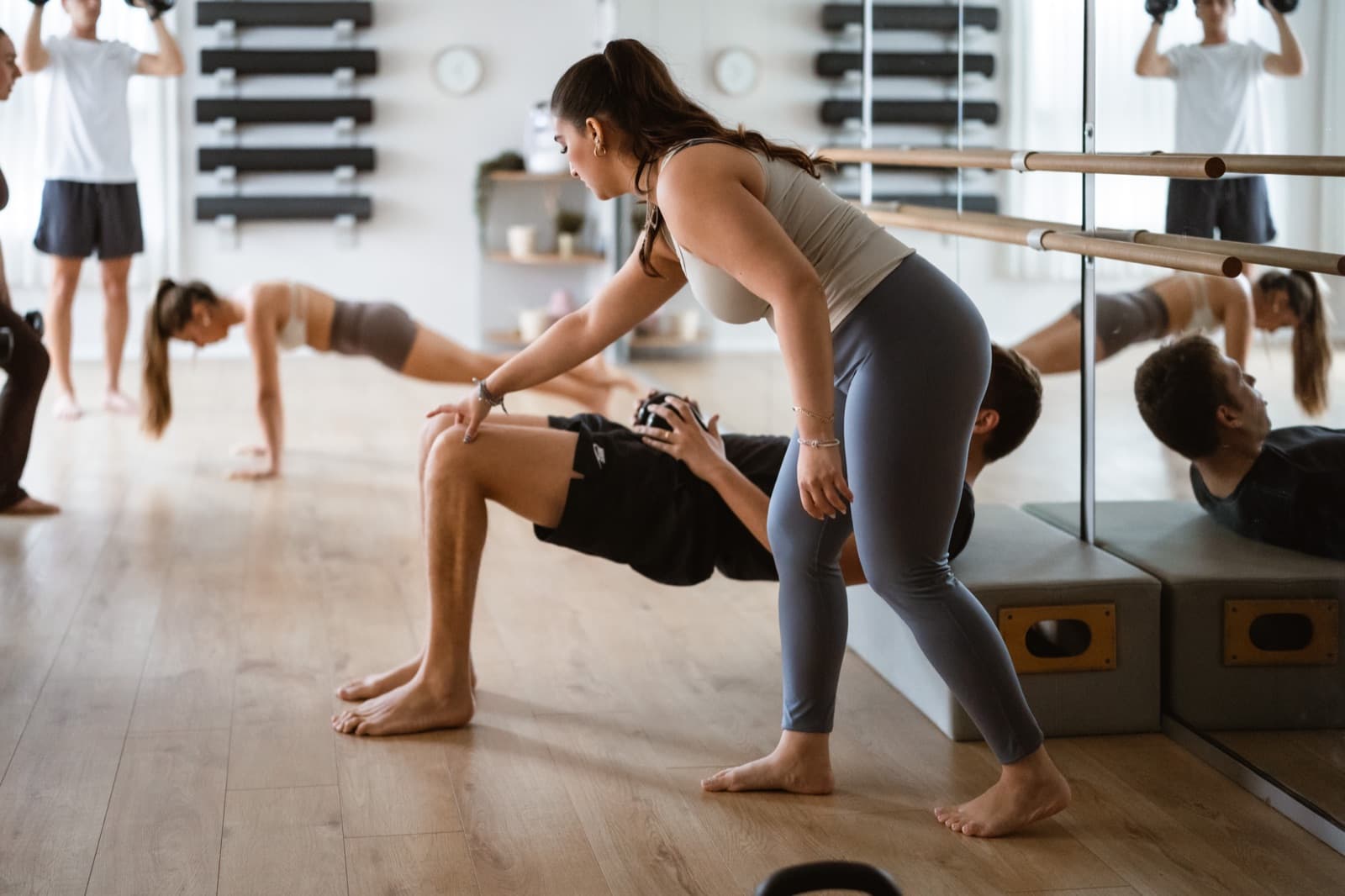
If I didn't sweat, does it still count as a workout?
You know that moment when you leave the studio, look in the mirror and suddenly think:
· 3 min read
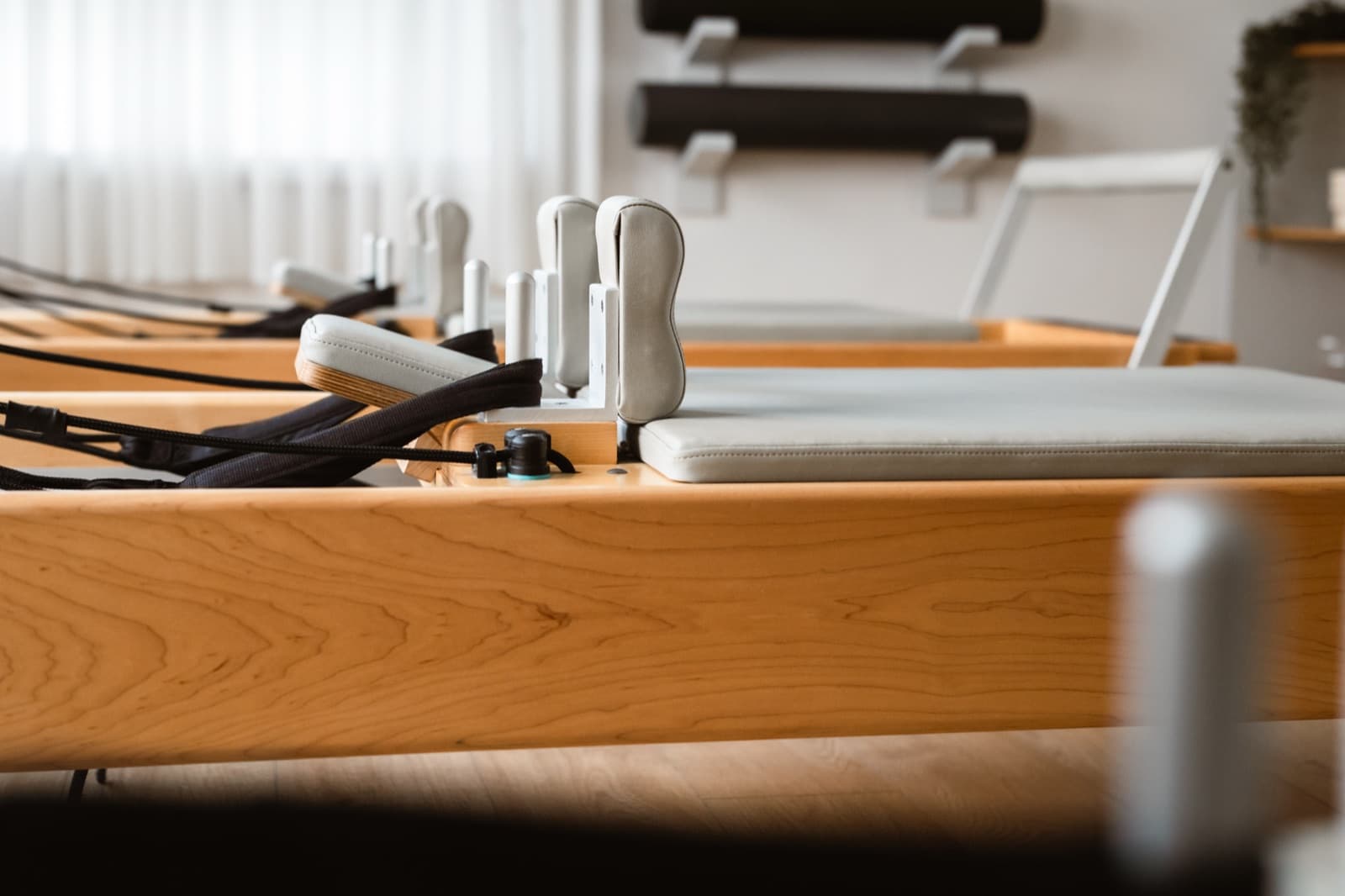
My doctor told me to start Pilates
The information in this post is based on my personal and professional experience and is not a substitute for medical, physiotherapy or any other professional advice. For any medical question or limitation, consult your doctor or treating professional.
· 2 min read
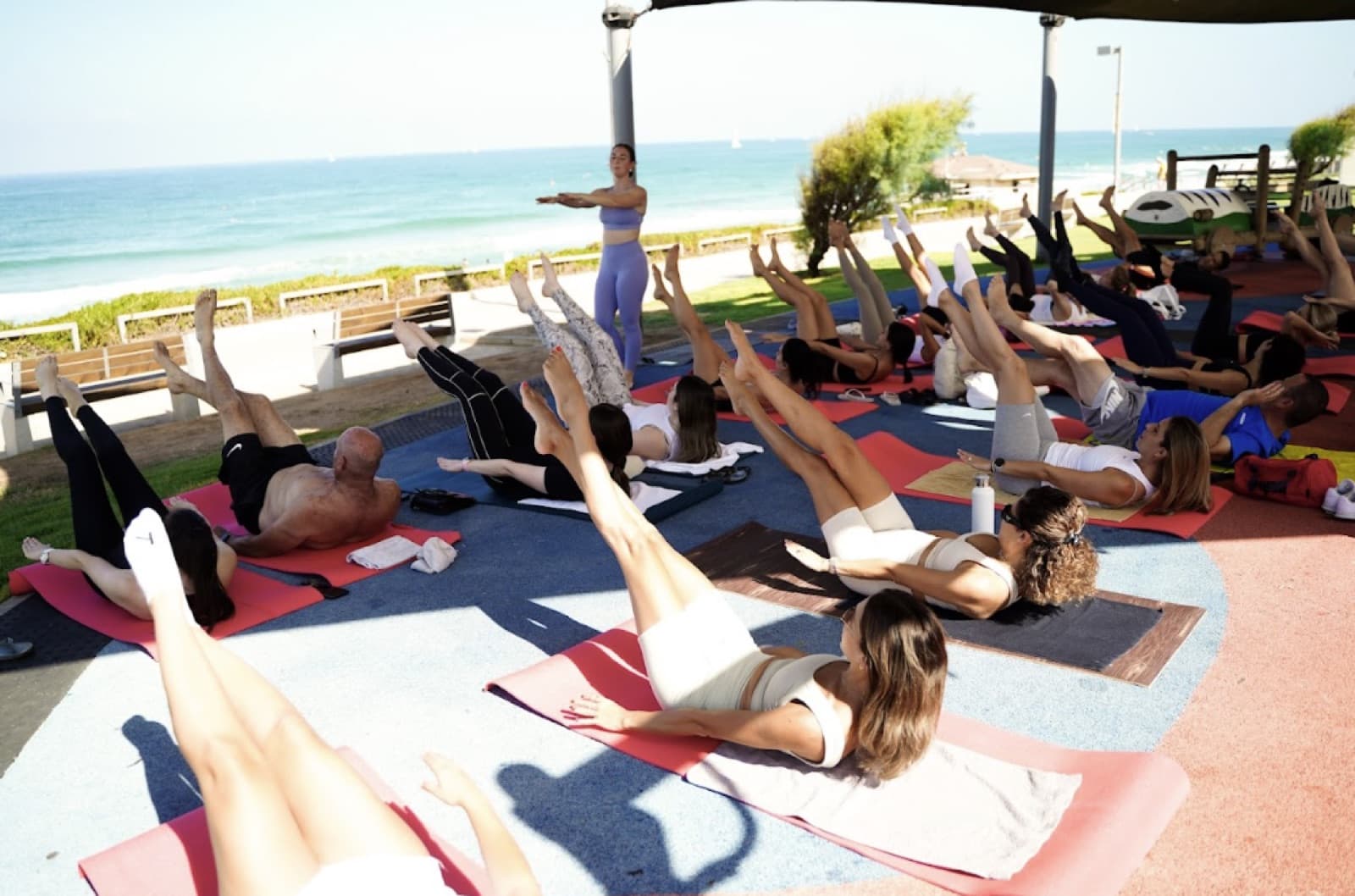
Family movement
The summer holidays bring plenty of challenges – routine, screen time and the endless search for something to do – but also a great opportunity: family quality time that doesn't have to mean screens or another trip to an air-conditioned mall with junk food.