
Injuries and movement: adapting your training to ease chronic pain
By Bar Berman · · 3 min read
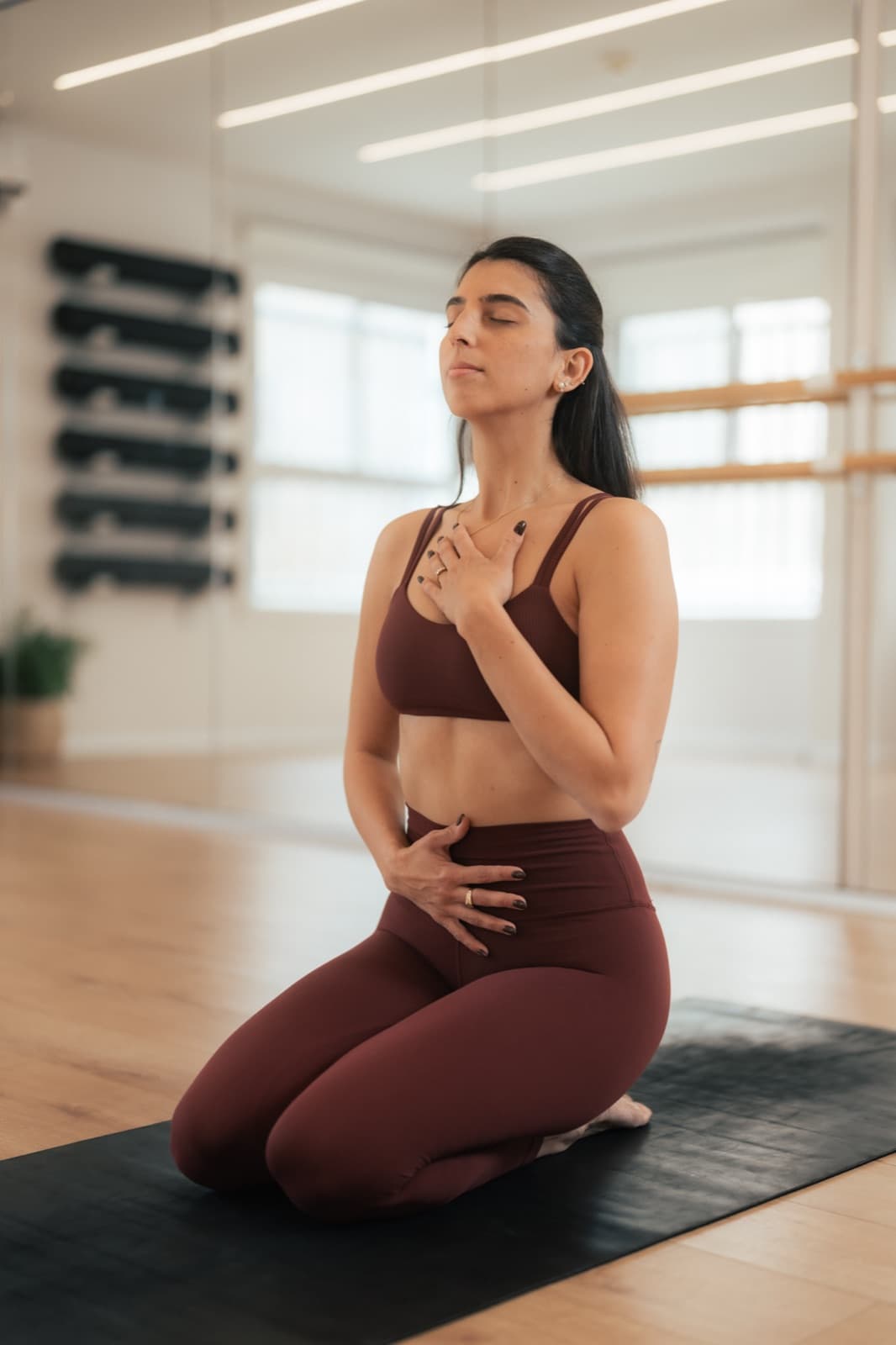
Chronic pain is a common condition that challenges not only the body but the mind. It can come from many causes – an injury, long hours of sitting, poor posture, excessive physical load leading to bulging or herniated discs, or hormonal changes. Beyond the physical discomfort, chronic pain can cause frustration, mental fatigue and even a drop in motivation. The good news is that adapted movement, built around your personal needs and limits, can be a powerful tool – not only for easing pain, but for significantly improving quality of life. The right practice helps strengthen the body, improve range of motion, reduce mental stress and release endorphins that bring calm and joy.
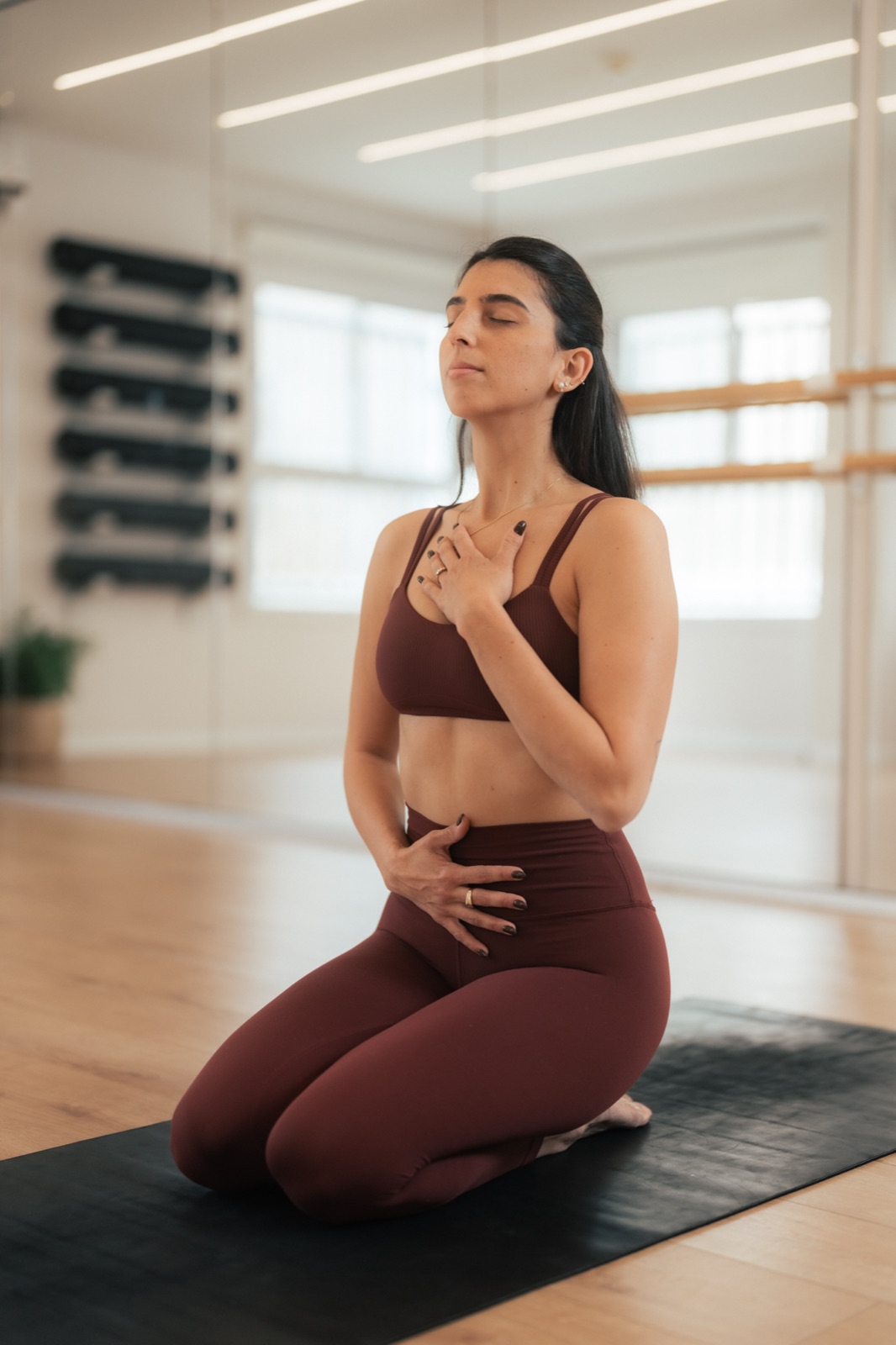
How can movement help?
Movement helps reduce chronic pain through several mechanisms:
Better blood flow: gentle movement increases blood flow to the painful area, bringing oxygen and nutrients to the injured tissues and supporting healing.
Stronger muscles and supported joints: strengthening the muscles around the joints reduces the load on them and protects them from further injury.
Releasing tension: the right practice can release muscle tension, especially in the neck and back, and reduce physical and mental load.
Endorphins: exercise makes the body release endorphins – the "happy hormones" that act as natural painkillers.
Back and neck pain
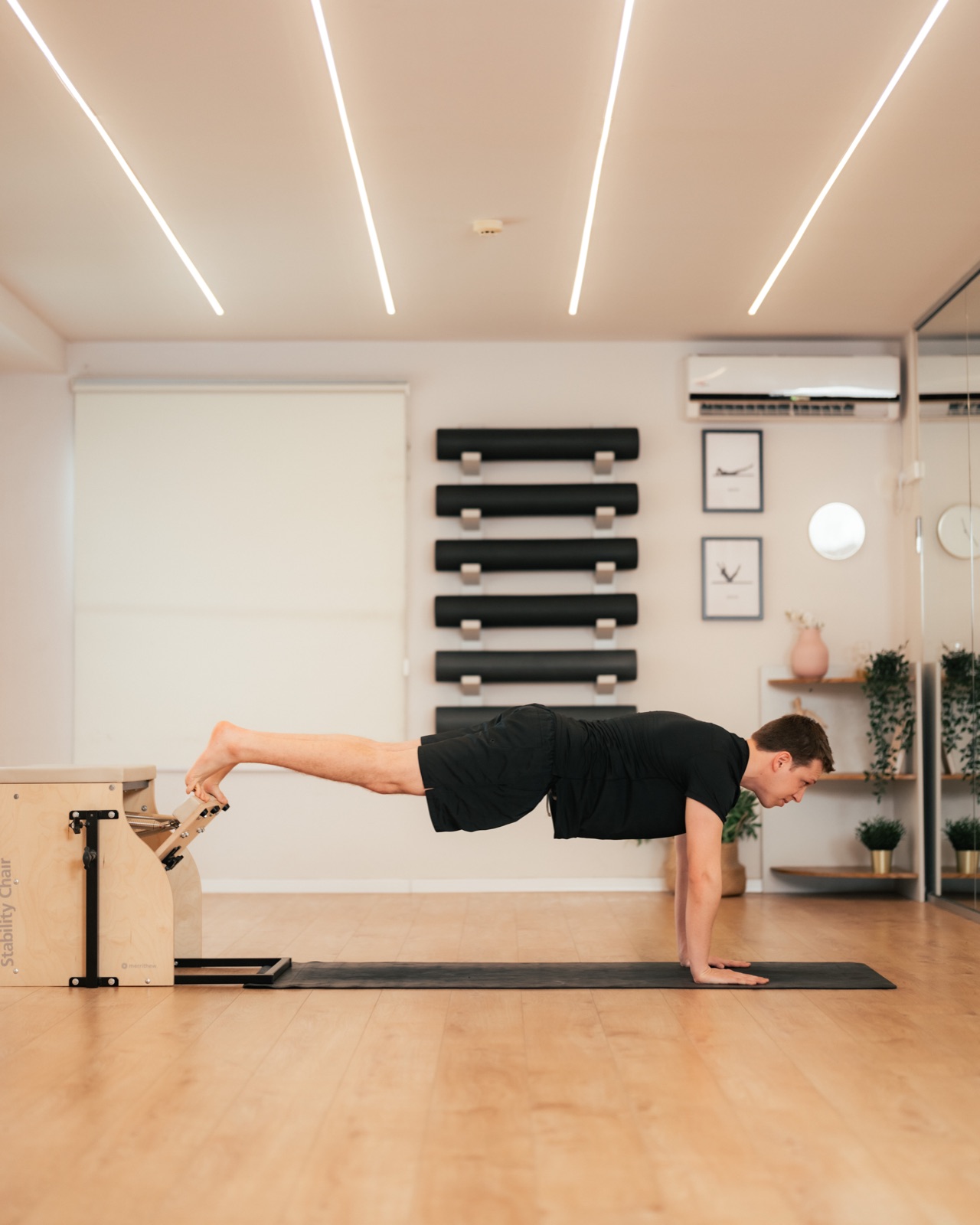
Pain in these areas can be caused by long hours of sitting, poor posture or overload. Exercises that strengthen the core, improve posture and release tension are essential:
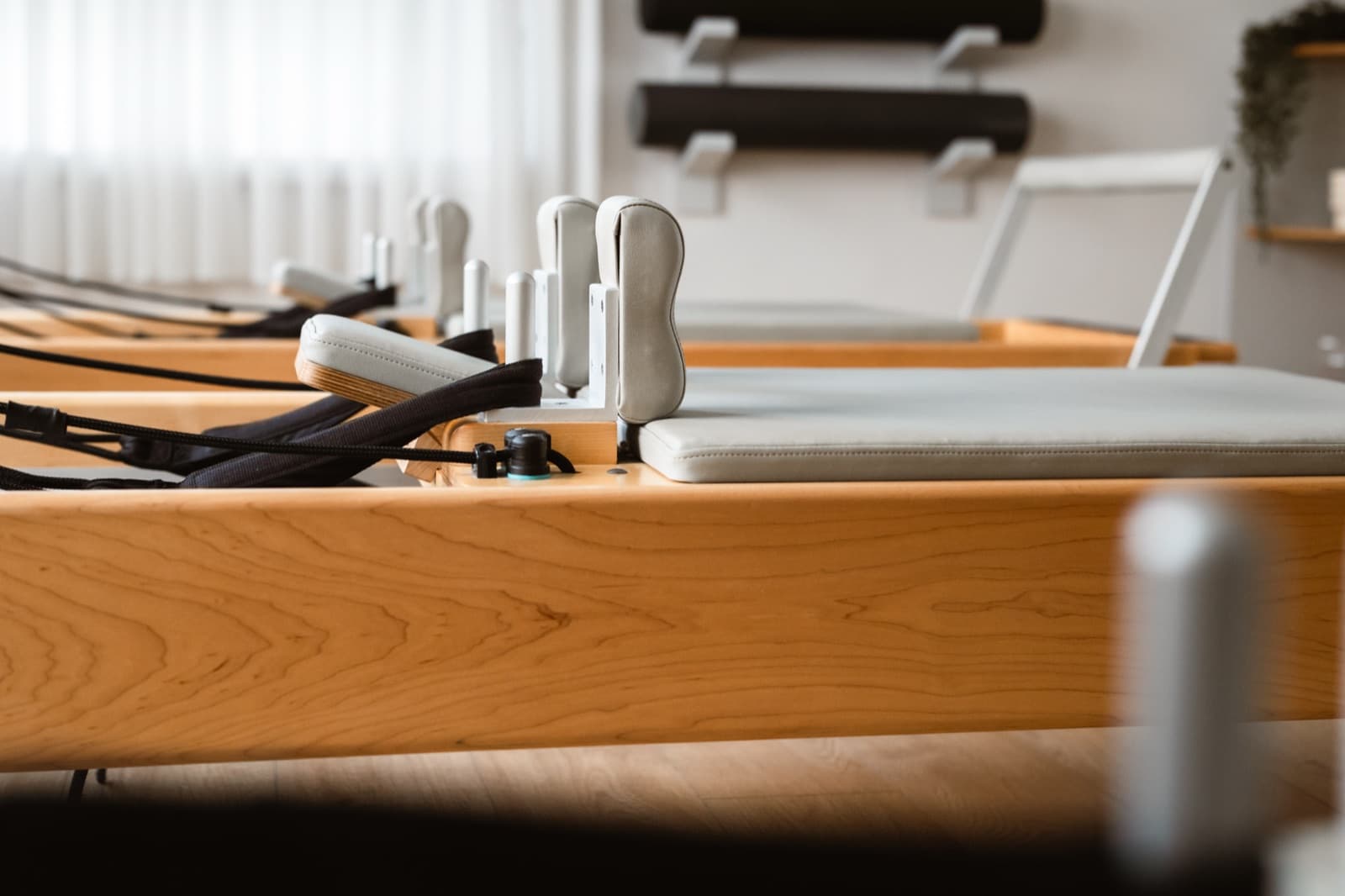
Core strengthening: exercises like the plank, or reformer Pilates, can help strengthen the muscles that support the back.
Neck release: gentle movements such as head circles and neck stretches can reduce tension in this area.
Yoga poses: "downward-facing dog" strengthens and lengthens the muscles of the back and shoulders.
Knee pain
Knee pain can come from muscle imbalance, load on the joints or past injuries. Focus on exercises that strengthen the muscles around the knee, such as the quadriceps and hamstrings:
Adapted squats: using a chair for support, to avoid unnecessary pressure on the knee.
Reformer Pilates: working with springs on the reformer can gently strengthen the muscles that support the knee.
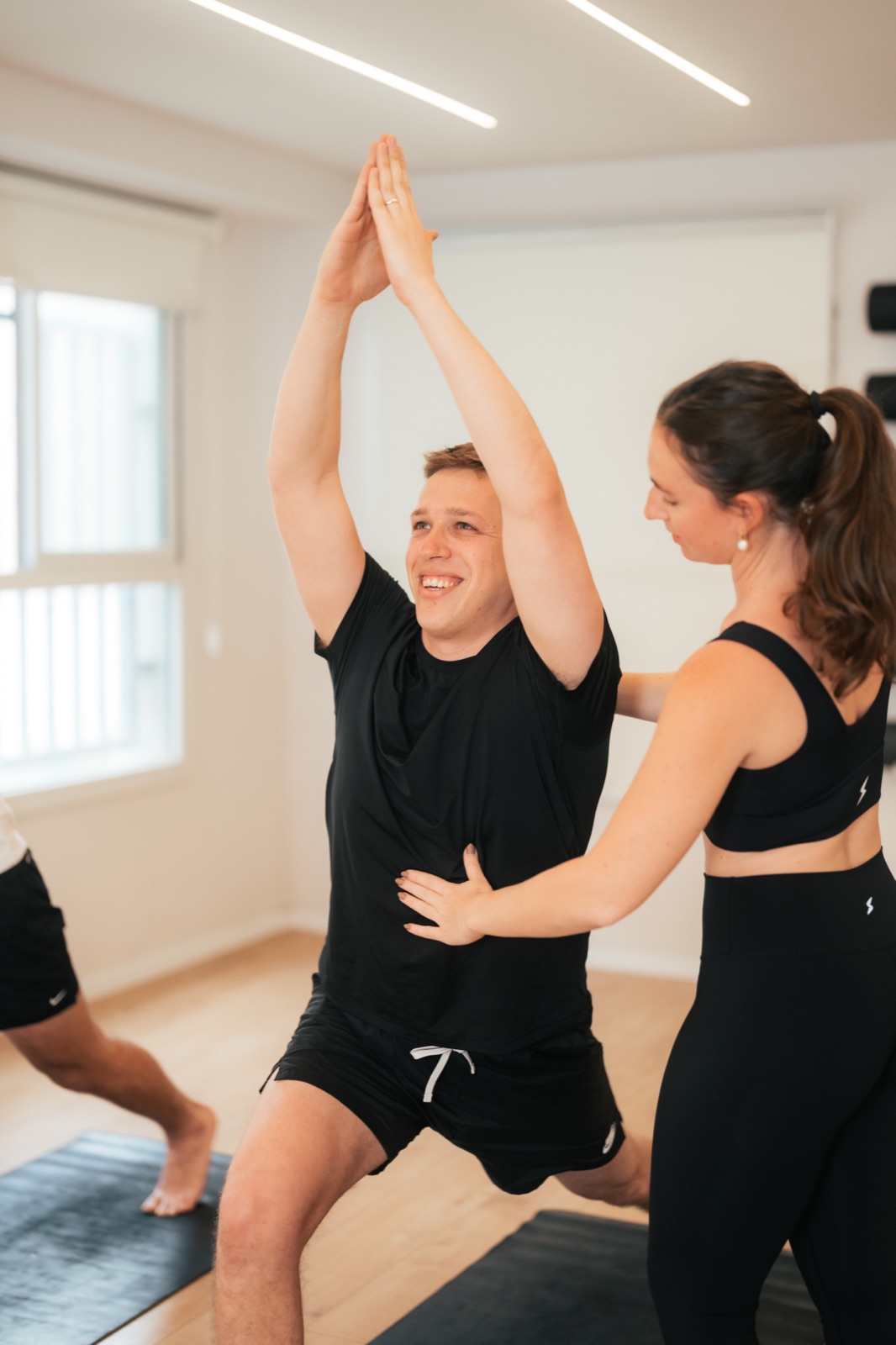
Yoga for stretching: poses such as "warrior" help stretch and strengthen the thigh and ankle muscles.
Period pain
Many women experience pain during their period, and adapted movement can help:
Breathing and moving meditation: gentle yoga such as child's pose or cat–cow calms and reduces tension in the lower abdomen.
Pilates for strength and relief: exercises combining deep breathing and gentle movement can release the muscles and ease the pain.
Light aerobic activity: walking or moderate exercise can release endorphins – natural painkillers – and bring relief.
All in the head? And in the body too
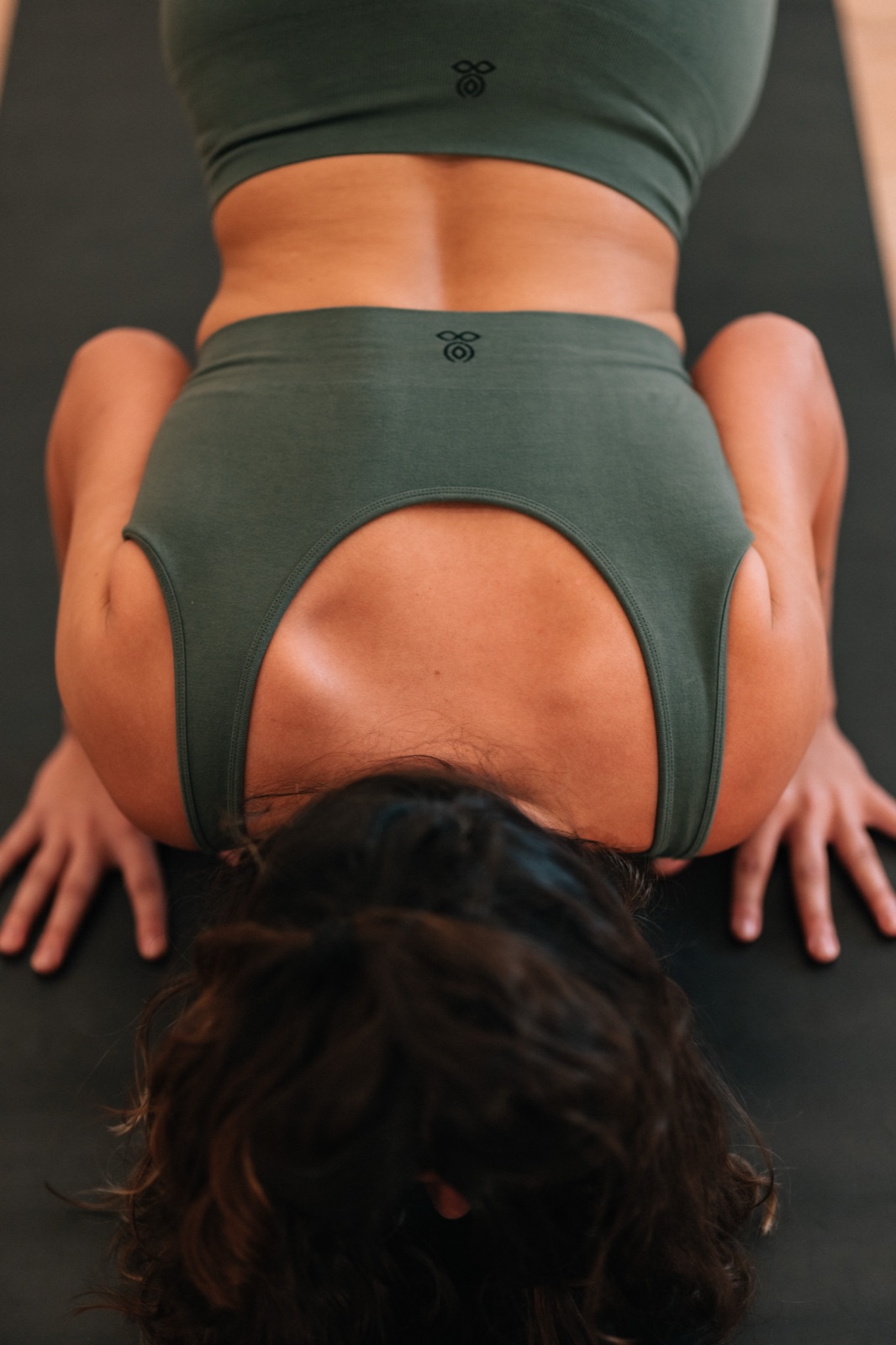
Chronic pain isn't only physical – it's a mental game. When we experience pain over a long time, the brain starts sending us messages of limitation, helplessness, "it will always be like this". When pain continues for a long time, the nervous system can enter a "sensitised state", amplifying signals from the body even after the original damage has healed. In effect, the brain remembers the pain and keeps sending it even without a dangerous stimulus. But one of the most important tools for improvement is believing it can get better. Just as the brain learns pain, it can also learn to reduce it. Adapted movement, consistent practice, patience with the body and focusing on small progress every day can change how we experience pain – and how we cope with it. Breathing practice and a shift in mindset can help the brain reinterpret sensations, reduce pain and break the cycle of limitation and frustration. Research shows that exercise releases endorphins and improves how we feel physically and mentally. In the end, the body is stronger and more flexible than we think – and when the mind is open to change, the pain can change too.
Some days are like that
There are days when the pain is stronger and the injury is noticeable and limiting. On those days, be kind to yourself and adapt your practice as you go. Remember there's no need to put unnecessary pressure on yourself – rest is part of healing too. If you choose to practise, prefer gentle, soothing work such as deep breathing, gentle stretches or small movements focused on release and relief. Listening to the body is the key to keeping balance and preventing things from getting worse.
How to avoid making the pain worse
Listen to your body: with any sharp pain or unpleasant sensation, stop and look into the cause.
Professional, qualified guidance: adapted movement needs personal adjustment. A professional instructor can help you adapt the exercises and the workout to your needs.
Warm up and stretch: start every workout with a proper warm-up and finish with stretches to release.
Movement as part of everyday life
Remember that movement doesn't have to be strenuous to be effective. Everyday actions like walking, taking the stairs or even short stretches in the middle of a working day can make a big difference.
Movement is healing
Chronic pain isn't a life sentence. With the right practice, a strong mindset and adapted movement – in the studio and beyond – you can significantly improve how you feel, reduce pain and improve your quality of life. Give your body the chance to move, get stronger and release – it will thank you for it.
More from the journal
· 2 min read
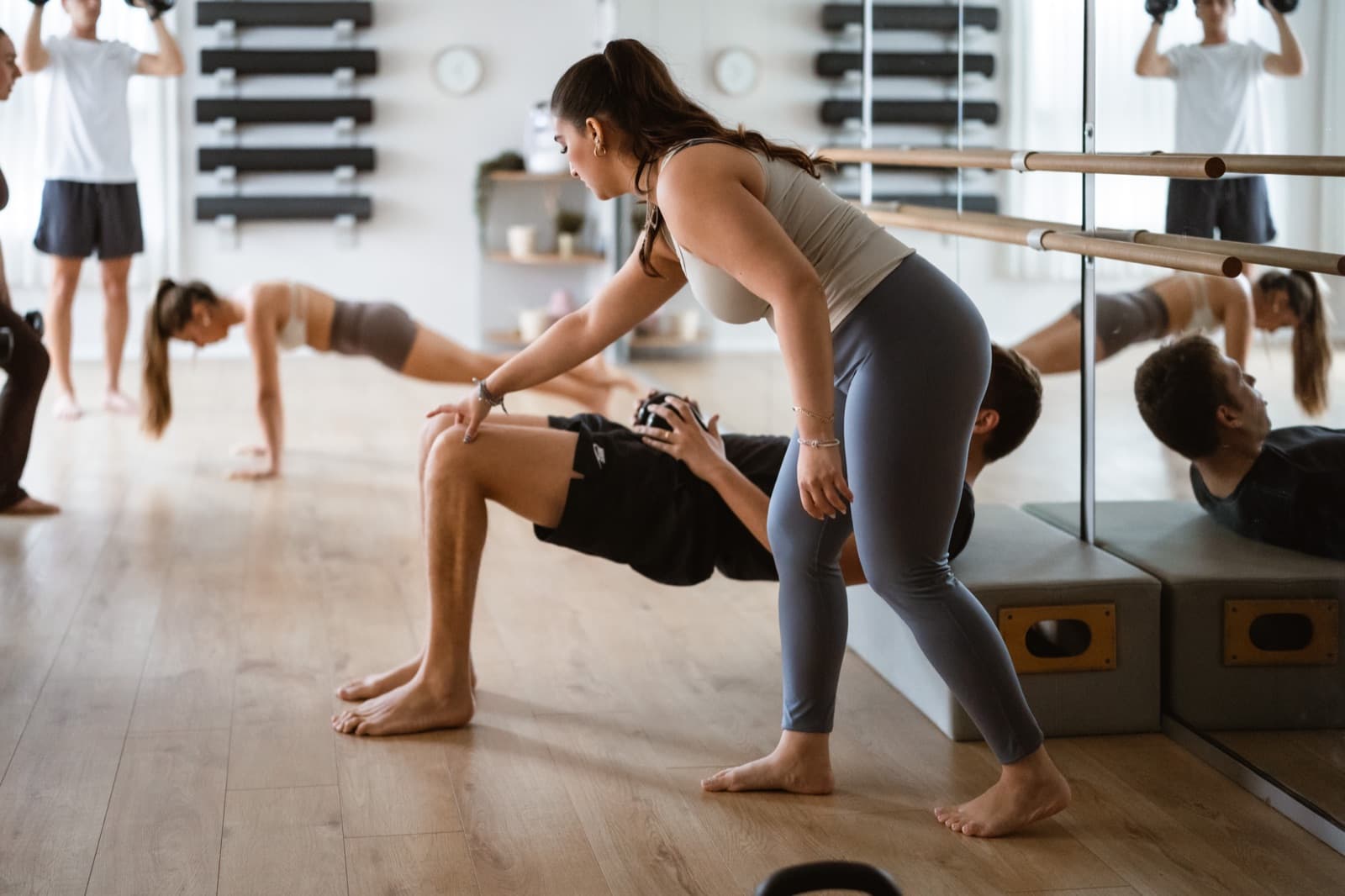
If I didn't sweat, does it still count as a workout?
You know that moment when you leave the studio, look in the mirror and suddenly think:
· 3 min read
My doctor told me to start Pilates
The information in this post is based on my personal and professional experience and is not a substitute for medical, physiotherapy or any other professional advice. For any medical question or limitation, consult your doctor or treating professional.
· 2 min read
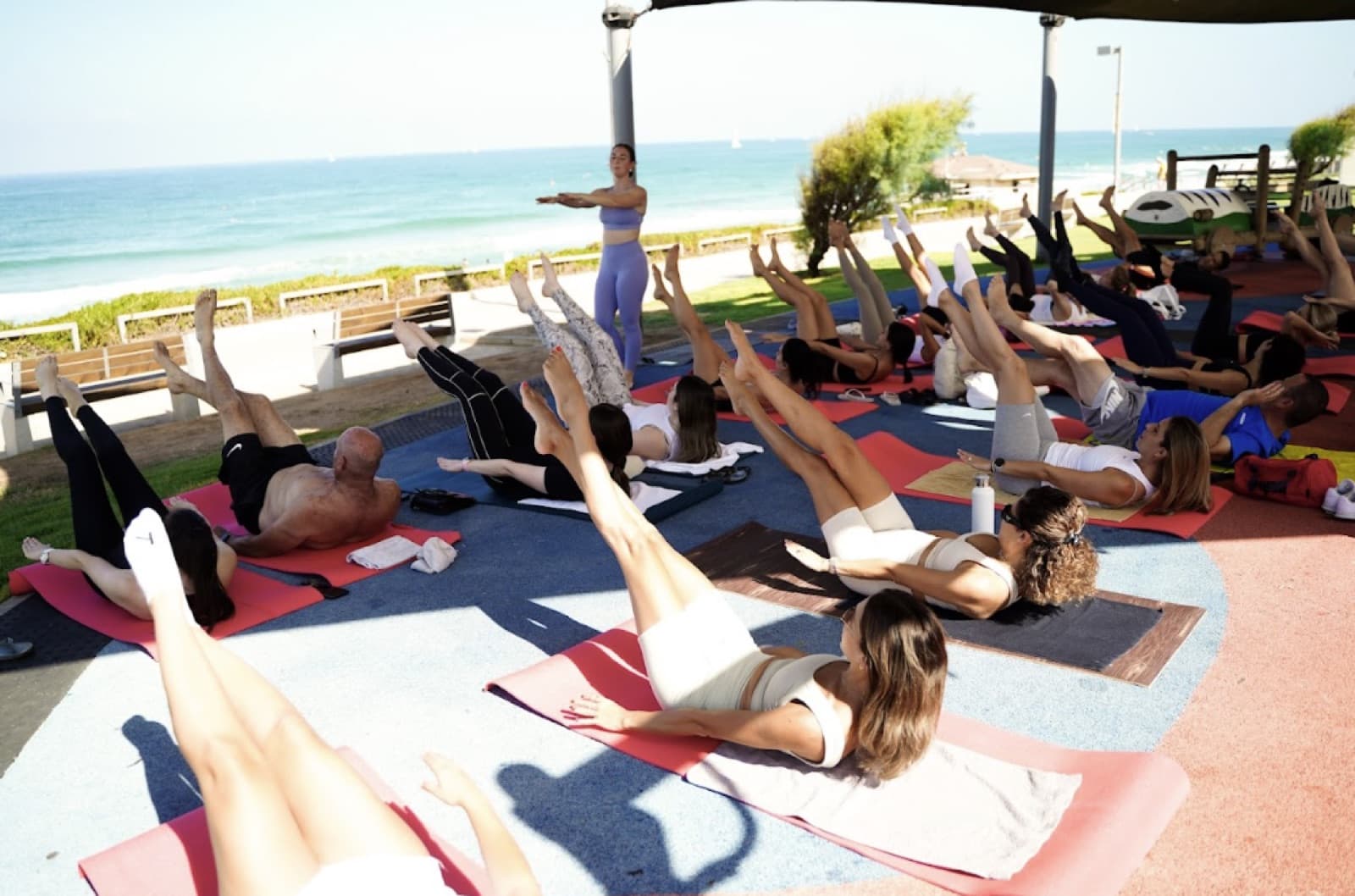
Family movement
The summer holidays bring plenty of challenges – routine, screen time and the endless search for something to do – but also a great opportunity: family quality time that doesn't have to mean screens or another trip to an air-conditioned mall with junk food.