
Moving for two: why movement in pregnancy and after birth is essential
By Bar Berman · · 2 min read
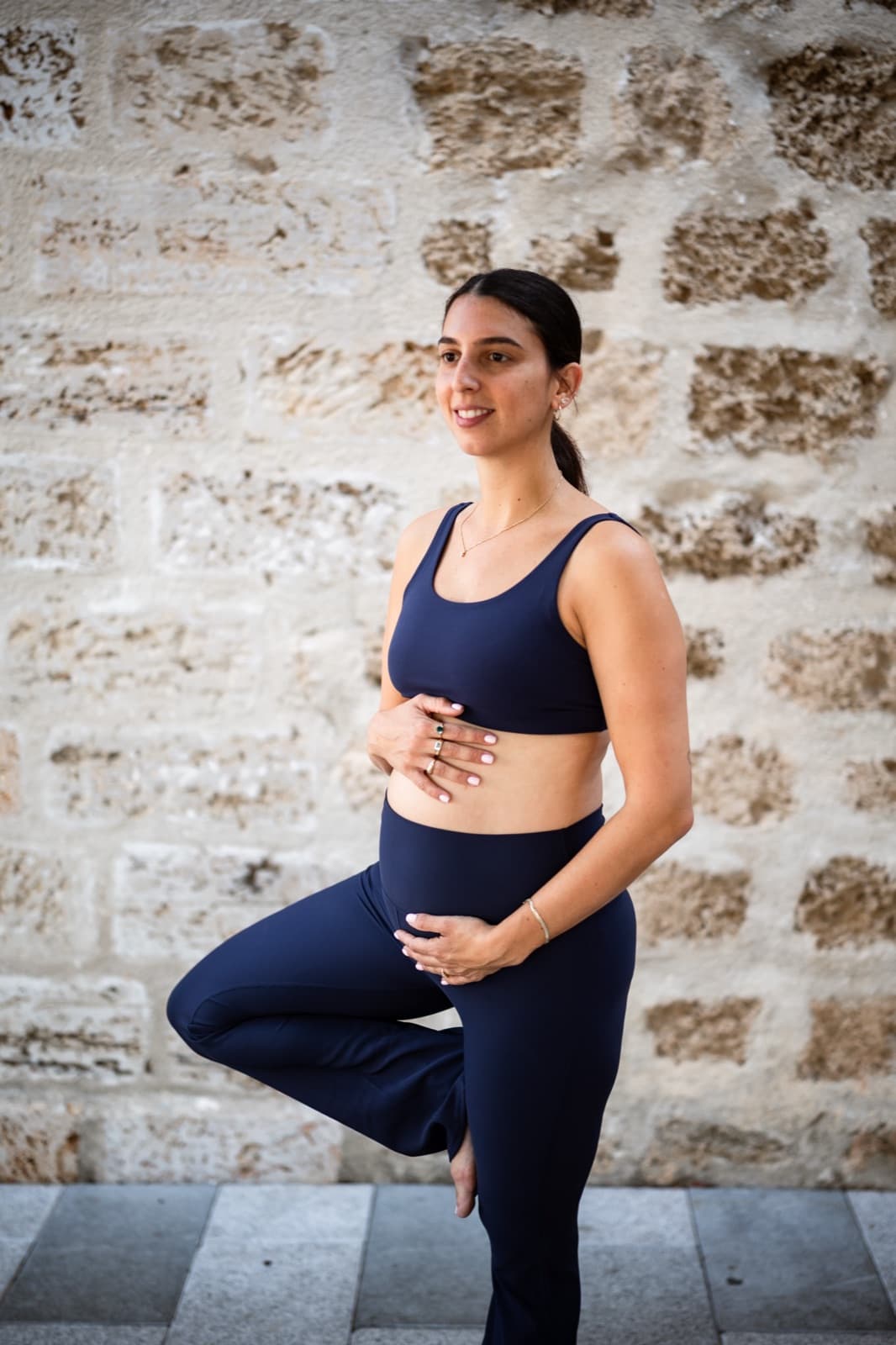
Hi, Bar here – studio director, yoga and Pilates teacher, movement therapist, and now a mum to a baby of my own.
Let's talk straight. Pregnancy, birth and the period after are a crazy rollercoaster for body and mind. Between the tiredness, the hormones and the never-ending to-do list, it's very easy to push movement to the bottom of the priority list and say "I don't have time" or "I'll train when they're older".
But we both know the opposite is true: movement at this time is essential. It's the anchor that keeps us sane and strong.
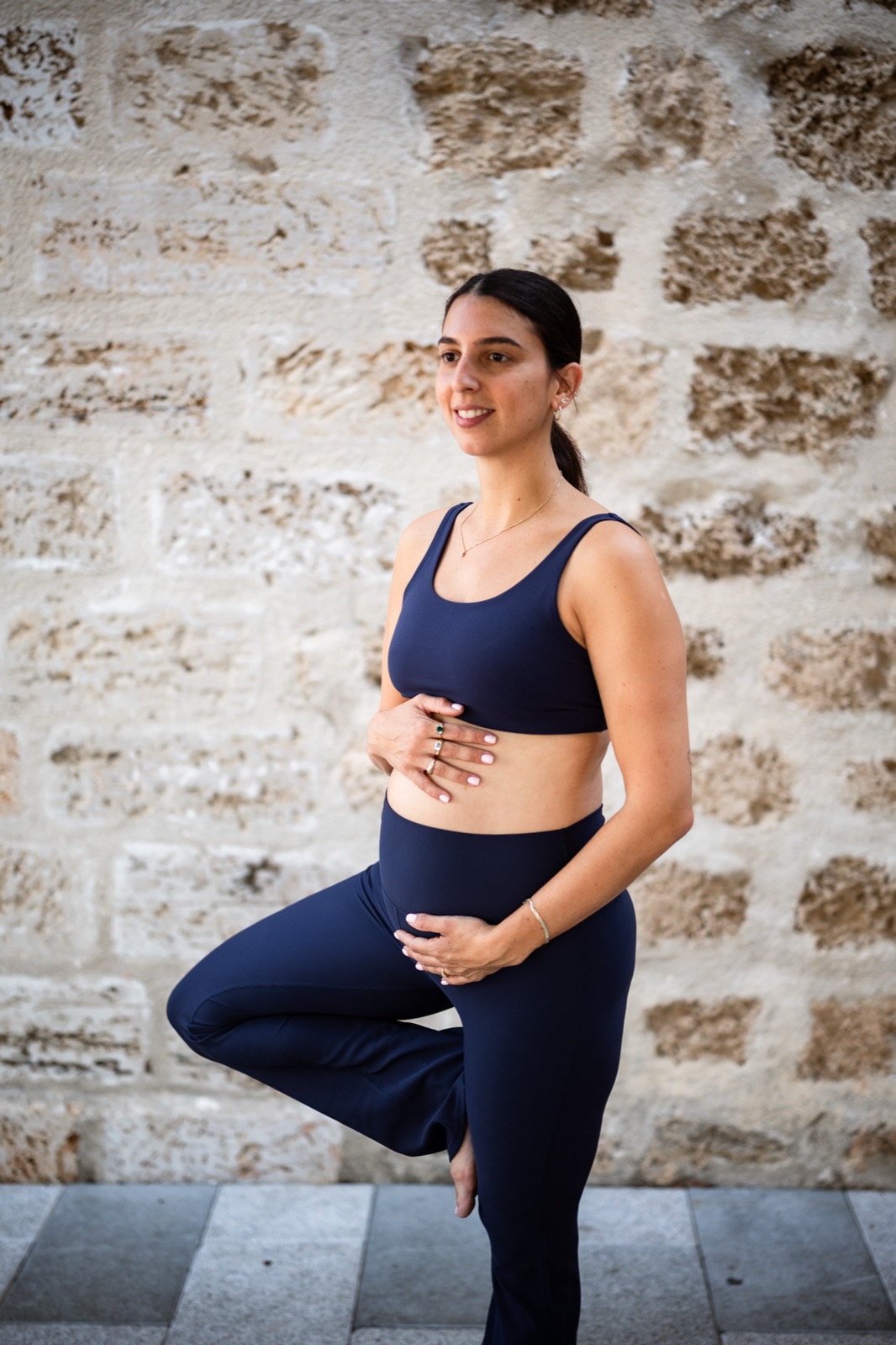
Lower your expectations and listen to your body: it won't feel the same (and that's okay!)
Let's shatter a modern, dangerous illusion: the crazy expectation to "get back to yourself" the second you leave the hospital is imaginary. Your body went through nine months of extreme change, stretching and softening, and then through the most powerful, moving, life-changing physical event there is – birth.
Movement won't feel the way it used to. Your balance is different, your core needs rebuilding, and the tiredness usually speaks for you. It will take time to get back to the loads, the pace or the flexibility you once had – and that is really, really okay.
The goal right now isn't breaking records but building correctly, controlled rehabilitation and compassion for the body that just performed magic. Don't compare yourself to any Instagram video – your pace is the right pace.
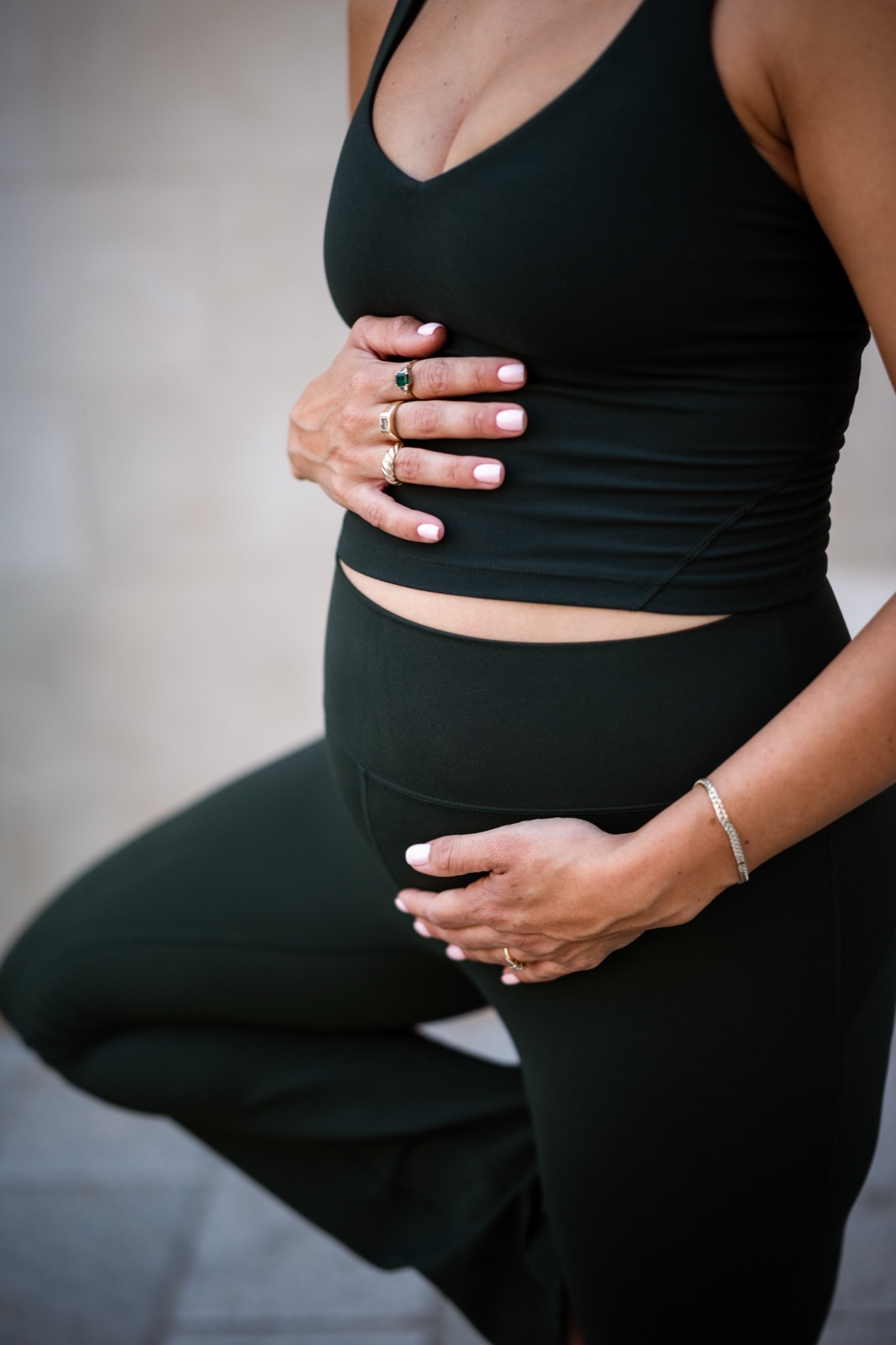
In pregnancy and after birth: your body needs support, not too much rest
Our body goes through extreme biomechanical changes in a short time: the centre of gravity shifts, the pelvic floor and abdomen work overtime, and the joints become more flexible (and sometimes more vulnerable) because of the hormone relaxin.
In pregnancy: controlled movement (such as adapted Pilates) aims to reduce back pain, maintain range of motion and prepare the body for the real thing – birth and the carrying that comes after.
After birth: rehabilitation takes patience, but it has to start with smart movement. Bringing back work on the core and pelvic floor is the foundation for every everyday movement with the baby.
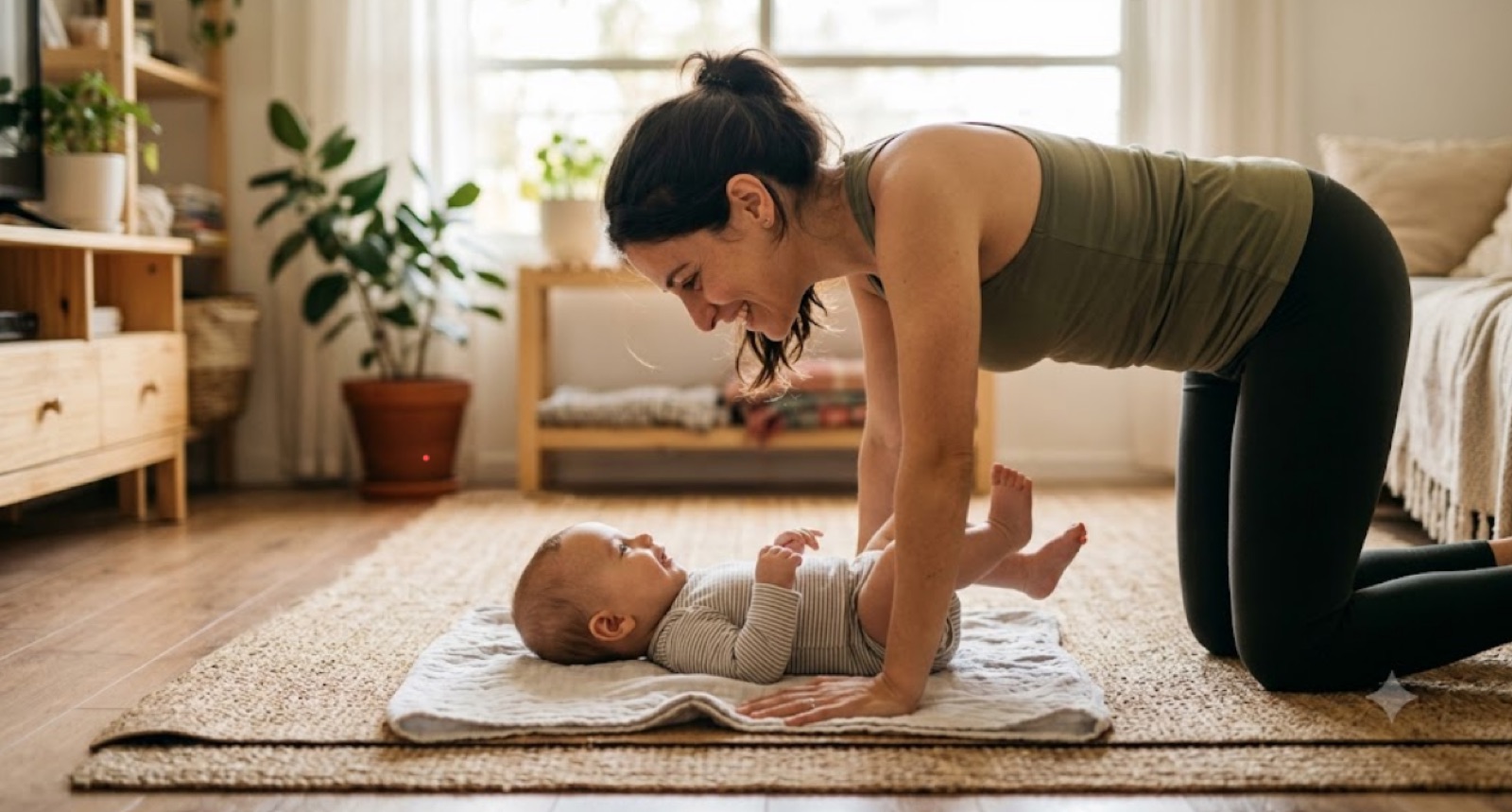
Moving with the baby: it's not "me or them"
Many women feel guilty when they take an hour for themselves. The solution? Include the baby. Moving together with your baby (in a carrier, on the mat or right beside you) is a perfectly efficient combination:
Active rehabilitation: the baby is your natural, ever-changing weight.
Bonding through movement: the touch, the rhythm of your movement and the physical closeness calm the baby's nervous system – and yours.
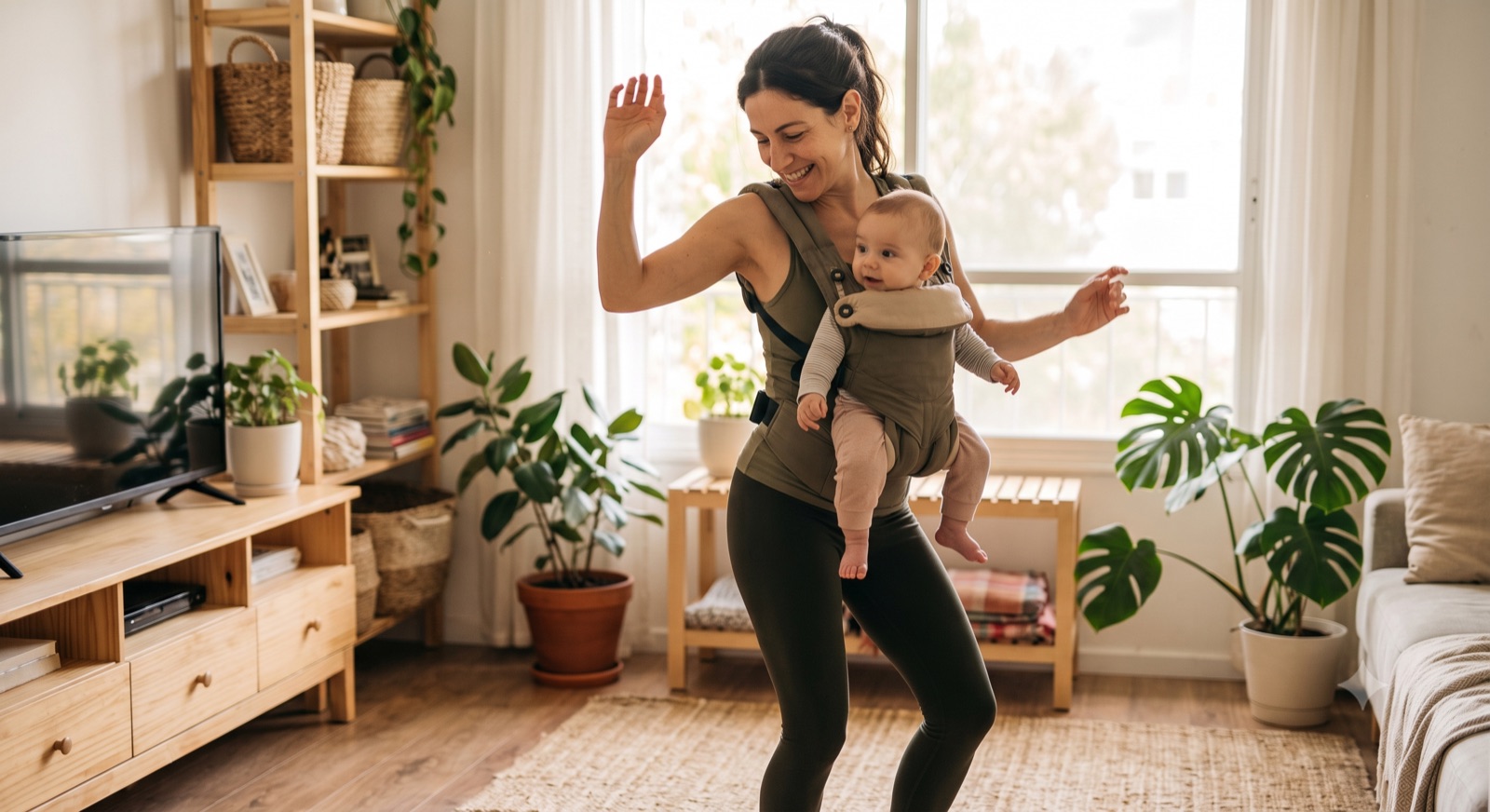
Parenting 101: what do our children learn when we move?
Children don't listen to what we say – they watch what we do. Even before they understand a single word, they pick up the vibe at home.
When your baby sees you rolling out a mat, stretching, working hard and smiling while you do it, they learn a crucial lesson: that movement is a natural, healthy and enjoyable part of life. A body in motion makes a more vital, more patient, more present mum.
My bottom line for you: don't wait for time to "free up", because it won't happen by itself. Take five minutes, roll out a mat, move your pelvis together and breathe. Your body will thank you, and your baby will gain a strong mum.
Waiting for you at the studio, with the bump or with the baby,
Bar
More from the journal
· 2 min read
If I didn't sweat, does it still count as a workout?
You know that moment when you leave the studio, look in the mirror and suddenly think:
· 3 min read
My doctor told me to start Pilates
The information in this post is based on my personal and professional experience and is not a substitute for medical, physiotherapy or any other professional advice. For any medical question or limitation, consult your doctor or treating professional.
· 2 min read
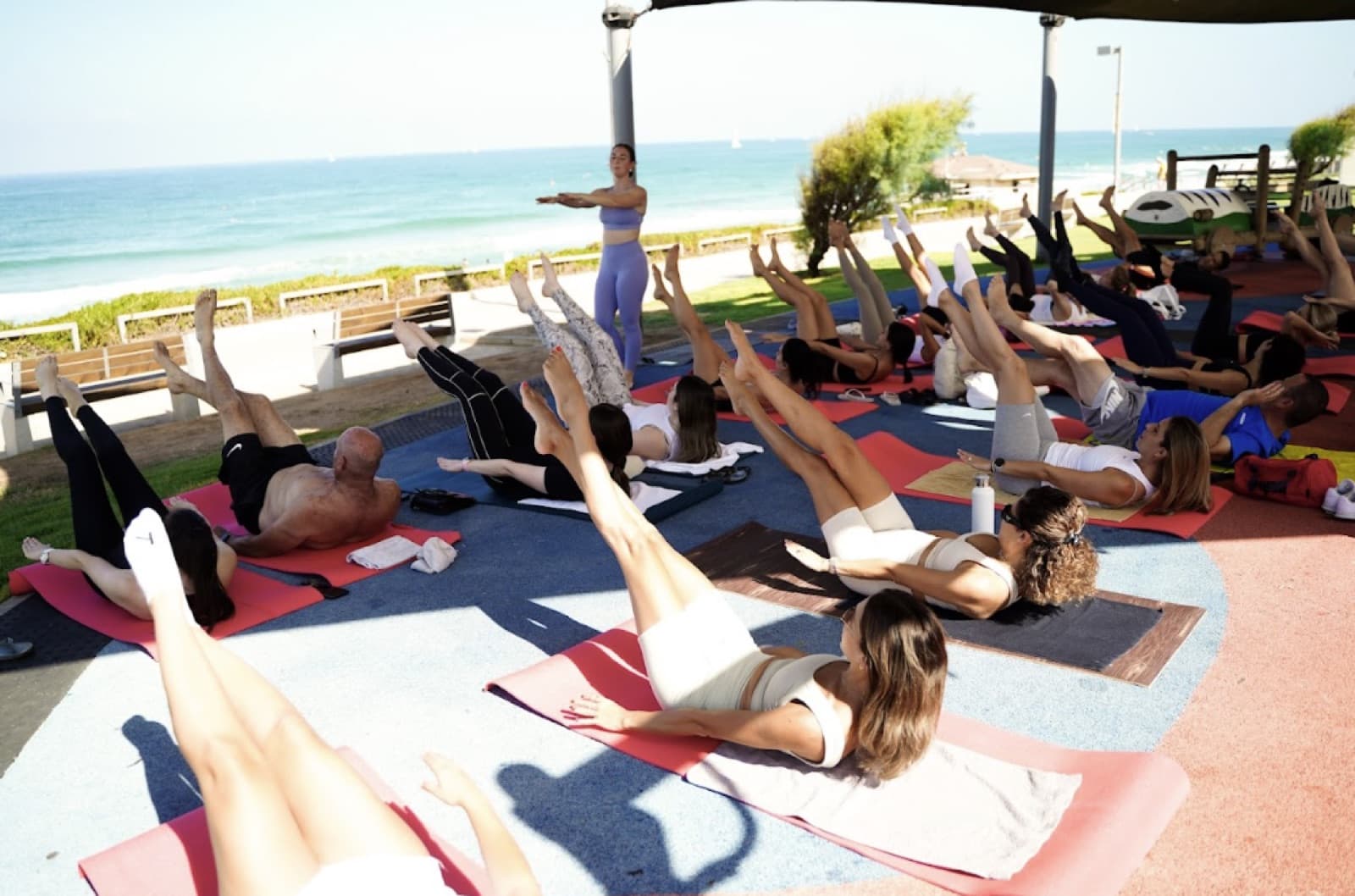
Family movement
The summer holidays bring plenty of challenges – routine, screen time and the endless search for something to do – but also a great opportunity: family quality time that doesn't have to mean screens or another trip to an air-conditioned mall with junk food.