
Back and neck pain – what you should know (with physiotherapist Zohar)
By Zohar Eder · · 2 min read
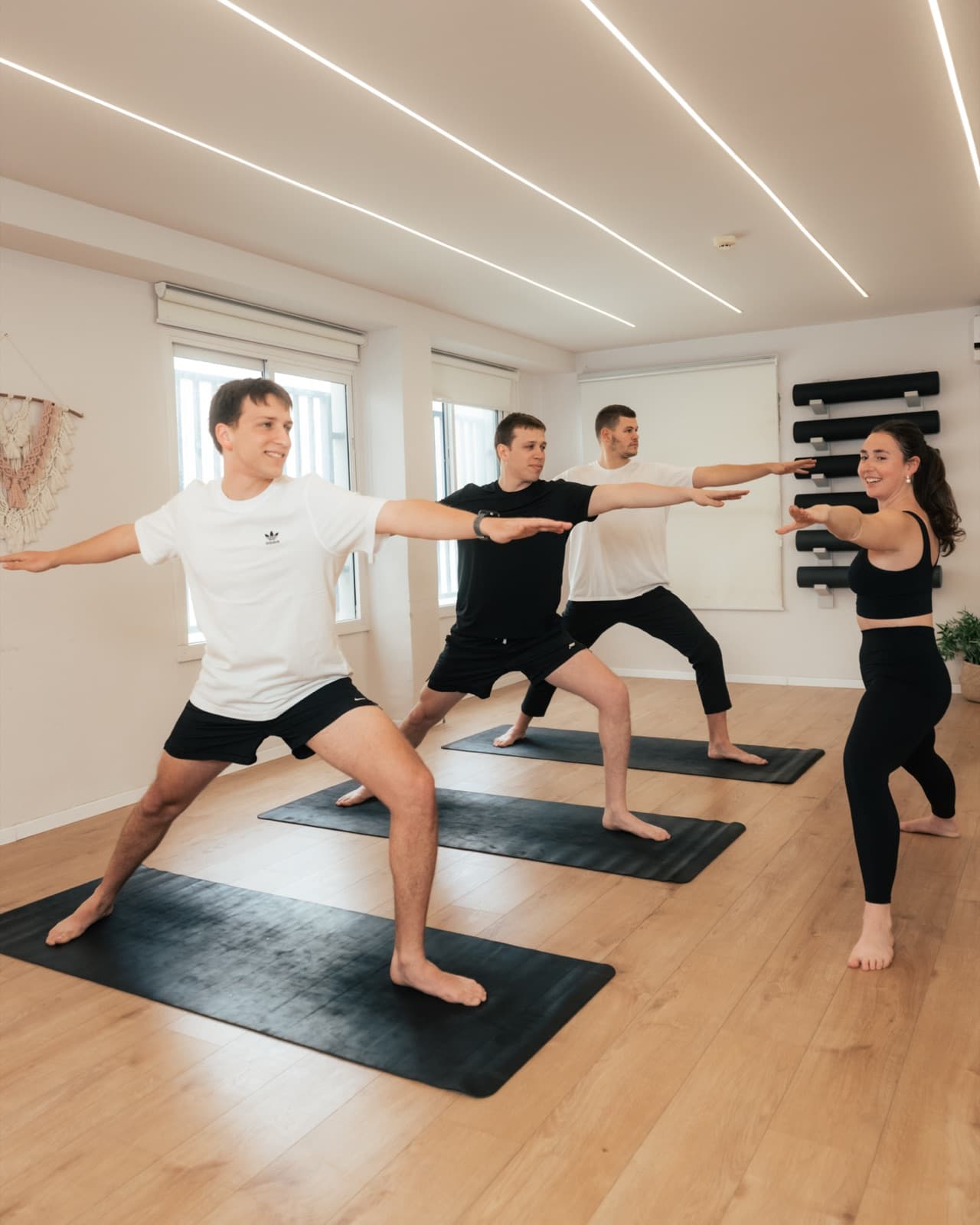
If you find yourself suffering from back or neck pain, know that you're not alone. These are among the most common pains in adults, and according to recent research, about 80% of the population will experience lower back pain at some point in their lives. Neck pain is also very common, especially among young people, because of long hours in front of screens and ongoing stress.
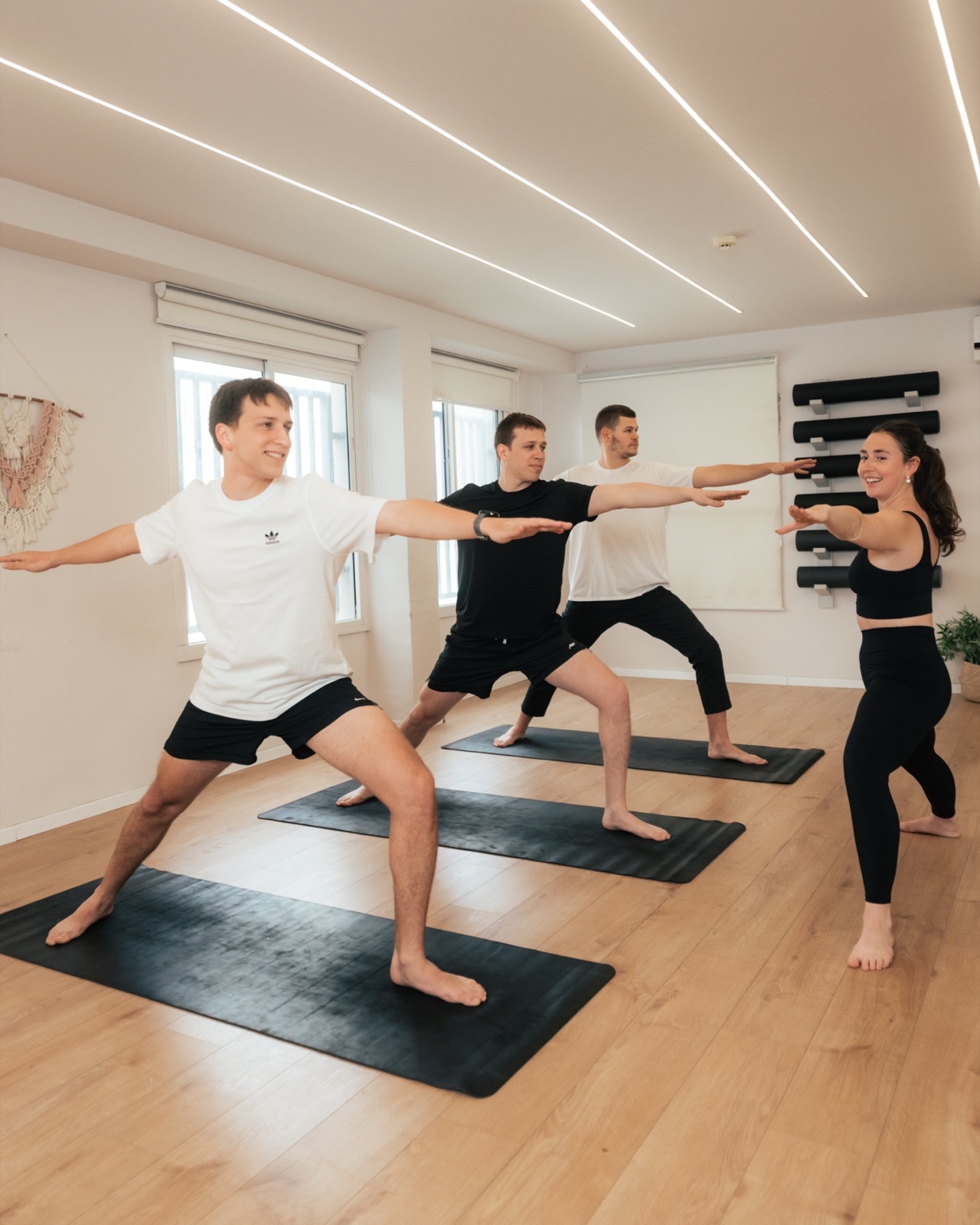
Lower back pain: what does it mean?
Back pain can have different causes, and each type has a different pathological cause. But what happens when back pain has no clear cause or medical explanation?
In that case it's defined as non-specific lower back pain – a term for pain in the lower back without an identifiable pathological cause that shows up on imaging such as X-ray or MRI. In other words, the pain isn't caused by a problem such as a herniated disc, a tumour or a fracture in the spine.
What causes this pain?
Many factors can lead to back and neck pain. The main ones are:
Poor posture: incorrect posture during long periods of sitting, or working in uncomfortable positions, can strain the muscles and spine and lead to pain. Keeping good posture can reduce the load and ease back and neck pain.
Mechanical causes: research shows that prolonged or incorrect physical activity – such as carrying heavy, unsuitable loads, or repetitive movements – can cause muscle strain and lead to pain.
Psychological factors: stress and emotional pressure also contribute to neck pain and non-specific lower back pain. Stress can intensify the feeling of pain and affect how the body copes with it.
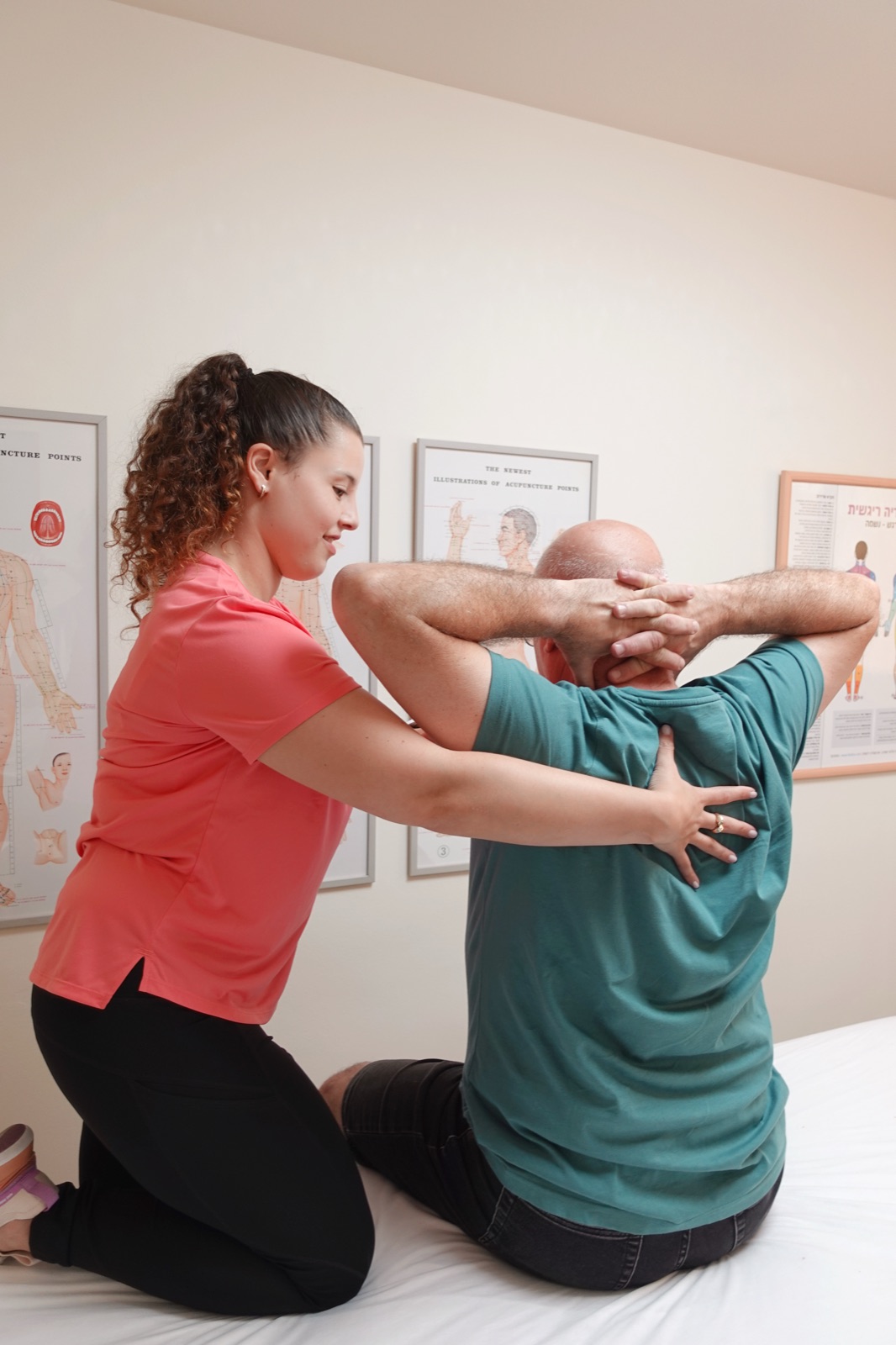
When should you start to worry?
Non-specific back pain is usually solvable and can be treated with exercise and everyday adjustments (more on those below). But it's important to know the "red flags" that may point to more serious problems. Symptoms such as pain radiating to the legs or arms, loss of sensation, weakness, or pain that wakes you from sleep can all indicate more serious medical conditions. If your back or neck pain comes with additional symptoms, consult a physiotherapist or orthopaedist for a proper diagnosis and treatment.
So how can we ease the pain and improve our quality of life?
The good news is there are many ways to deal with back and neck pain. Physiotherapy has been proven effective in improving function and posture and reducing pain, through techniques including strengthening, improving range of motion and manual therapy. Staying active, stretching daily, doing strength exercises and improving your posture during the day are also important ways to feel better overall and reduce pain.
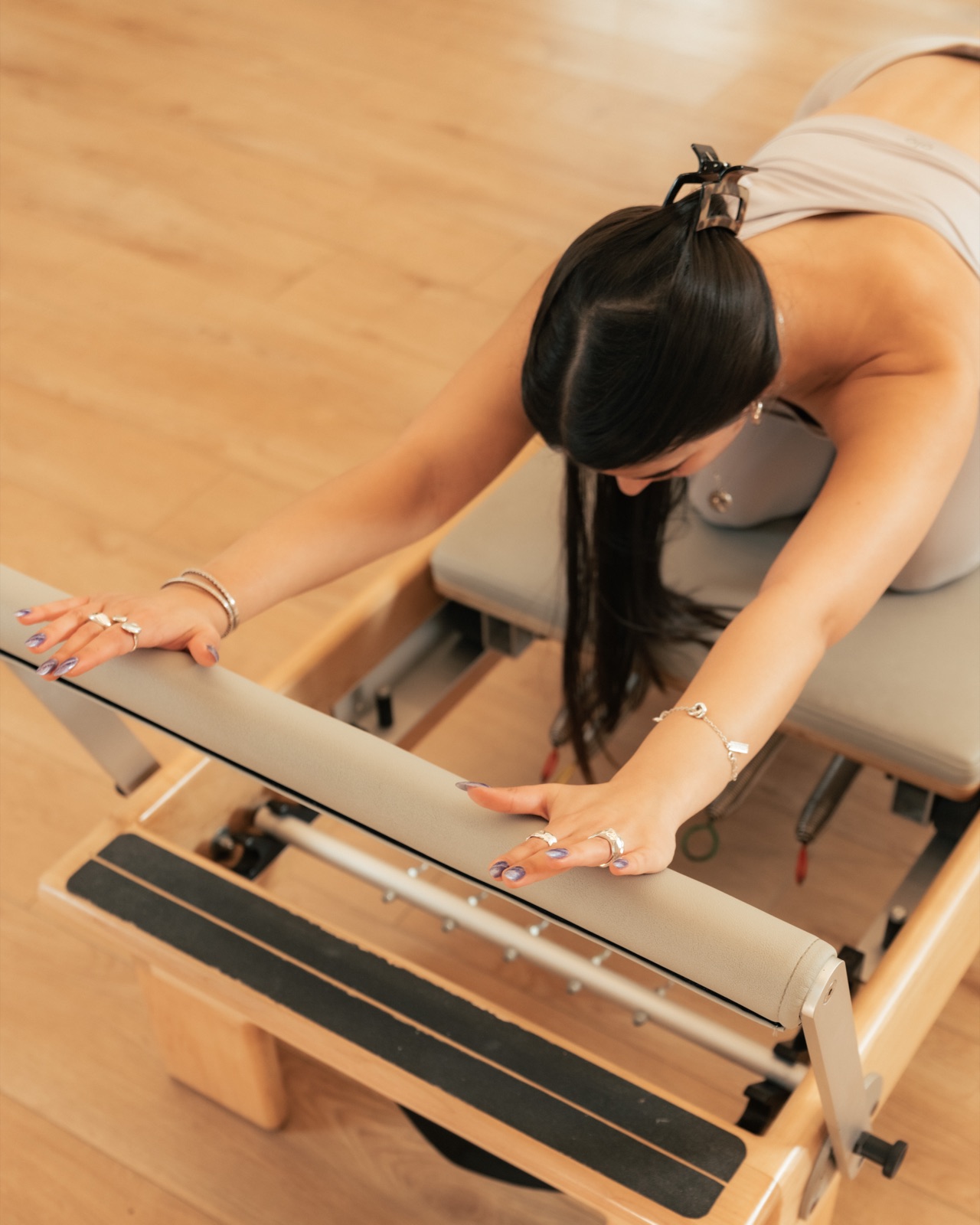
Here are a few tips for improving and preventing back pain, especially for office workers:
Take breaks: take short breaks every 30–60 minutes to stretch and move.
Use a comfortable chair: chairs with lower-back support help reduce the load on the spine.
Adjust your screen: the screen should be at eye level and 50–70 cm from your eyes.
Want to know more? Sign up for the joint workshop Bar and I are running on 12.9.24 and 13.9.24. I'll be there to give more tips, answer questions and help!
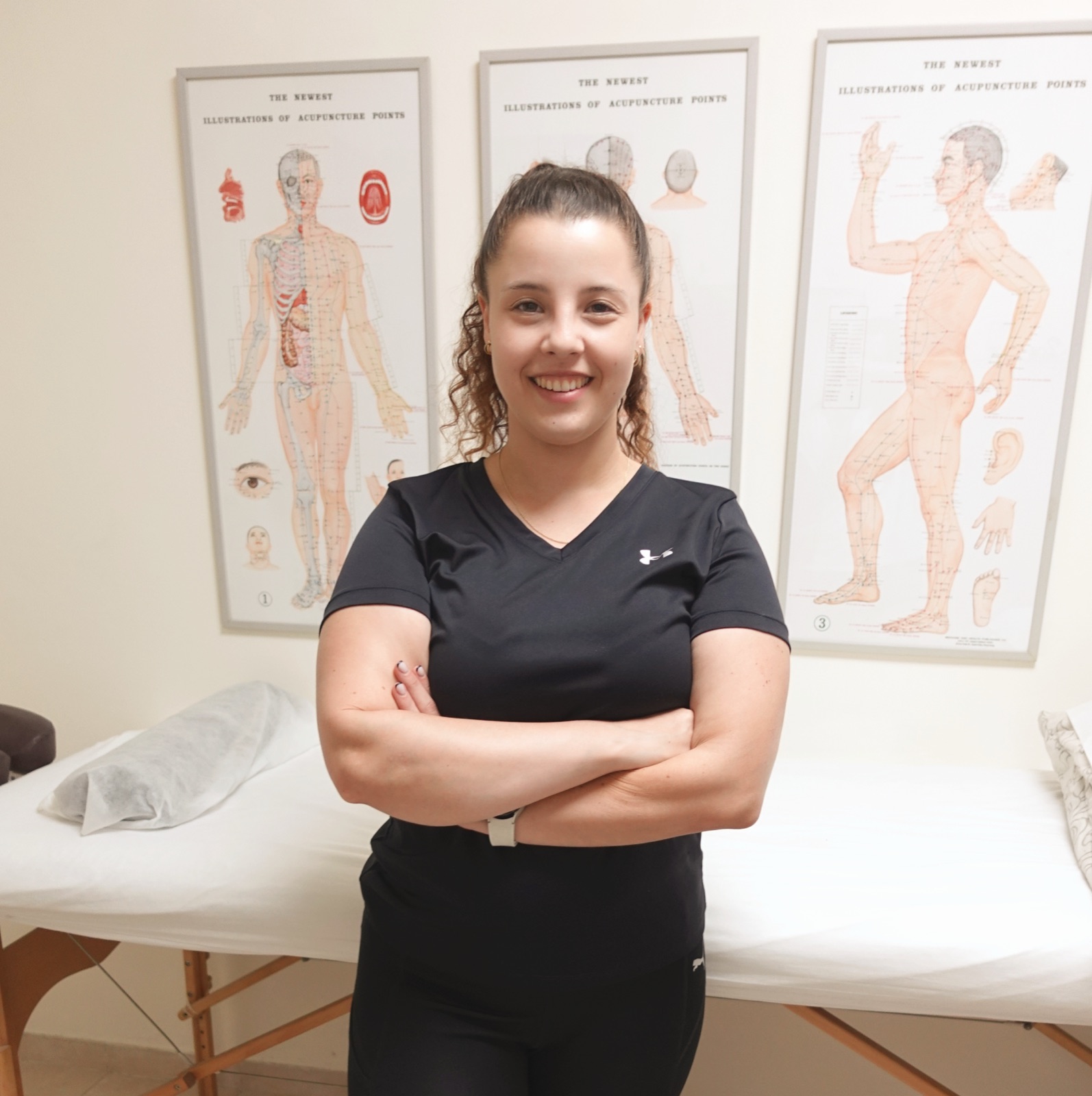
Zohar Eder is a certified physiotherapist treating sports injuries, orthopaedic and neurological rehabilitation, vestibular physiotherapy and seniors. Want to book a treatment at the clinic? Call or WhatsApp 054-8017353. The clinic is in the Neve Oz neighbourhood of Petah Tikva.
More from the journal
· 2 min read
If I didn't sweat, does it still count as a workout?
You know that moment when you leave the studio, look in the mirror and suddenly think:
· 3 min read
My doctor told me to start Pilates
The information in this post is based on my personal and professional experience and is not a substitute for medical, physiotherapy or any other professional advice. For any medical question or limitation, consult your doctor or treating professional.
· 2 min read
Family movement
The summer holidays bring plenty of challenges – routine, screen time and the endless search for something to do – but also a great opportunity: family quality time that doesn't have to mean screens or another trip to an air-conditioned mall with junk food.