
This text is for beginners and experienced practitioners alike – especially anyone curious about the physical practice of yoga who wants to go deeper into the value of this ancient tool.
It's important to note that yoga isn't only a physical practice. The physical practice (asana) is just a small part of traditional yoga, which also includes breathing practices, many kinds of meditation (both still and moving), mantras, and balancing the body's energy centres.
Today we'll look at yoga from the angle of the physical practice, which is the main form of yoga today.
Yes, practising yoga deepens our flexibility, strengthens our muscles and improves our balance – but unlike other training methods, yoga's highest purpose isn't only improving the body. It's improving the mind, too!
Behind every pose there is an ancient wisdom that touches a particular emotion. Let's explain:
Yoga asanas are built cleverly, so the physical practice doesn't just strengthen and lengthen the muscles – it also strengthens and heals the mind itself.
Before we go into the asanas, let's explain what an asana is:
In Sanskrit, the ancient language of India, the word "asana" means "pose".
Asana practice is divided into three types:
A. Meditative – seated poses for meditation
B. Cultural
C. Relaxation – Shavasana
Today we'll talk about the cultural asanas – especially poses connected to movement and physical effort.
The cultural group contains the largest number of asanas. It includes the asanas that lift our state of consciousness, inspired by the divine in the plant, animal and mineral worlds. Legend says the god Shiva tried 84,000 body positions to find which poses matter most for keeping healthy and developing a high level of awareness – and over thousands of years the asanas were shaped into what they are today.
Cultural asanas have three stages: entering, holding and exiting. They are divided into seven groups: bends in the four directions of the spine, inversions, balances, and the various sun salutations.
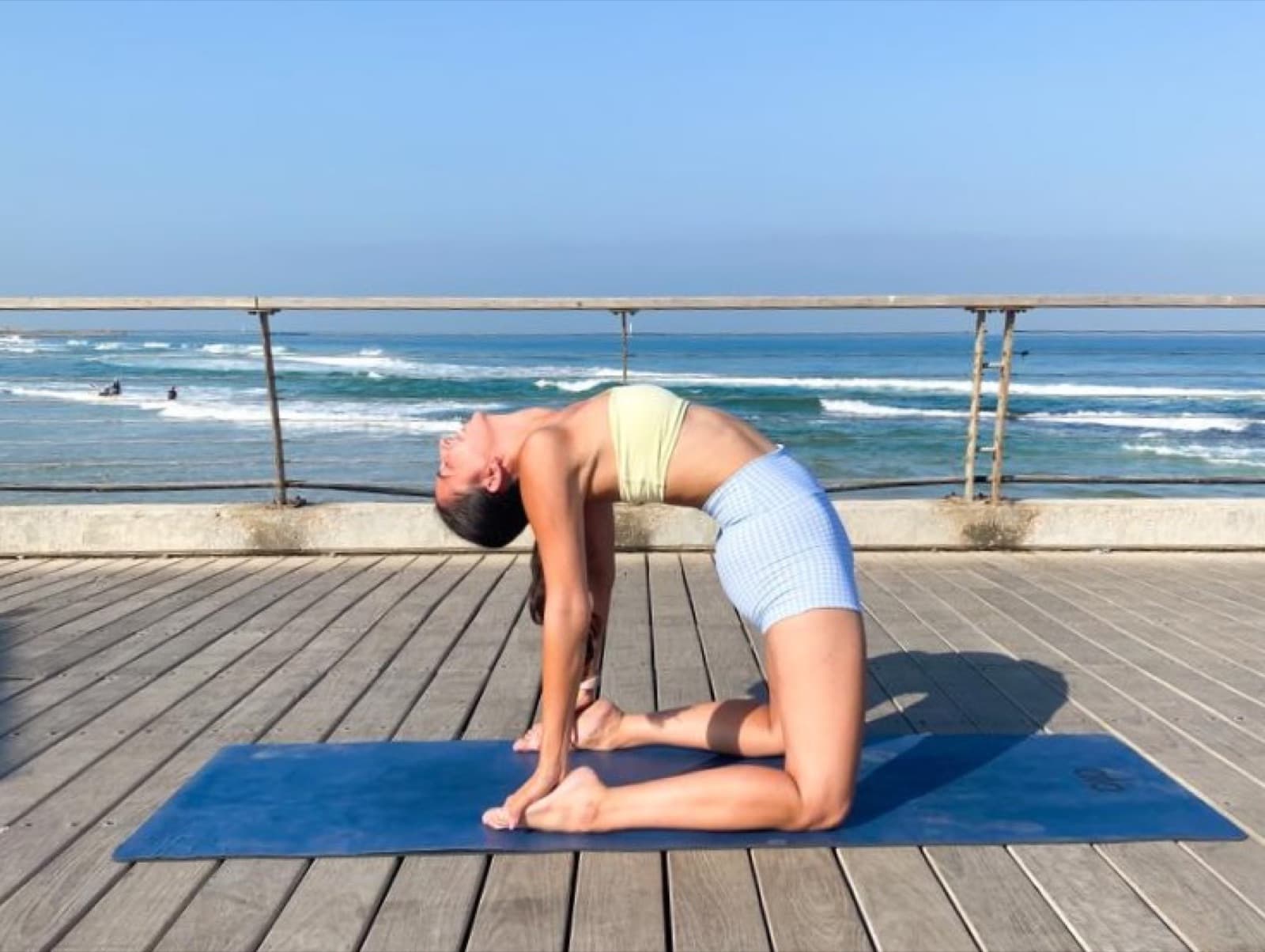
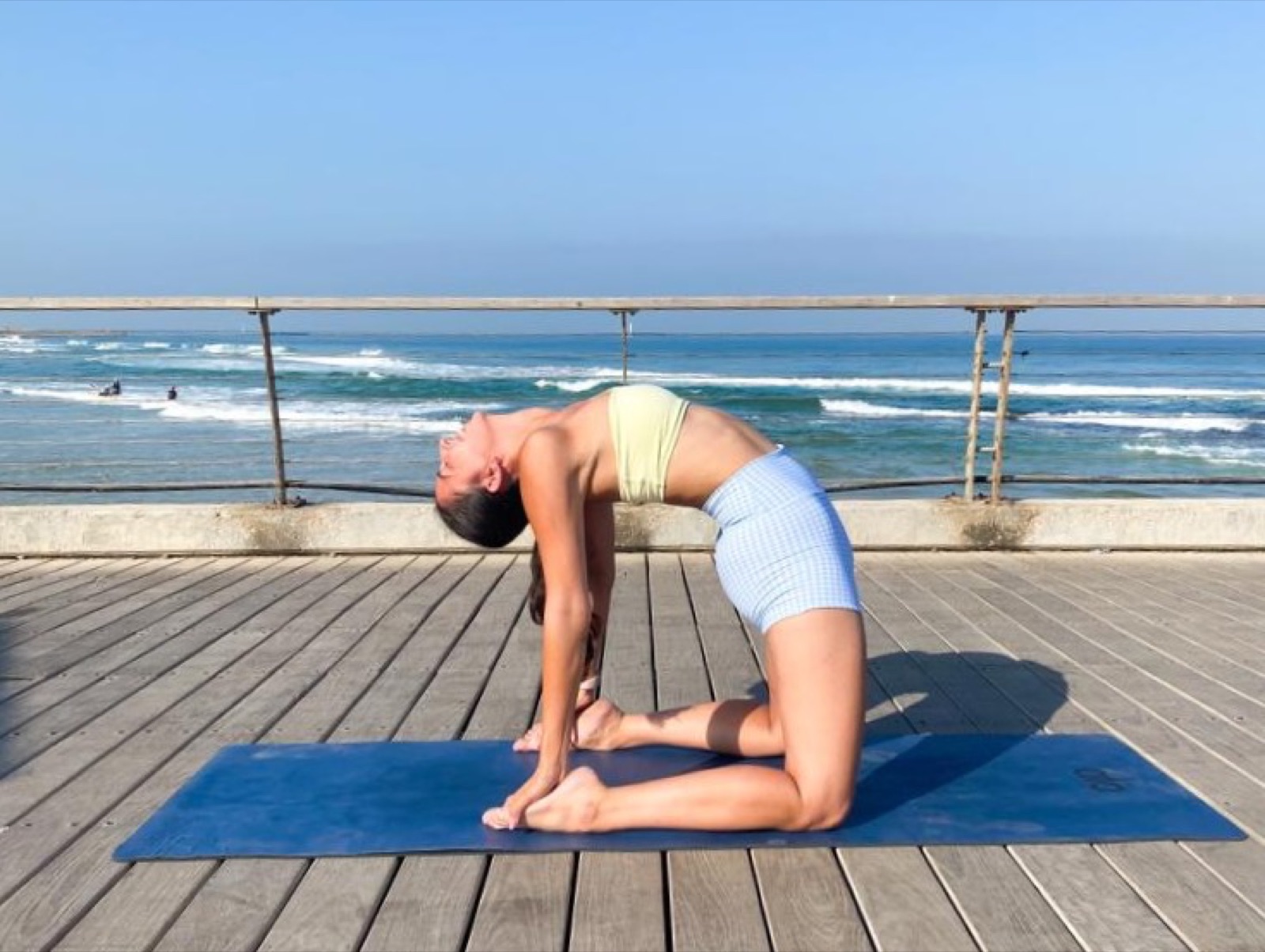
Heart-opening poses ♥️ – mainly backbends, where the chest and heart stretch and open outward. In these poses blood and energy flow to the heart area:
Camel pose – Ustrasana
Bridge pose – Setu Bandha Sarvangasana
Cobra pose – Bhujangasana
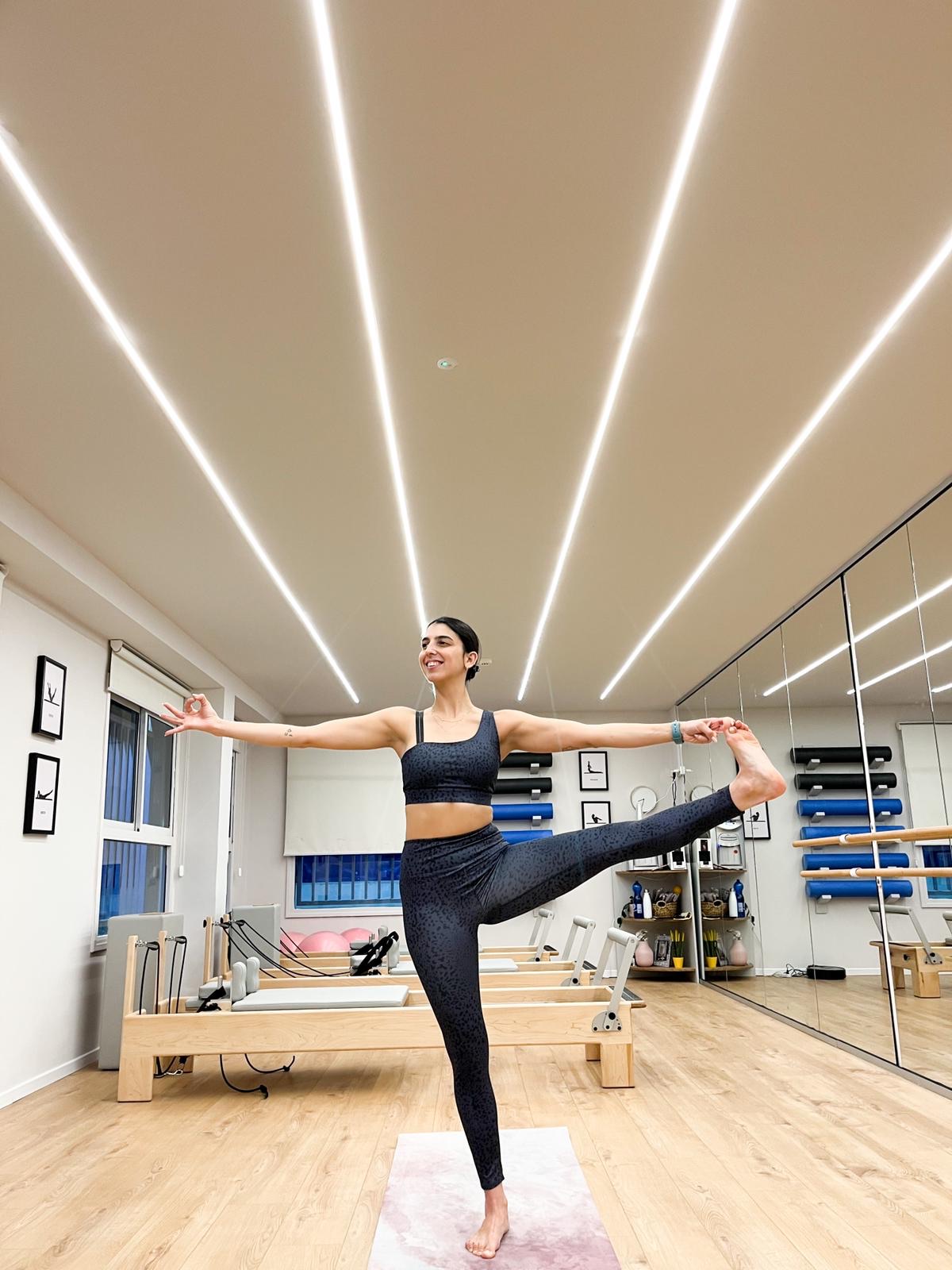
Poses for feeling secure 🛖 (in life, in myself, in my surroundings) – mainly balancing and grounding poses that open the areas where we take in energy, the palms and the soles of the feet:
Tree pose – Vrikshasana
Warrior III – Virabhadrasana III
Mountain pose – Tadasana (a pose I recommend giving 3 minutes every morning to open your day)
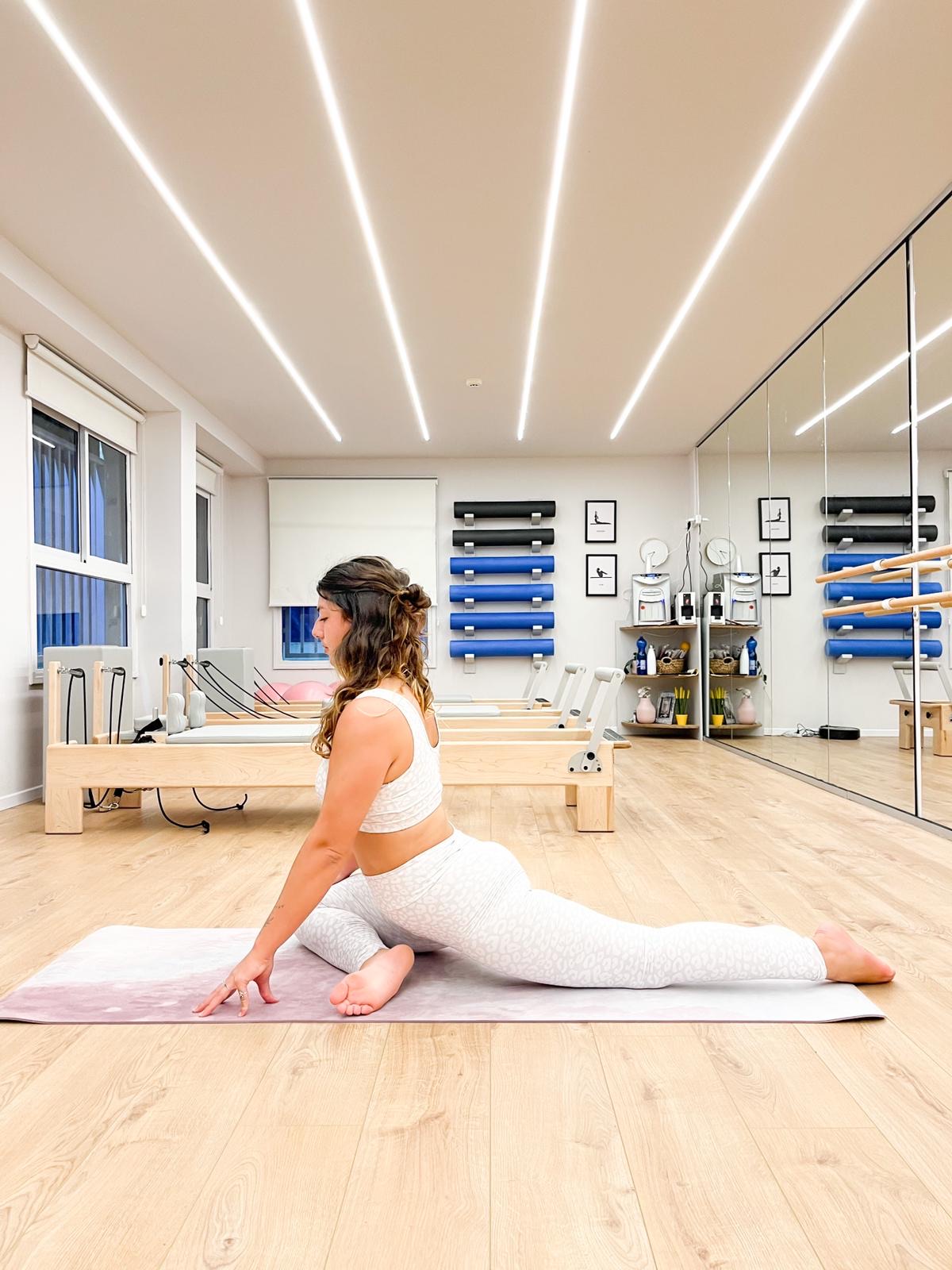
Poses to awaken desire and open sensuality 🌸 – mainly poses that release the pelvis and hips:
Cat–cow – playing freely with the pelvis as you move between the two.
Pigeon pose – Eka Pada Rajakapotasana
Reclined butterfly – Supta Baddha Konasana
Now that we understand why asanas matter in yoga and what they give us beyond a strong, flexible body, all that's left is to give ourselves 5 minutes to sit, close our eyes and ask: "What would I like to improve in myself?" "Which emotion would I like to work on?"
In this text I gave three examples of poses linked to an emotion. If you'd like to go deeper, ask questions, and of course practise with me, you're warmly invited to message me privately!
To my Instagram, click the image:
Always yours,
Jen ♥️
Sign up for Jen's classes
More from the journal
· 2 min read
If I didn't sweat, does it still count as a workout?
You know that moment when you leave the studio, look in the mirror and suddenly think:
· 3 min read
My doctor told me to start Pilates
The information in this post is based on my personal and professional experience and is not a substitute for medical, physiotherapy or any other professional advice. For any medical question or limitation, consult your doctor or treating professional.
· 2 min read
Family movement
The summer holidays bring plenty of challenges – routine, screen time and the endless search for something to do – but also a great opportunity: family quality time that doesn't have to mean screens or another trip to an air-conditioned mall with junk food.