
Let's talk about trends for a moment.
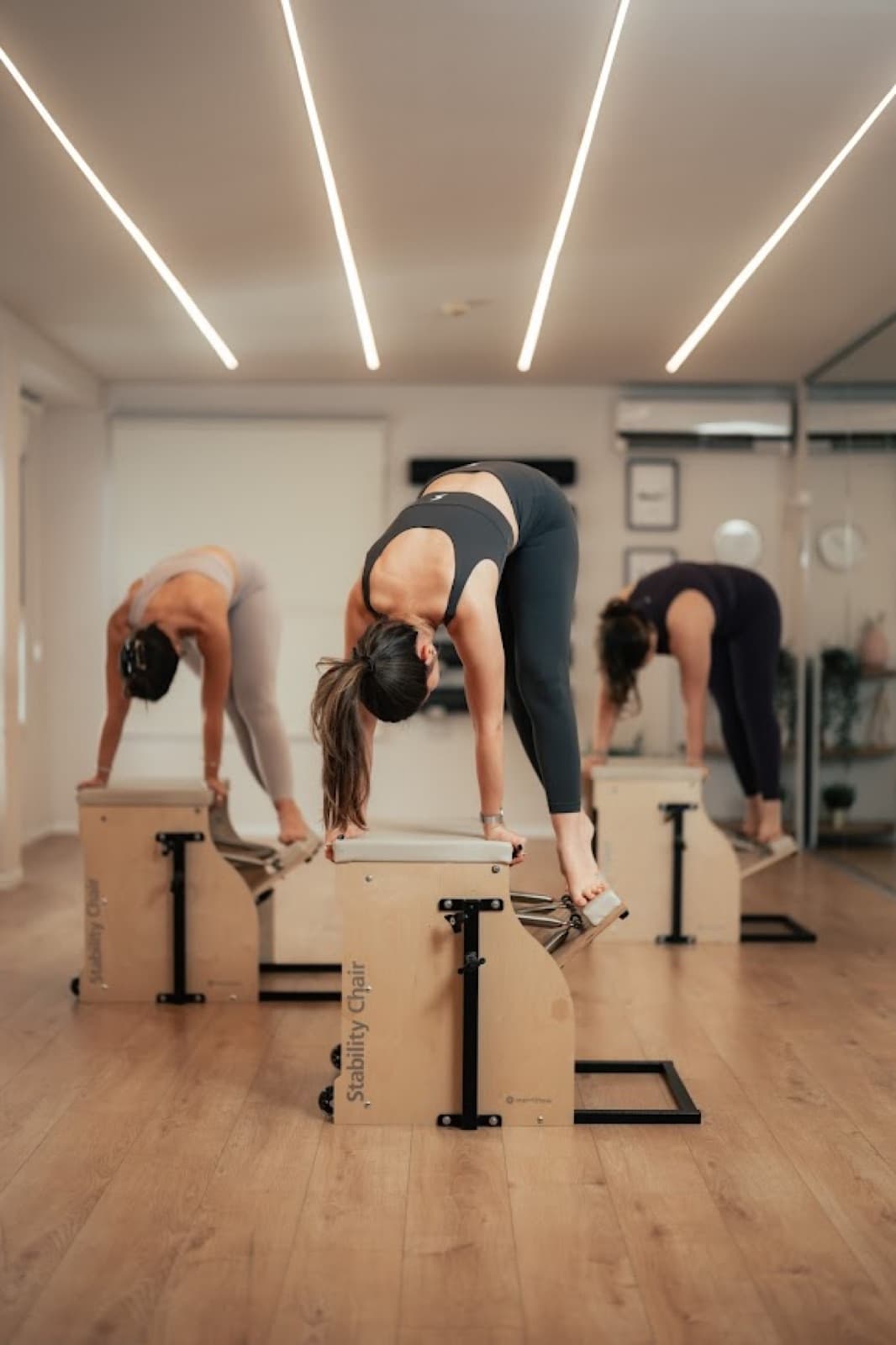
We live in an era of "more is more". Stronger, faster, sweatier, more photogenic for Instagram. If you open Instagram or TikTok and search for "Pilates", chances are you'll see fast videos, jumping, upbeat music and people (mostly women, very long and toned) sweating as if they'd just finished a marathon. It looks photogenic, it's energetic, it makes everyone jealous – and it's mostly… not really Pilates. It's very tempting to go for the "fast" and "light" versions of Pilates marketed on every corner. They promise quick results, they make us feel we worked hard because we sweated, and they fit perfectly into the instant culture we live in.
But at our studio we choose a different path – harder, quieter, and far more effective in the long run. I know it sounds a bit "purist", but there's a reason we insist on every centimetre.
We're not being nitpicky.
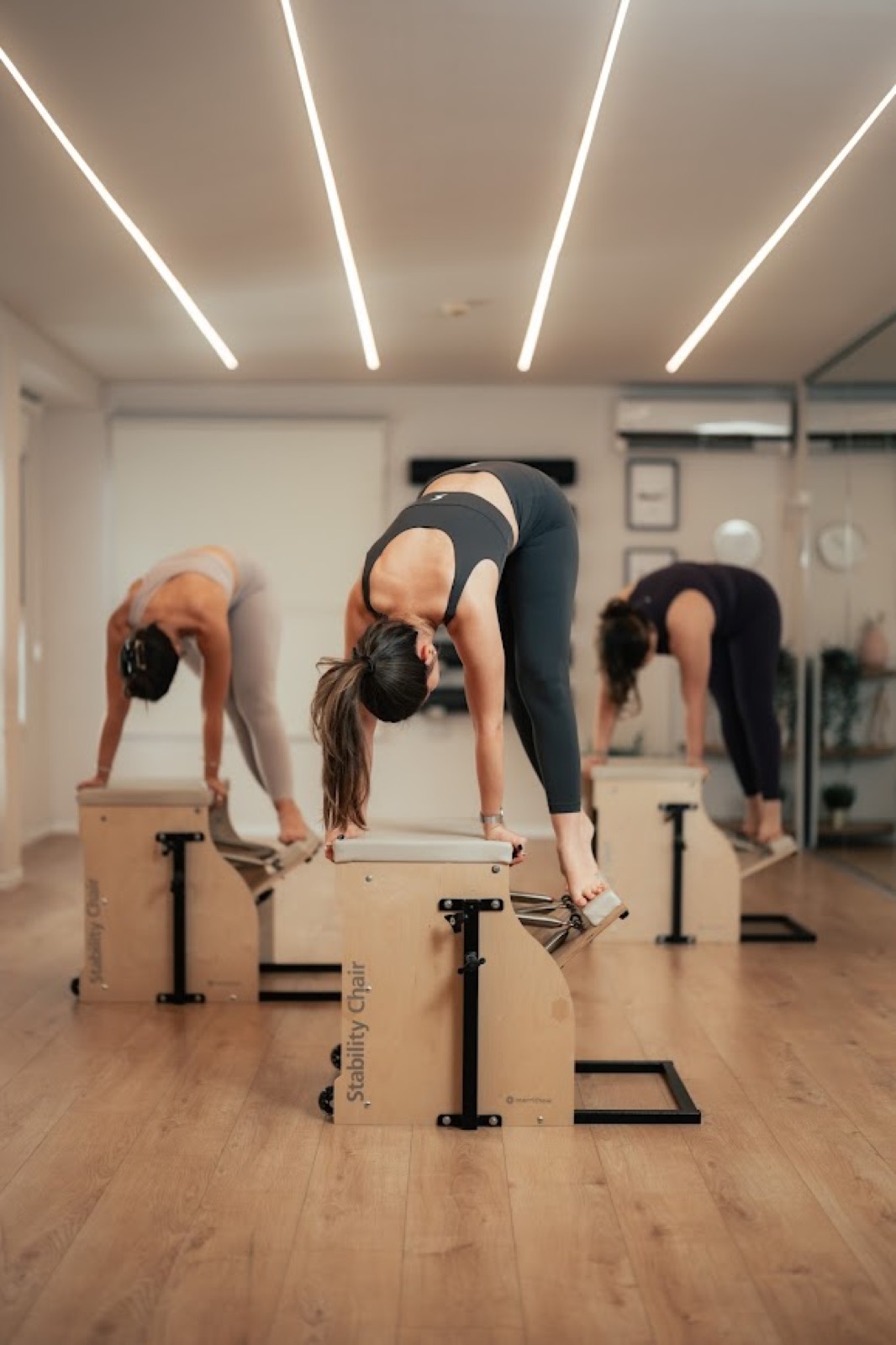
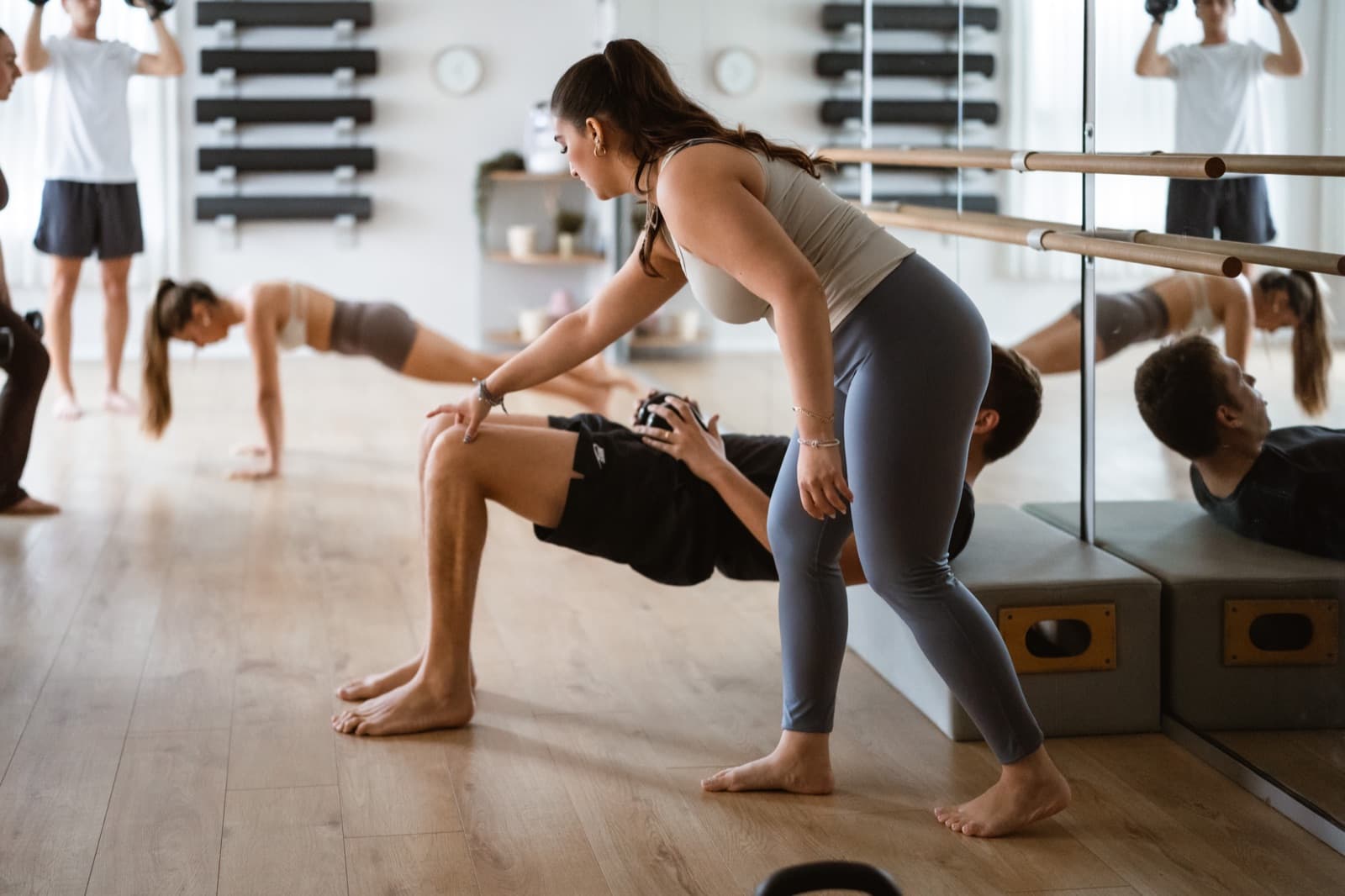
Pilates is originally a method of control (there's a reason Joseph called it "Contrology"). When we ask you to slow down, we're not doing it to annoy you or "torture" you. We do it because our brain loves to cheat. When we move fast, we use momentum. When we move slowly and precisely, we use muscle.
The magic of Pilates doesn't happen in the big, impressive ranges – it happens in the small corrections: in the angle of the pelvis that stops the lower back from collapsing, in gathering the pelvic floor just before the arm moves, in the ability to keep the shoulders away from the ears even when it's hard.
The "boring" work is the most interesting there is
In a world where everything has to be "extreme", "strong" and "burning", choosing slow work is almost an act of rebellion. It demands something much harder to give than physical effort: focus.
When we work with intention, we have no room for thoughts about the shopping list or the email from the boss. We're committed to being there, inside the body. That precision is what builds vitality and that feeling of improving, lengthening and getting stronger.
So why not "the nonsense marketed out there"?
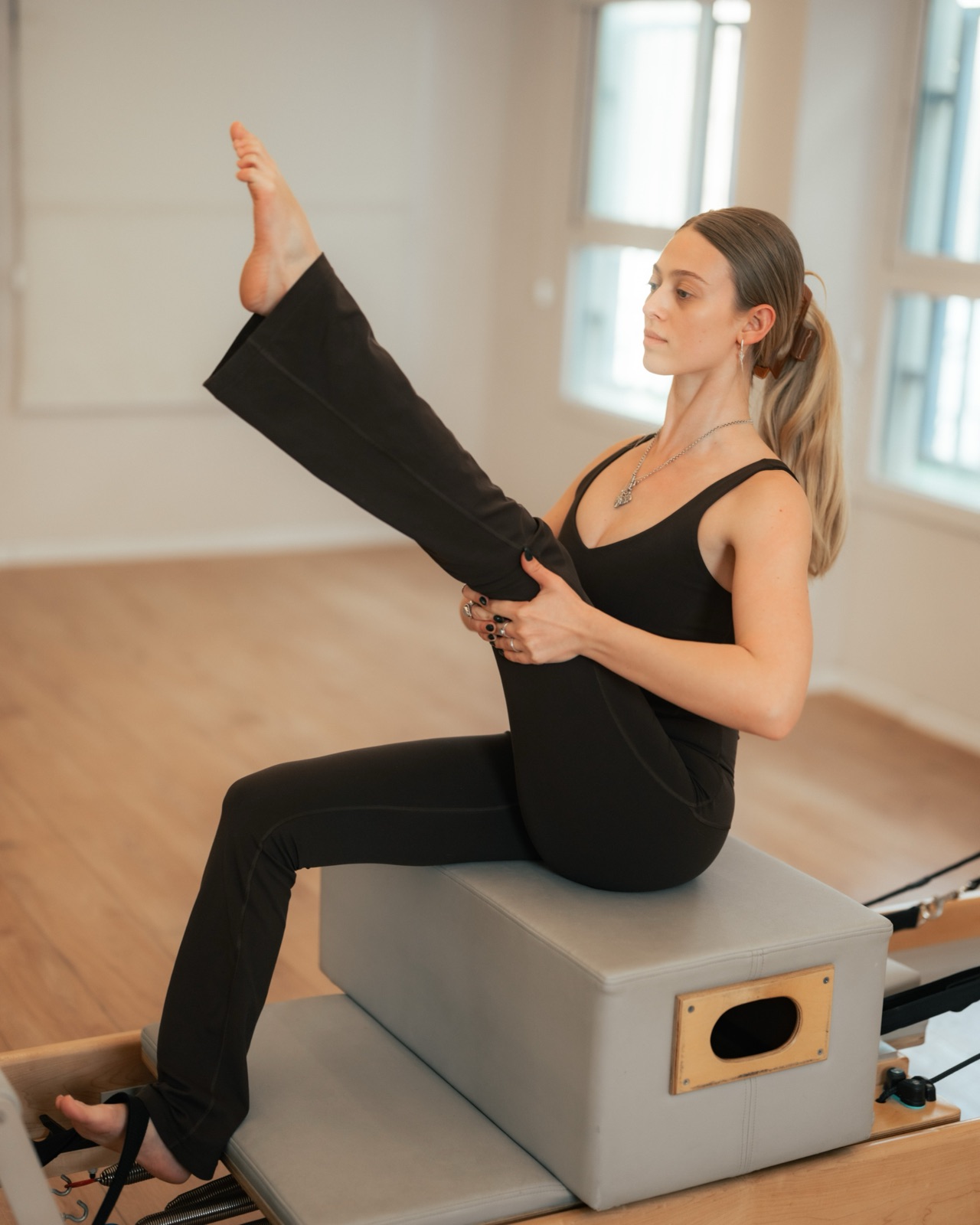
Hold on. There's nothing wrong with any kind of sport – we welcome movement in all its forms. But it's important to do it right. Fast movement without control is simply a quick way to get injured, or to reinforce the faulty patterns we already have from sitting at a computer. Real Pilates is deep work. It teaches your body to function as a stable centre in a changing world.
So next time I tell you to work slowly, count every movement over three counts or breathe at my pace, remember: we're building a body that knows how to hold itself with precision and quiet, even when everything outside is noisy.
See you at the studio, Bar
More from the journal
· 2 min read
If I didn't sweat, does it still count as a workout?
You know that moment when you leave the studio, look in the mirror and suddenly think:
· 3 min read
My doctor told me to start Pilates
The information in this post is based on my personal and professional experience and is not a substitute for medical, physiotherapy or any other professional advice. For any medical question or limitation, consult your doctor or treating professional.
· 2 min read
Family movement
The summer holidays bring plenty of challenges – routine, screen time and the endless search for something to do – but also a great opportunity: family quality time that doesn't have to mean screens or another trip to an air-conditioned mall with junk food.