
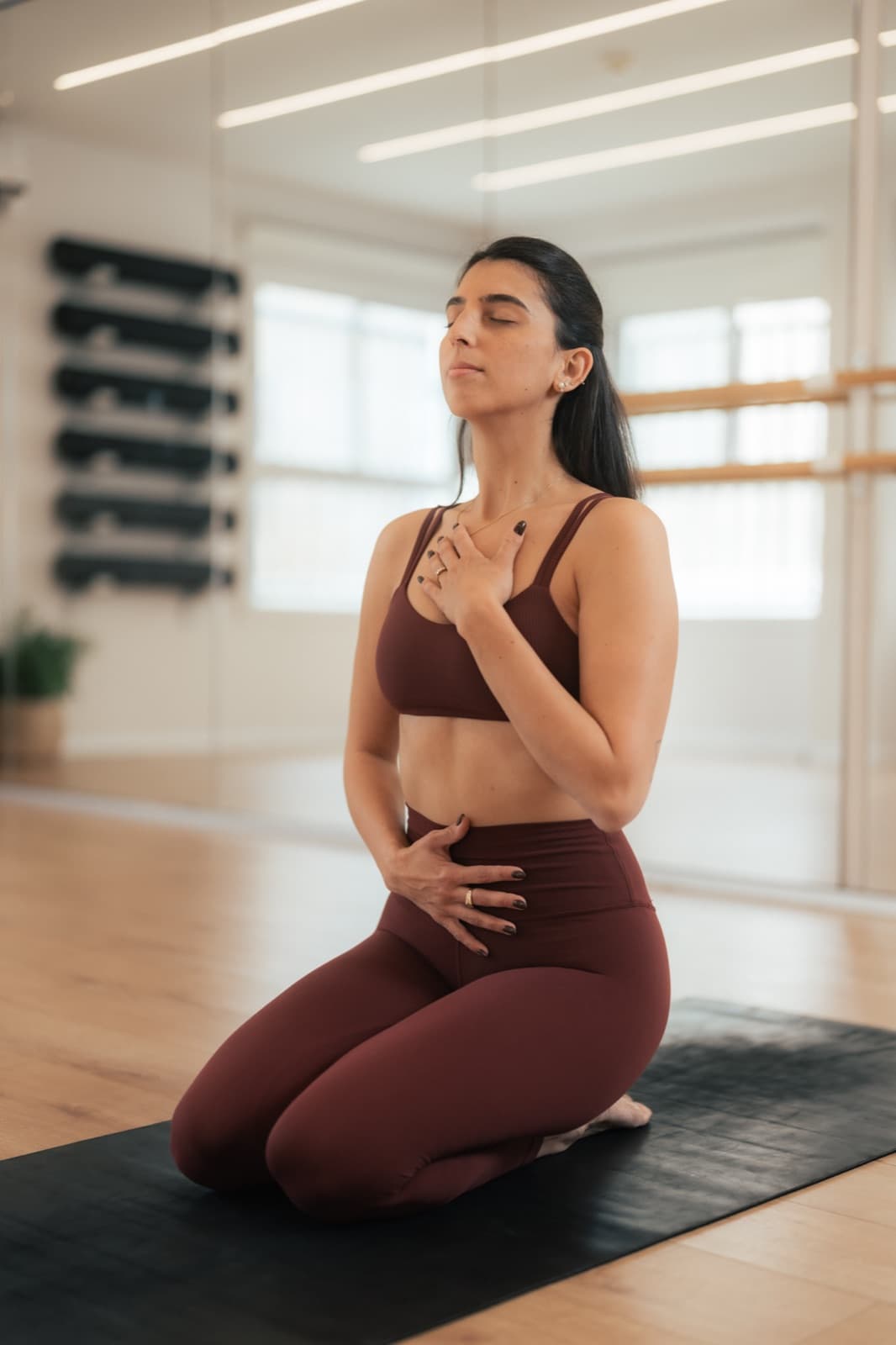
In the era we live in – the intensity, the rush, the overload and the surreal reality that keeps surprising us in a country like ours – body and mind almost always experience things differently, at a different pace. The mind races ahead, thinking about "what else needs to get done", while the body sometimes just asks us to listen. The balance between the two is a real condition for a steadier, calmer, healthier life – and that's exactly what we can cultivate through mindful movement, breath and grounding.
A short lesson in physiology
Two main nervous systems work in our body:
The somatic system – responsible for voluntary movement. When I decide to lift a leg, open a hand or go up into a bridge, it's what carries out the action.
The autonomic system – works like an autopilot, without us thinking about it at all: heart rate, breathing, digestion. Lots of things happening behind the scenes.
Within the autonomic system there are two main "modes":
System
Role
The sympathetic system
Survival mode. Fight / flight. Heart rate rises, breathing speeds up, the body mobilises for action.
The parasympathetic system
Healing and recovery mode. Rest / digest. Digestion works, breathing deepens, the immune system is free to do its job.
Our daily life pushes us into the sympathetic mode for far too long – even when we're sitting at a computer rather than running from a predator like early humans. That's what creates burnout, constant alertness and a tiredness that never really goes away.
So what actually calms the nervous system?
Let's start with what not to do: lazing around, avoiding and denying won't solve anything. It's fun to flop in front of the TV or scroll on the phone now and then, but real work is inner work – consciously shifting into a parasympathetic state.
You can make that happen physically through:
Slow breathing through the nose (a longer exhale than inhale)
A sense of weight – sitting with your feet steady on the ground, feeling the floor
Steady touch on the belly, chest or lower vertebrae
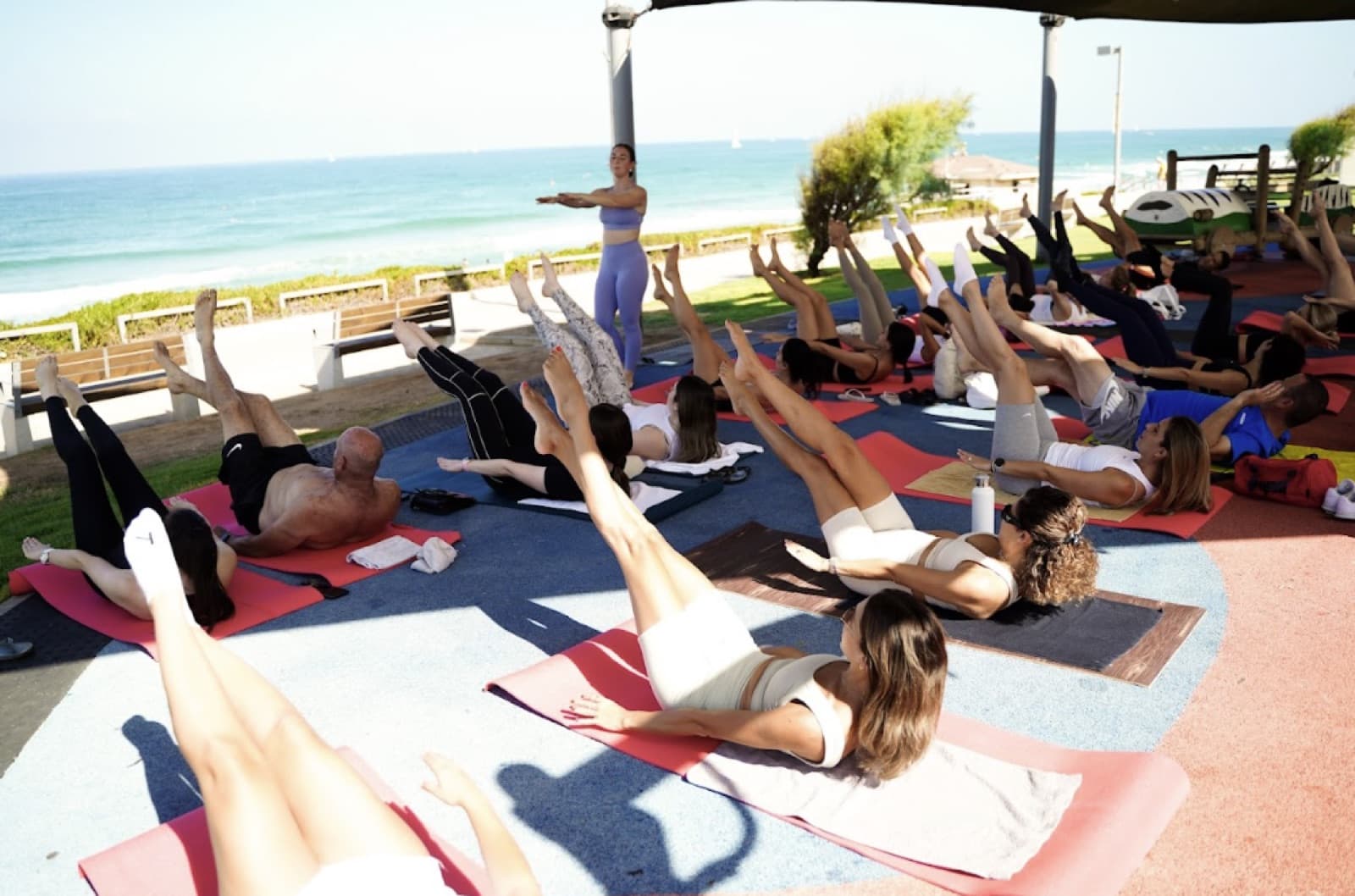
Slow, mindful movement – Pilates, yoga, gently shifting weight from side to side
A wide gaze – looking out wide, not into a screen or phone
Grounding – simply meeting your surroundings. Feeling the floor. Being present.
All of these help the brain understand: "We're safe. We can let go."
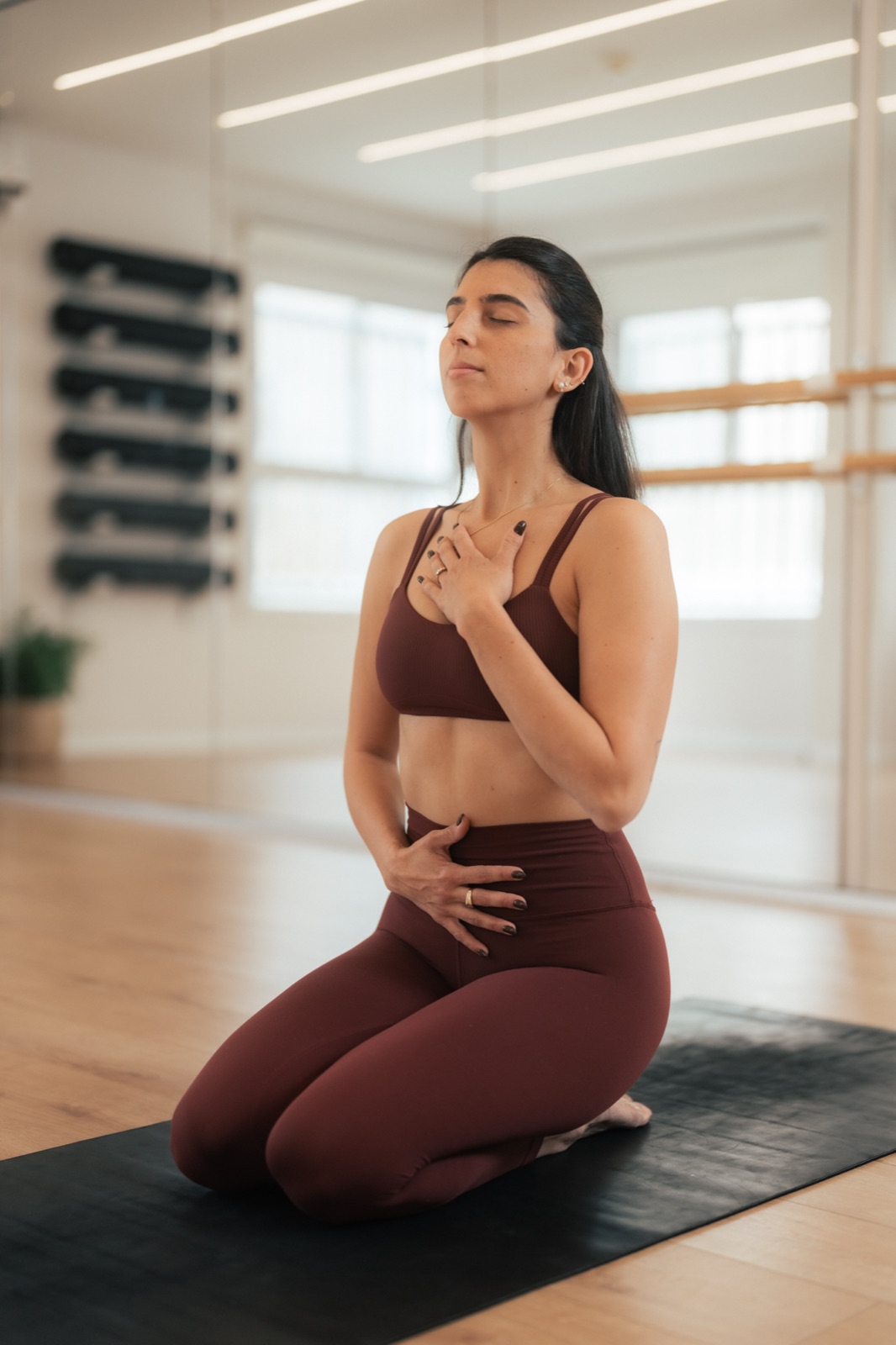
Grounding
Grounding sends a nervous signal that gives the brain back a sense of ease. It's an action that makes us present and in control of the situation. We often see other people – and ourselves – "floating", forgetful, like a kind of "astronaut", and feel we need to get our feet back on the ground. Indeed, grounding gives us back a sense of control and connection. At the studio too, especially in yoga, we make sure to remind you how important grounding is – how hard it is to grow and keep ourselves balanced without it. Together we remember to spread our feet on the mat, breathe and connect to the moment.
So how do you ground yourself?
Stand barefoot on the floor
Feel your weight melting downward
Notice: what feels stable right now?
What does it look like in daily life?
Not only in training.
Before an important meeting? Take two deliberate breaths, feet on the floor.
While walking – try to match your breath to your pace.
Before sleep – place one hand on your chest and one on your belly, breathe, and turn the inner volume down.
When we start giving mental health a place as an equal partner to the body, things begin to balance out. Slowly, the space between automatic reaction and conscious choice widens, and our understanding of ourselves grows.
More from the journal
· 2 min read
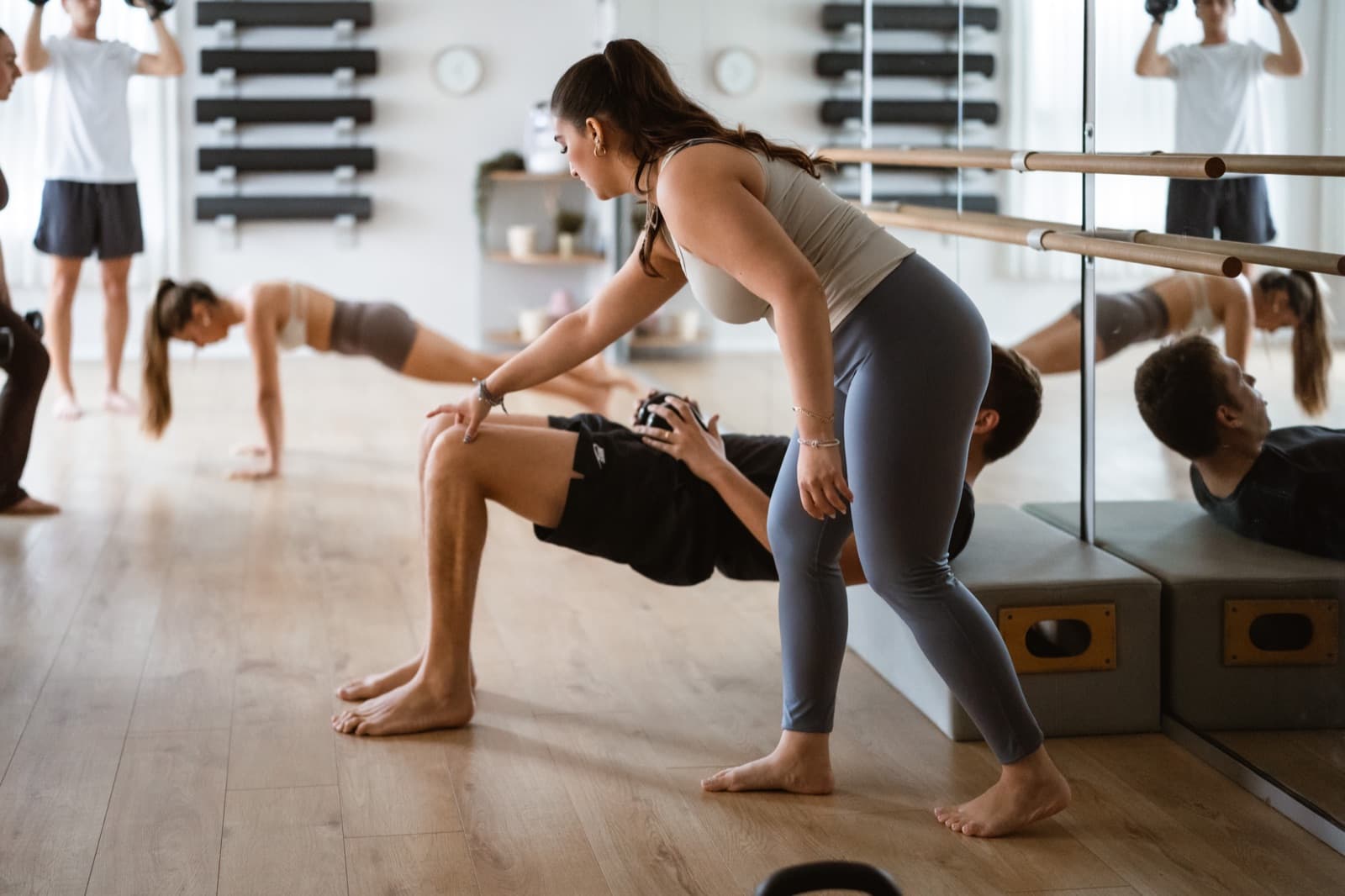
If I didn't sweat, does it still count as a workout?
You know that moment when you leave the studio, look in the mirror and suddenly think:
· 3 min read
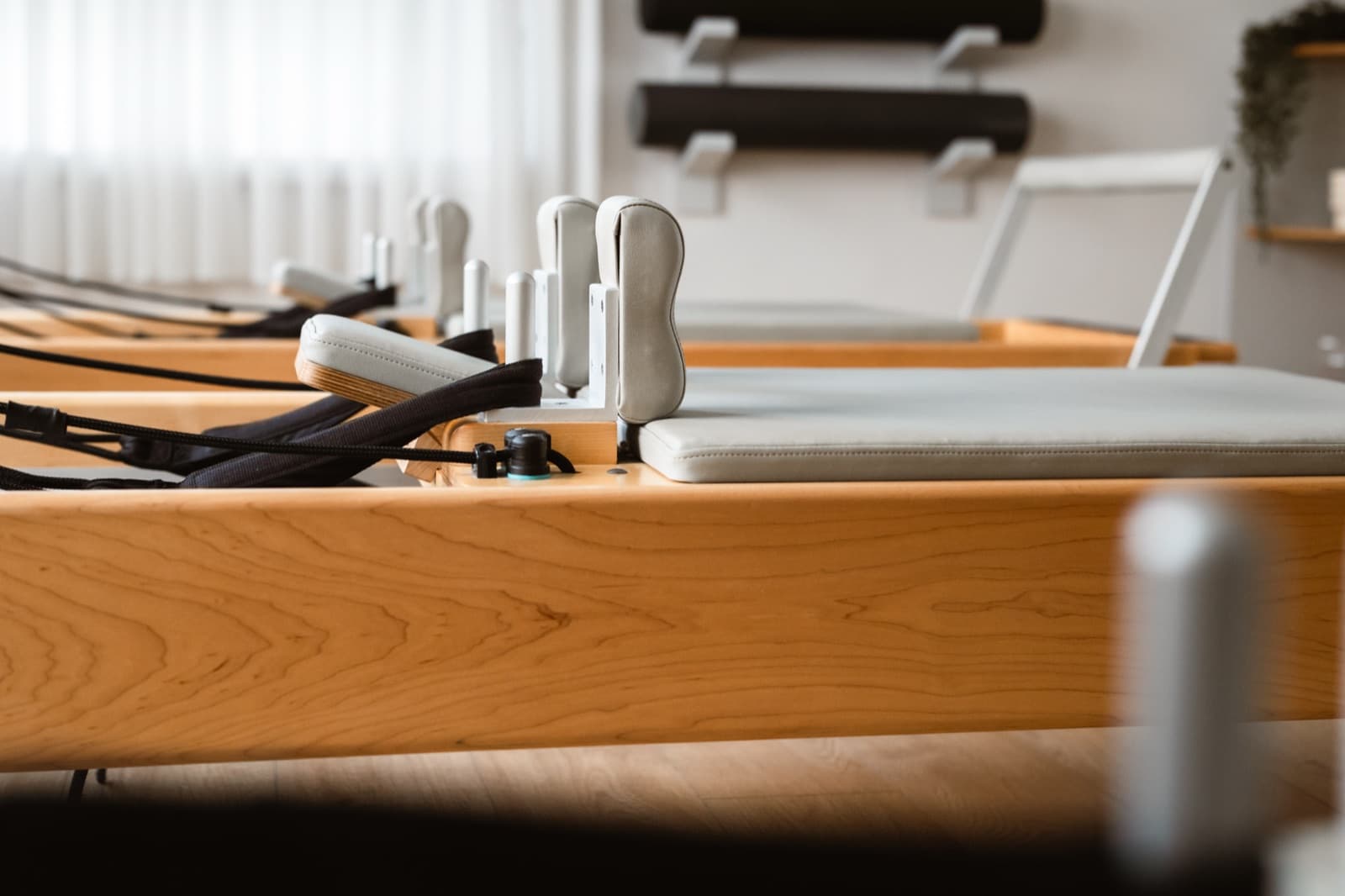
My doctor told me to start Pilates
The information in this post is based on my personal and professional experience and is not a substitute for medical, physiotherapy or any other professional advice. For any medical question or limitation, consult your doctor or treating professional.
· 2 min read
Family movement
The summer holidays bring plenty of challenges – routine, screen time and the endless search for something to do – but also a great opportunity: family quality time that doesn't have to mean screens or another trip to an air-conditioned mall with junk food.