
For women only: how is the menstrual cycle connected to exercise?
By Bar Berman · · 3 min read
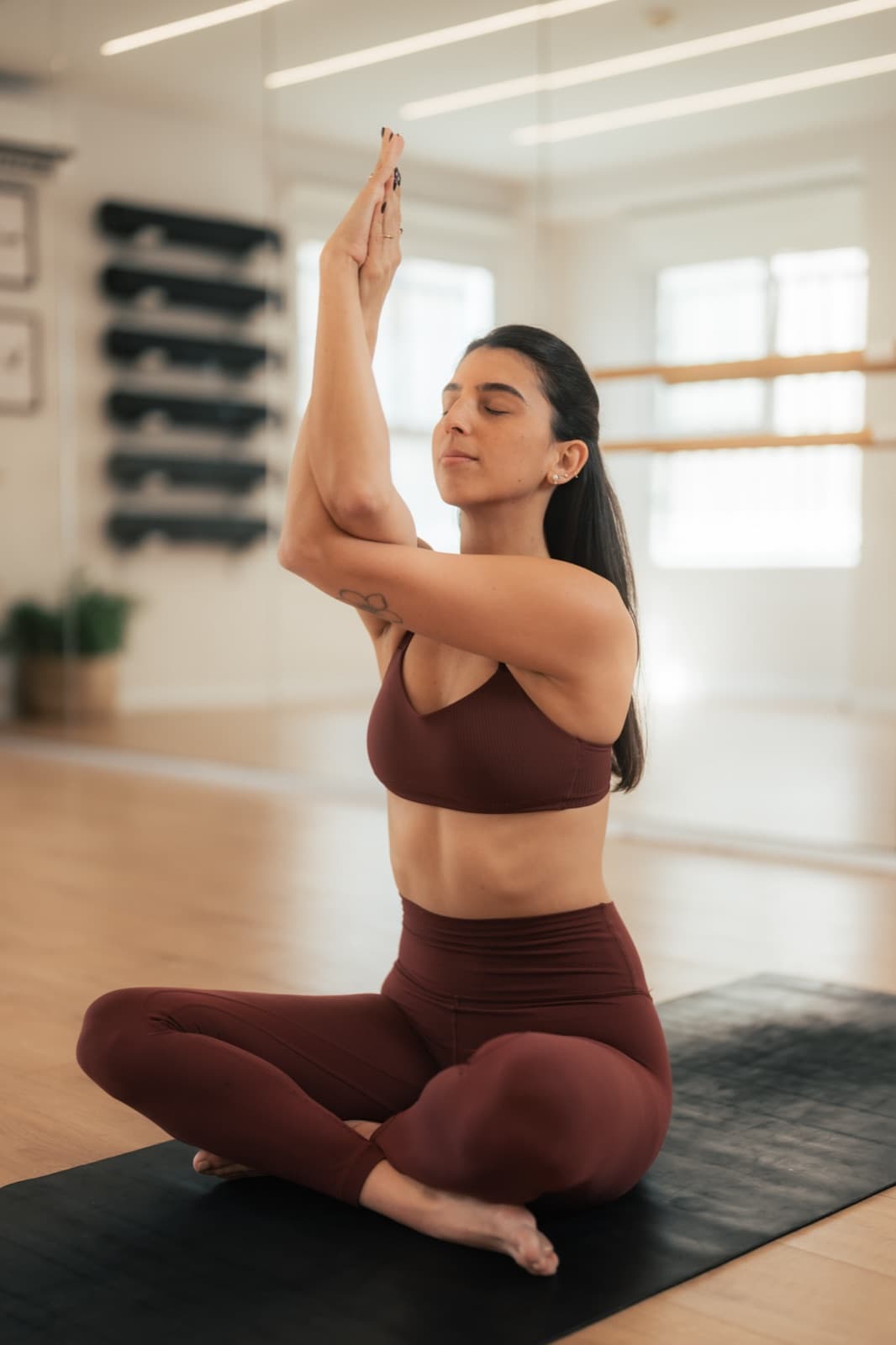
The menstrual cycle affects a woman's body on many levels, including energy, mood and physical strength. Knowing the phases of the cycle and understanding the physiological changes our body goes through in each one can help us adapt our training routine and stay at our healthiest. In this post we'll go through every phase of the cycle, understand the changes happening in the body, suggest suitable exercise for each phase – and see why that isn't the only thing that should guide us!
Before we dive into each phase, let's get to know the hormones that accompany us throughout. Remember that the menstrual cycle revolves around preparing the uterus to receive an embryo (a fertilised egg), and shedding its lining when that doesn't happen (a kind of reset button, every time):
Oestrogen – a hormone produced mainly in the ovaries that thickens the uterine lining to prepare it for a fertilised egg. It also lifts mood, boosts energy and affects our memory and cognitive abilities!
Progesterone – after ovulation, the ovaries start producing progesterone (pro = for, gestation = pregnancy). As its name suggests, it's the hormone that supports pregnancy. It helps maintain the uterine lining and support a pregnancy if the egg is fertilised, and it also affects feelings of calm and tiredness.
Follicle-stimulating hormone (FSH) – tells the ovaries to start maturing new eggs (ahead of ovulation).
Luteinising hormone (LH) – triggers the release of a mature egg from the ovary at ovulation.
Menstruation (days 1–5)
In this phase hormone levels are low, and we may feel tired or weak because oestrogen and progesterone are at their lowest and the uterus is shedding what it built during the month. Even so, light exercise can help reduce pain and other symptoms.
At this stage many women prefer stretching, gentle yoga or easy walks.
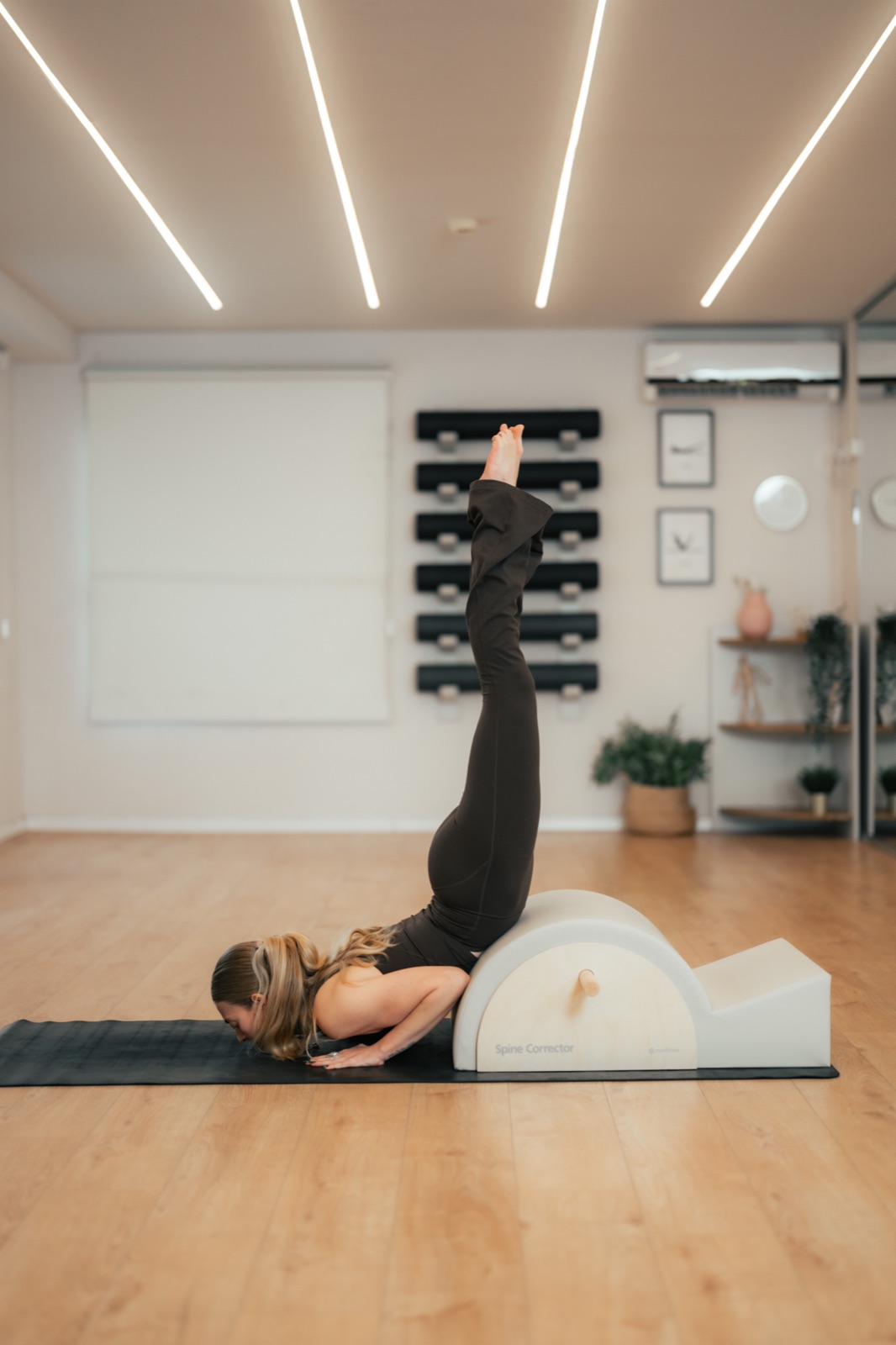
There's a belief that inversions such as headstands shouldn't be done during menstruation. It comes from seeing the period as a process of cleansing and clearing the body, and the idea that inversions might slow it down. It's important to note that this belief has never been tested or confirmed by research – but we believe every woman should choose what feels comfortable and pleasant for her, so listen to your body and avoid these poses if they cause discomfort.
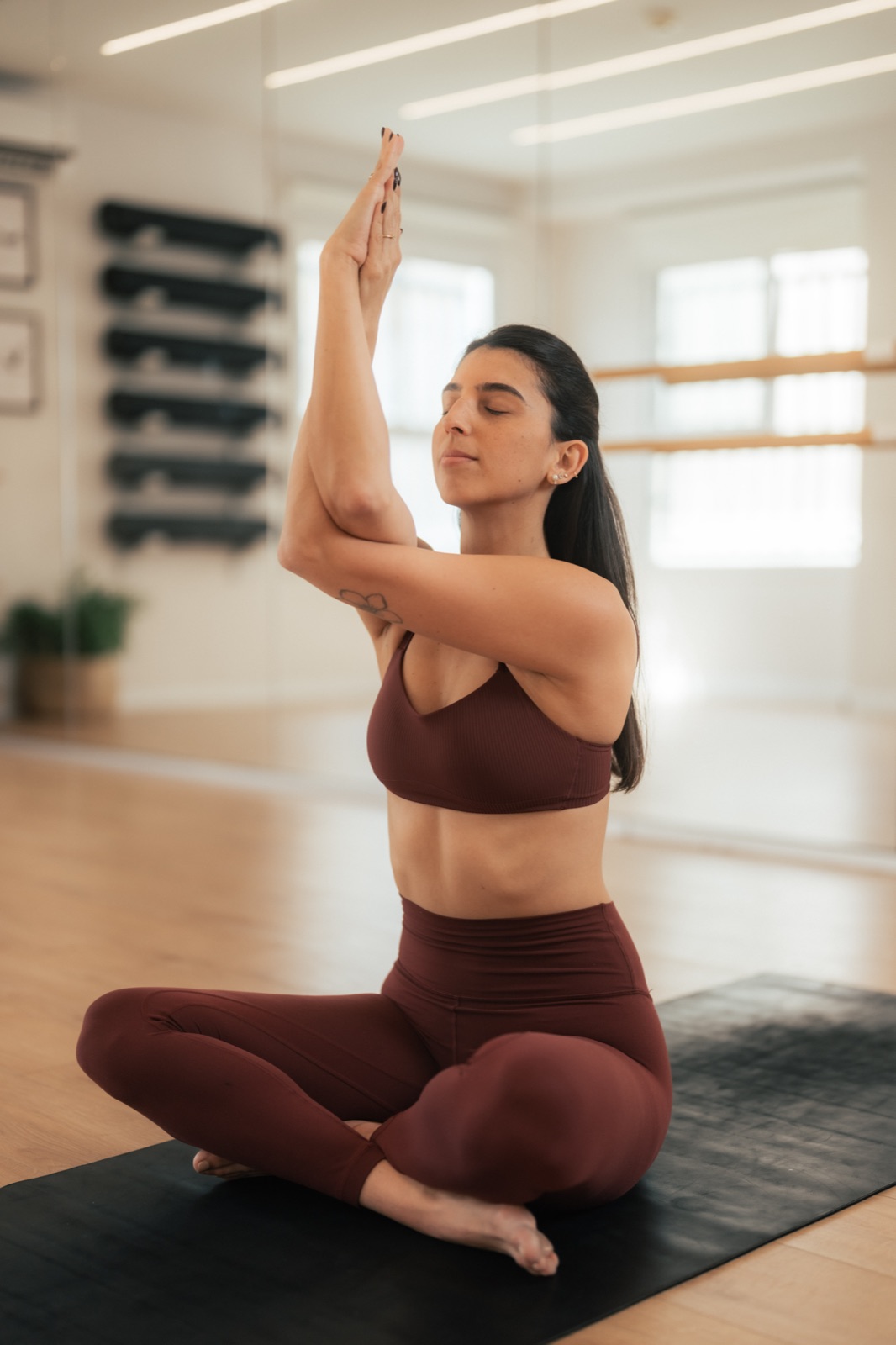
The follicular phase (days 6–11)
In this phase the body fills with energy – oestrogen rises and we feel stronger every day. The gradual rise in oestrogen also improves mood and boosts energy.
Women around the world report preferring more intense workouts at this time, such as HIIT, cardio, running and strength training. It's a great time to make the most of your high energy and go conquer the world.
Ovulation (days 12–16)
During this phase hormone levels peak – and we feel it! Energy is high and we're flying. Oestrogen and LH are at their peak, the ovary releases an egg, and we feel vital and strong.
It's easy to keep up intense workouts in this phase, just like in the follicular phase. You can also add group classes or social activities that are fun and full of energy.
The luteal phase (days 17–28)
In this phase the body prepares for the next period: progesterone rises, and we may feel more tired and sensitive as the phase goes on. Progesterone rises while oestrogen gradually falls, which can lead to mood changes, bloating or fatigue.
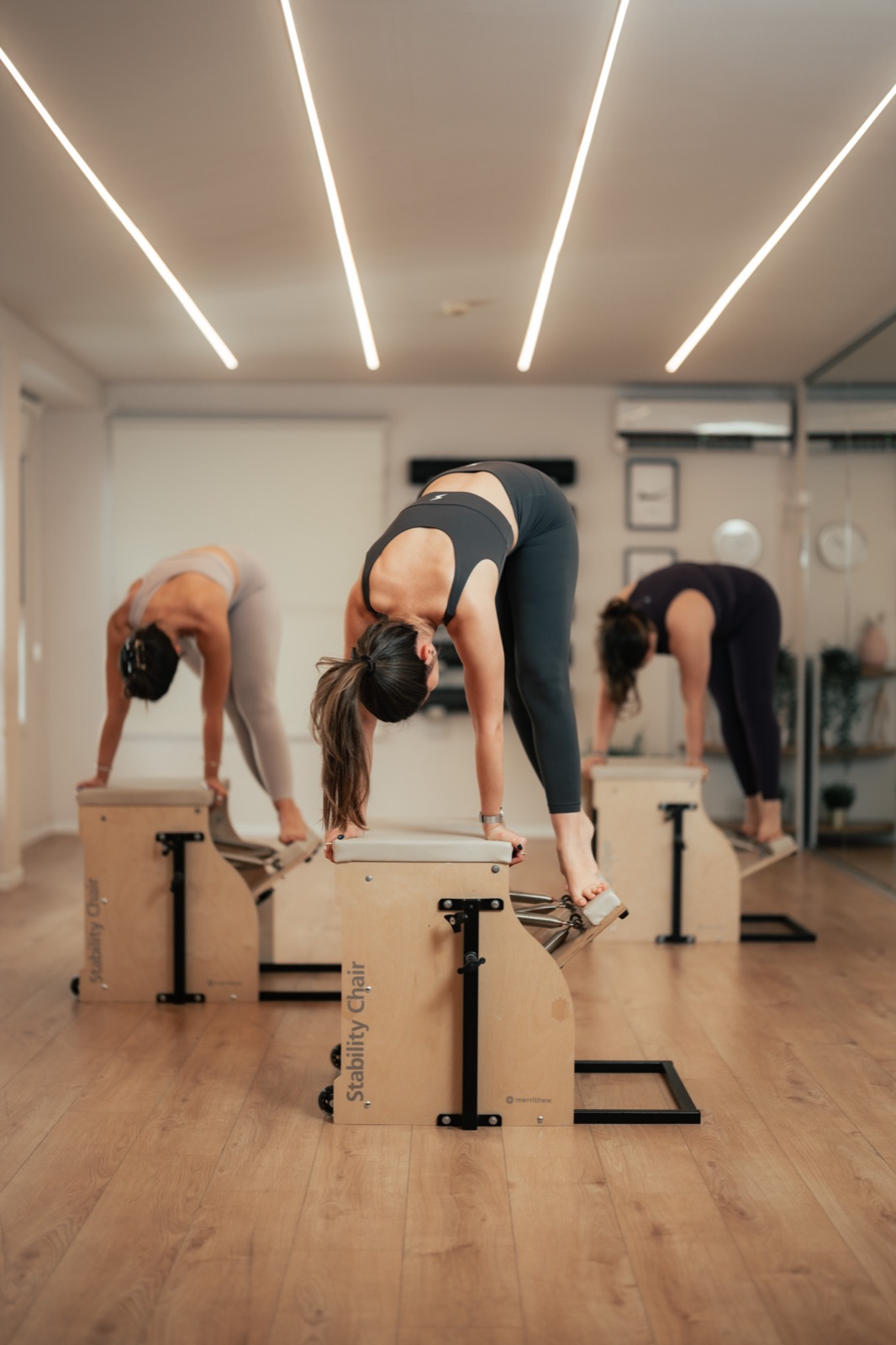
Moderate workouts such as Pilates, yoga, long walks or swimming do the job well here. Listen to your body and avoid intense workouts if they feel like too much.
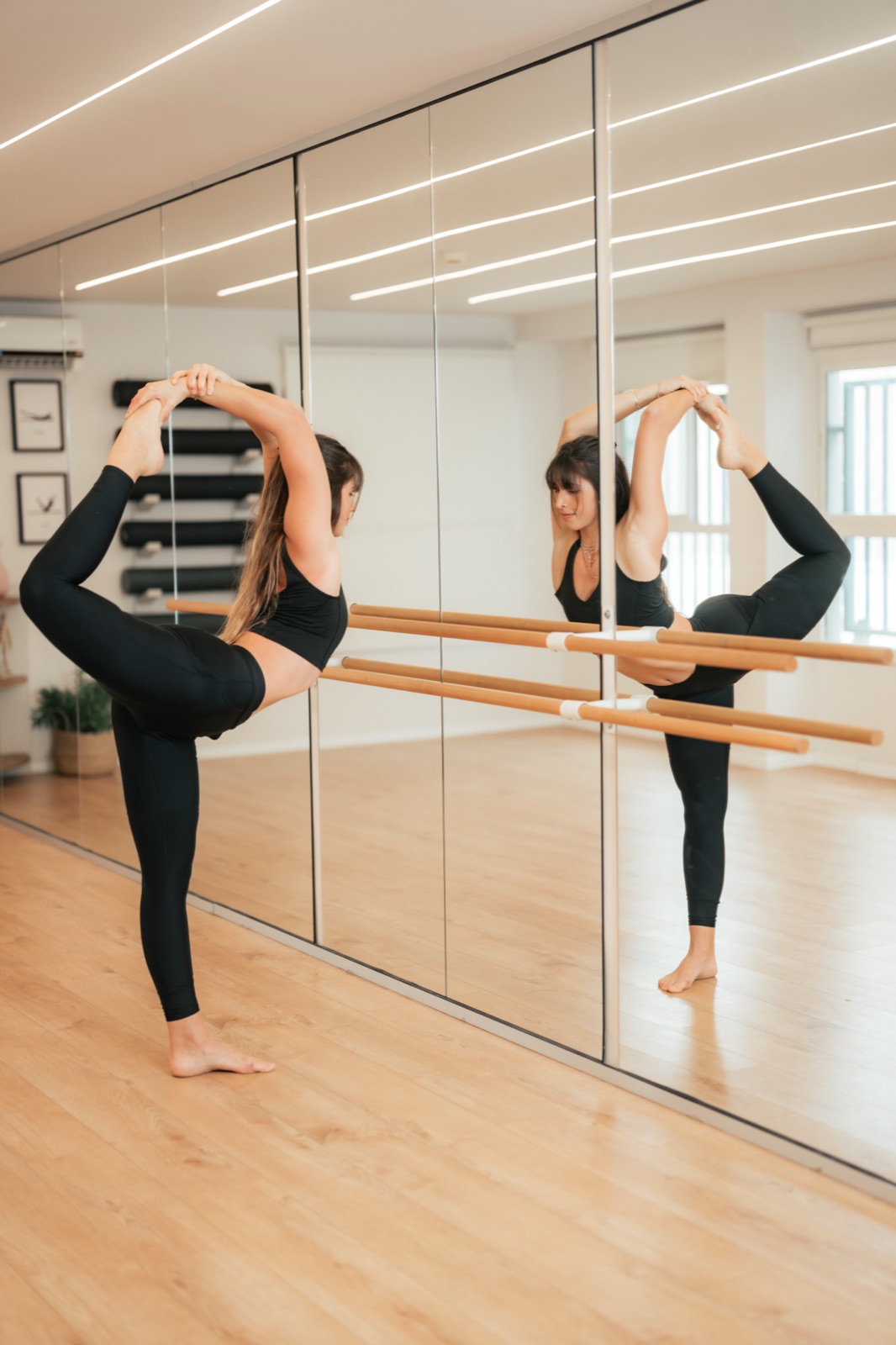
So what's the most important takeaway?
Despite all the recommendations for each phase, the most important thing is to listen to our body every single day. Our feelings and needs change from day to day, sometimes even from hour to hour. We should pay attention to our energy, strength and mood, and adjust our exercise accordingly. We train to feel strong and enjoy ourselves, and we shouldn't do anything that goes against that. Don't let the phases of your cycle dictate your training routine completely – instead, focus on listening to your body and doing what feels right in each moment.
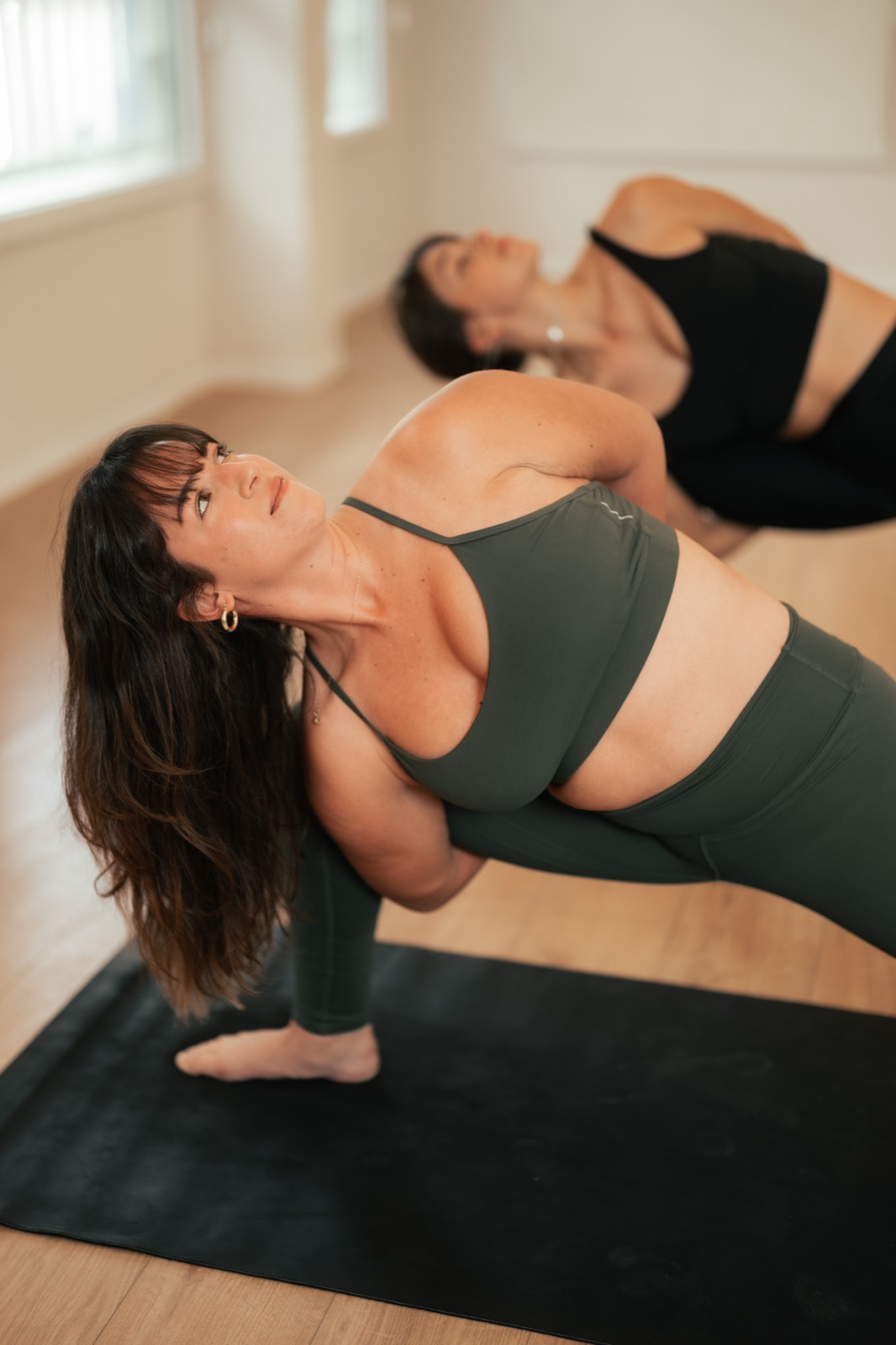
The menstrual cycle is a natural part of our lives, and knowing the physiological changes in each phase can help us adapt our training. Listen to your body, adjust the load and type of activity to your personal needs, and make sure to rest and recover when needed. That way we can keep a balanced, healthy exercise routine all month long.
More from the journal
· 2 min read
If I didn't sweat, does it still count as a workout?
You know that moment when you leave the studio, look in the mirror and suddenly think:
· 3 min read
My doctor told me to start Pilates
The information in this post is based on my personal and professional experience and is not a substitute for medical, physiotherapy or any other professional advice. For any medical question or limitation, consult your doctor or treating professional.
· 2 min read
Family movement
The summer holidays bring plenty of challenges – routine, screen time and the endless search for something to do – but also a great opportunity: family quality time that doesn't have to mean screens or another trip to an air-conditioned mall with junk food.