
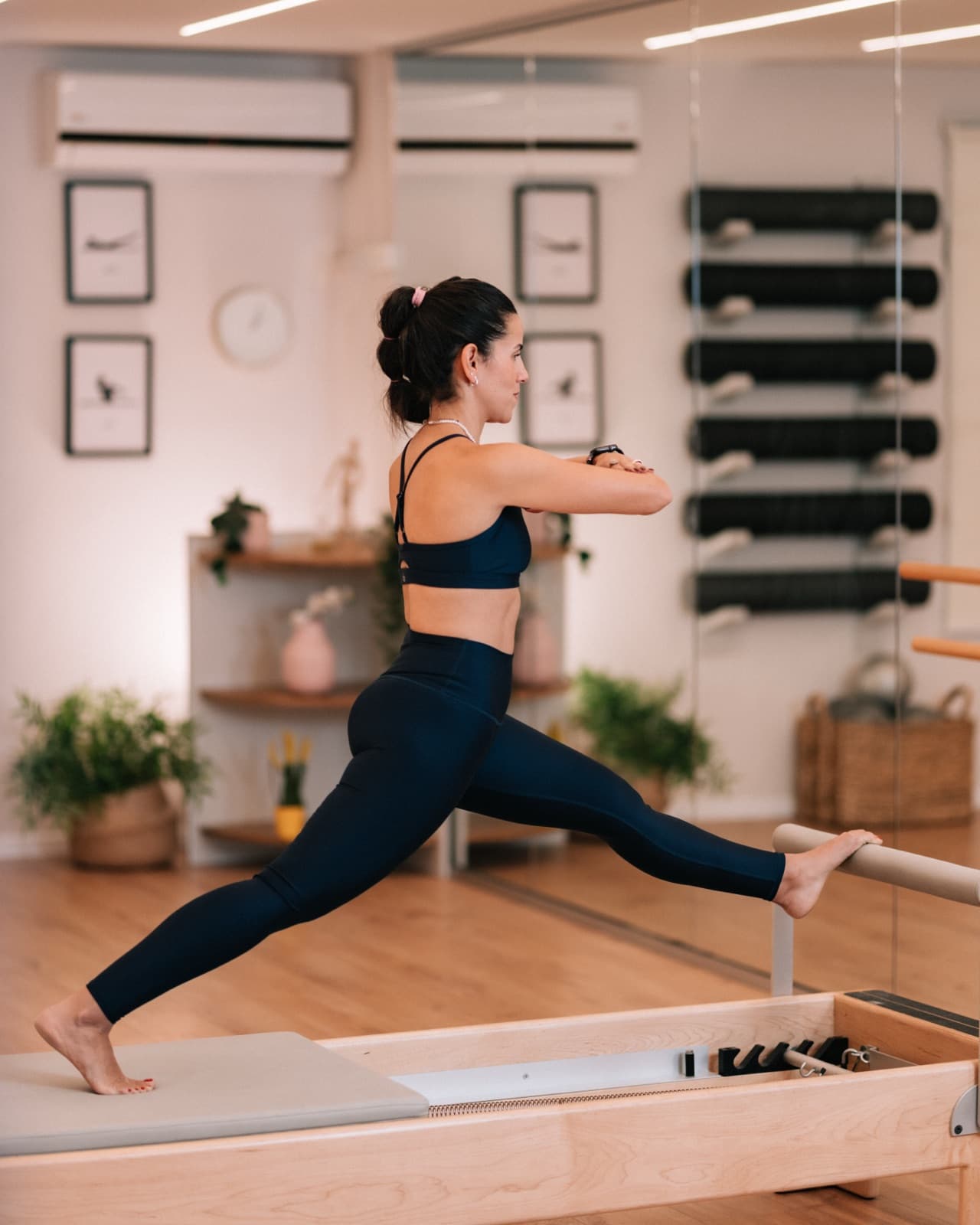
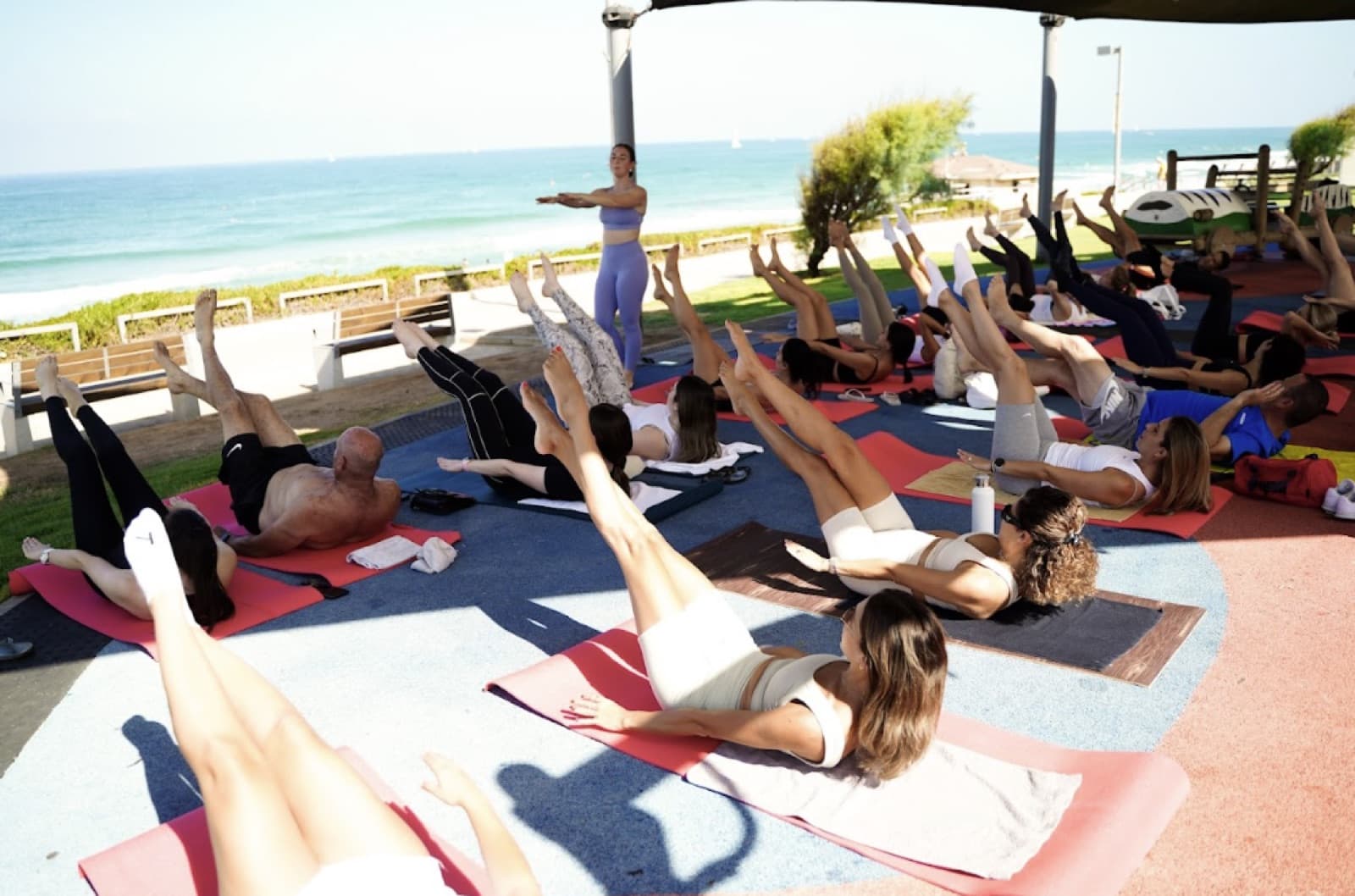
Looking for a way to improve your flexibility? Pilates! This method is a wonderful way to increase your range of motion and improve your overall fitness. In this post we'll look at how Pilates helps flexibility, and share a few tips for getting the most out of your practice.
Pilates emphasises correct alignment
One of the key principles of Pilates is correct alignment of the body. To do each exercise properly, you need to engage the right muscles and keep a neutral spine. This focus on alignment helps stretch and lengthen the muscles, which can lead to better flexibility over time. By focusing on form and technique, Pilates helps you become more flexible without giving up correct alignment.
Pilates targets specific muscle groups
Another way Pilates can improve your flexibility is by targeting specific muscle groups. Many Pilates exercises are designed to isolate and stretch particular muscles, such as the hamstrings, hip flexors and the muscles along the spine. By focusing on these areas, you can increase your range of motion and improve flexibility over time.
Pilates combines a variety of stretching techniques
These include dynamic stretches, static stretches and active stretches. Dynamic stretching involves moving through a range of motion, while static stretching means holding a stretch for a period of time. Active stretching involves contracting one muscle group while stretching another. By combining these techniques, Pilates can improve flexibility in many ways.
And as promised – tips for getting the most out of your practice
Start slowly: if you're new to Pilates or haven't trained for a while, start slowly and build strength and flexibility gradually. Trying to do too much too soon can lead to injury or burnout.
Focus on form: as we mentioned, correct form and technique are essential to getting the most out of Pilates. Pay attention to your alignment and engage the right muscles in each exercise.
Use props: Pilates props such as blocks, straps and balls can enhance your practice and deepen your stretches. At our studio we always combine different props to keep classes varied!
Consistency: this is the key to improving flexibility. Practise at least two or three times a week to see results.
Convinced? Want to improve your flexibility with a class? Here's when you can book one. Need more information? Take a look at our Pilates page.
More from the journal
· 2 min read
If I didn't sweat, does it still count as a workout?
You know that moment when you leave the studio, look in the mirror and suddenly think:
· 3 min read
My doctor told me to start Pilates
The information in this post is based on my personal and professional experience and is not a substitute for medical, physiotherapy or any other professional advice. For any medical question or limitation, consult your doctor or treating professional.
· 2 min read
Family movement
The summer holidays bring plenty of challenges – routine, screen time and the endless search for something to do – but also a great opportunity: family quality time that doesn't have to mean screens or another trip to an air-conditioned mall with junk food.