
Does Pilates tone? And is that the question you should be asking us?
By Bar Berman · · 2 min read
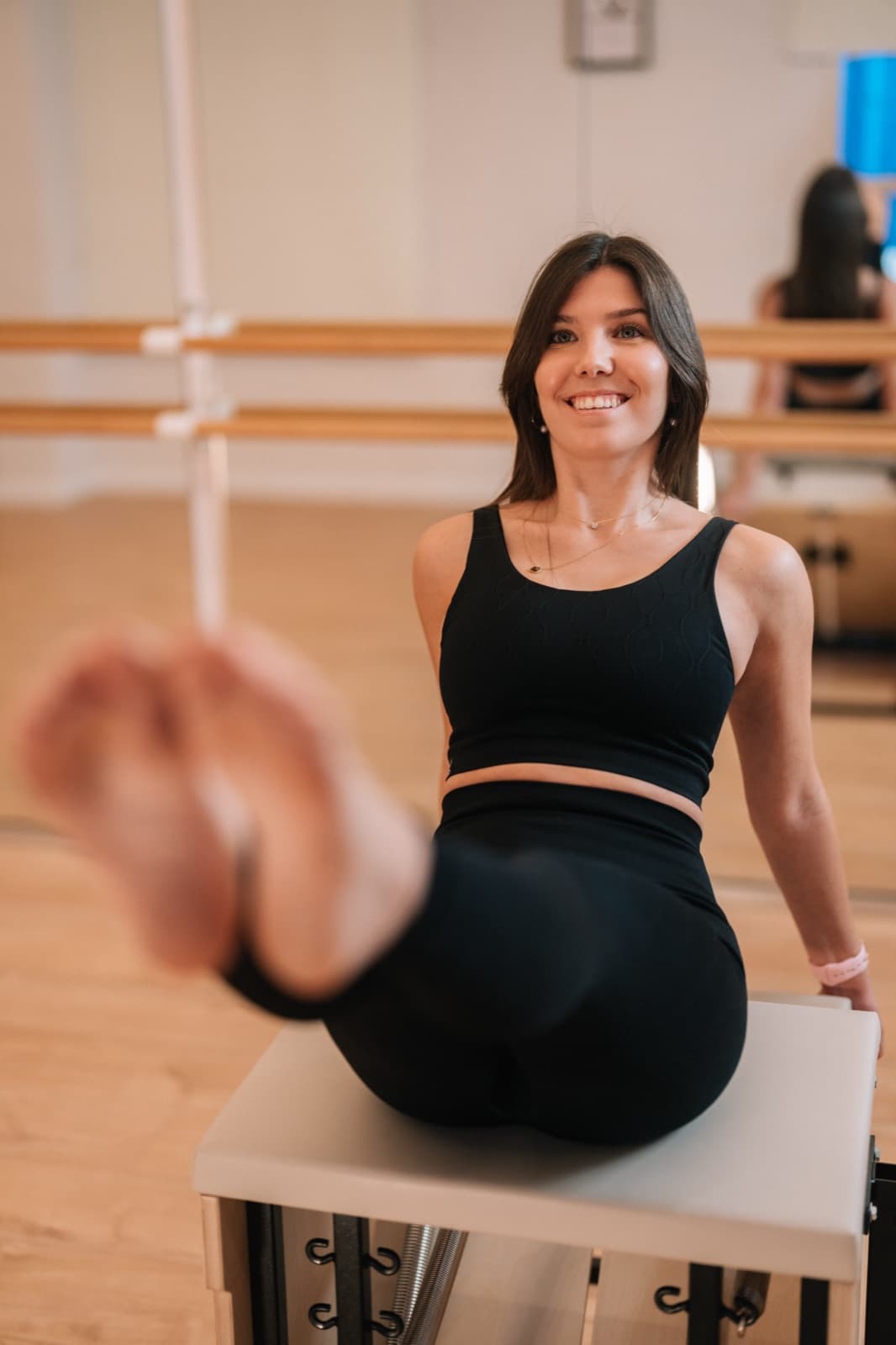
Many people who talk to us before they start training ask, "Does Pilates tone?"
Well, Pilates certainly tones – especially if you stick with it and come regularly – but we don't think that's the question you should be asking us!
The question you probably should be asking is: "What are the benefits of Pilates for our life?"
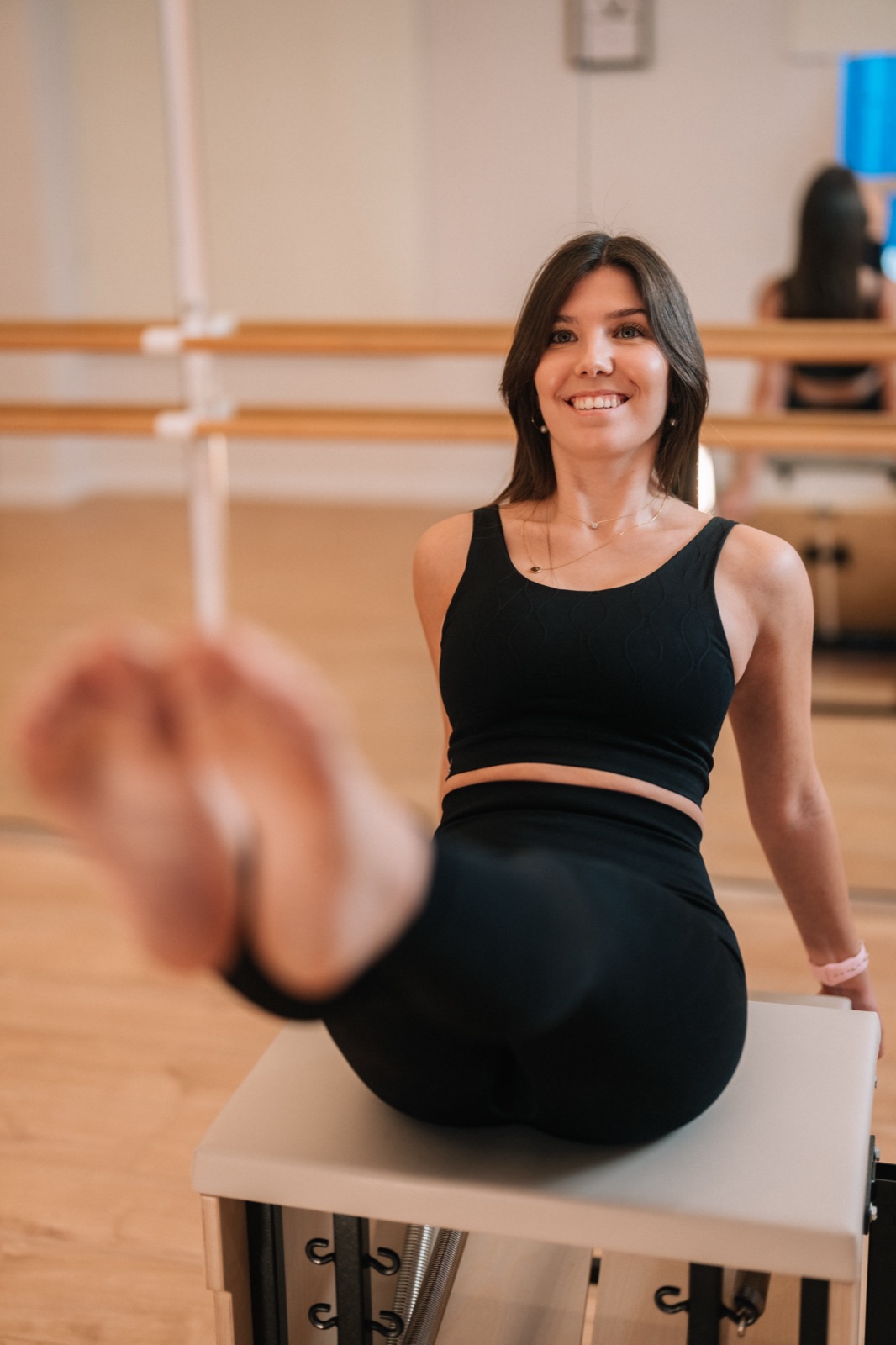
Pilates is a form of exercise that offers many physical and mental benefits. The method, developed by Joseph Pilates in the early 20th century, focuses on strengthening the core, improving flexibility and promoting overall body awareness.
Here are some of the main benefits of practising Pilates:
Core strength: Pilates places strong emphasis on the core – the muscles around the abdomen and back that improve stability and overall strength.
Better flexibility: Pilates includes stretching exercises that improve range of motion, make everyday activities easier and reduce the risk of injury.
Better posture: Pilates encourages correct alignment, which reduces the load on the spine and muscles.
Improved balance and coordination: Pilates exercises involve balance-challenging movements, which can be especially helpful for older adults and people recovering from injury.
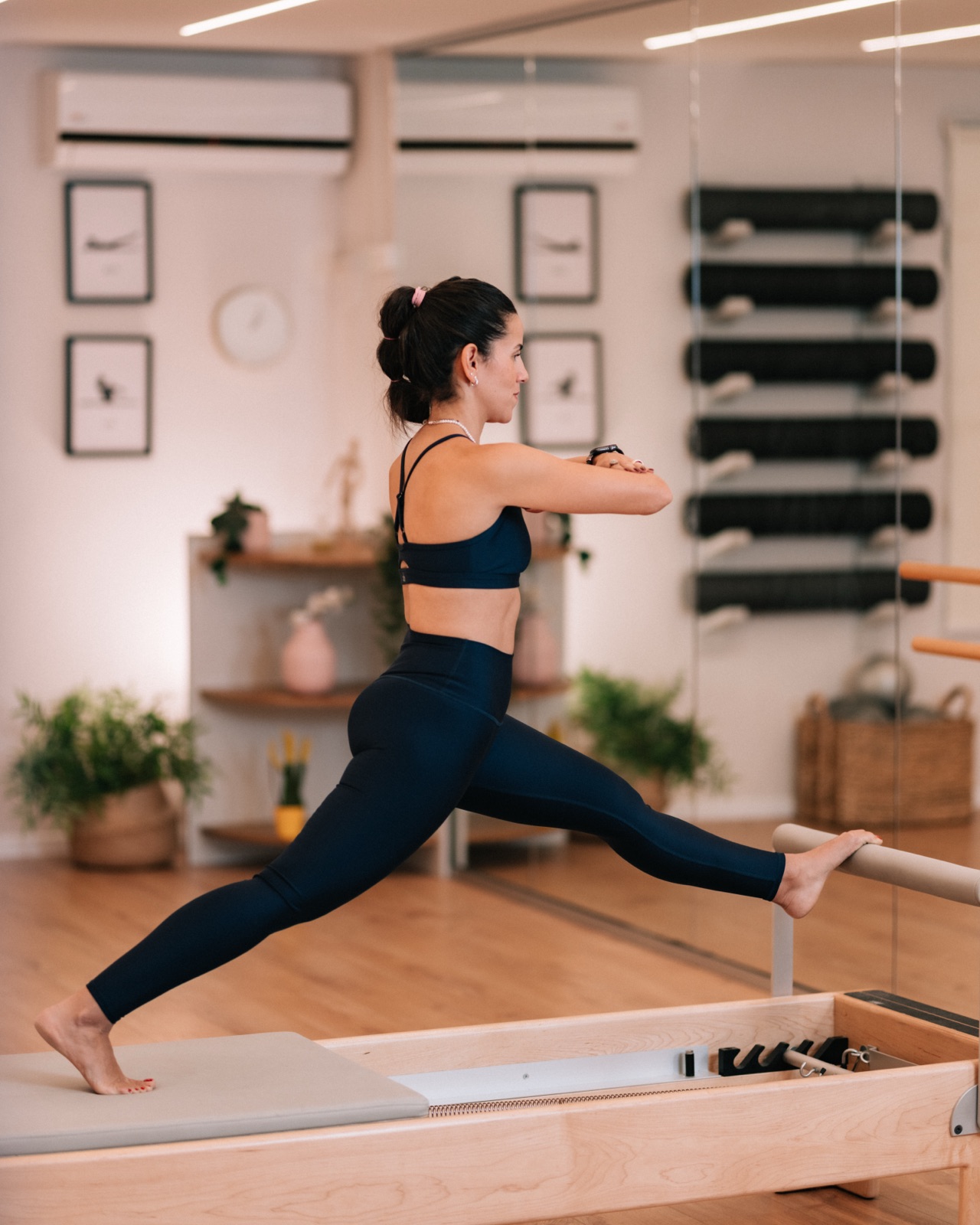
Injury prevention: by strengthening the core and improving flexibility, Pilates can help prevent injuries, especially in athletes and people with physically demanding jobs.
Stress relief: the mindful, controlled nature of Pilates exercises can promote relaxation, benefiting mental and physical wellbeing alike.
Better breathing: Pilates emphasises correct breathing techniques, which can improve lung capacity, the body's oxygenation and overall respiratory health.
Rehabilitation: Pilates is often used in physiotherapy to help people recover from injuries and surgery, especially for problems related to the spine and joints.
Body awareness: Pilates can help identify and correct movement imbalances and muscle weaknesses.
Mind–body connection: Pilates highlights the connection between the two, promoting mental focus and concentration during workouts.
It's worth noting that the benefits of Pilates can vary from person to person, depending on personal goals, consistency and commitment, as well as the specific style of Pilates and the individual. To experience these benefits, we invite you to train with us at the studio and get to know your body from a new angle.
Maybe afterwards you'll discover that toning isn't the most important goal for you at all…
More from the journal
· 2 min read
If I didn't sweat, does it still count as a workout?
You know that moment when you leave the studio, look in the mirror and suddenly think:
· 3 min read
My doctor told me to start Pilates
The information in this post is based on my personal and professional experience and is not a substitute for medical, physiotherapy or any other professional advice. For any medical question or limitation, consult your doctor or treating professional.
· 2 min read
Family movement
The summer holidays bring plenty of challenges – routine, screen time and the endless search for something to do – but also a great opportunity: family quality time that doesn't have to mean screens or another trip to an air-conditioned mall with junk food.