
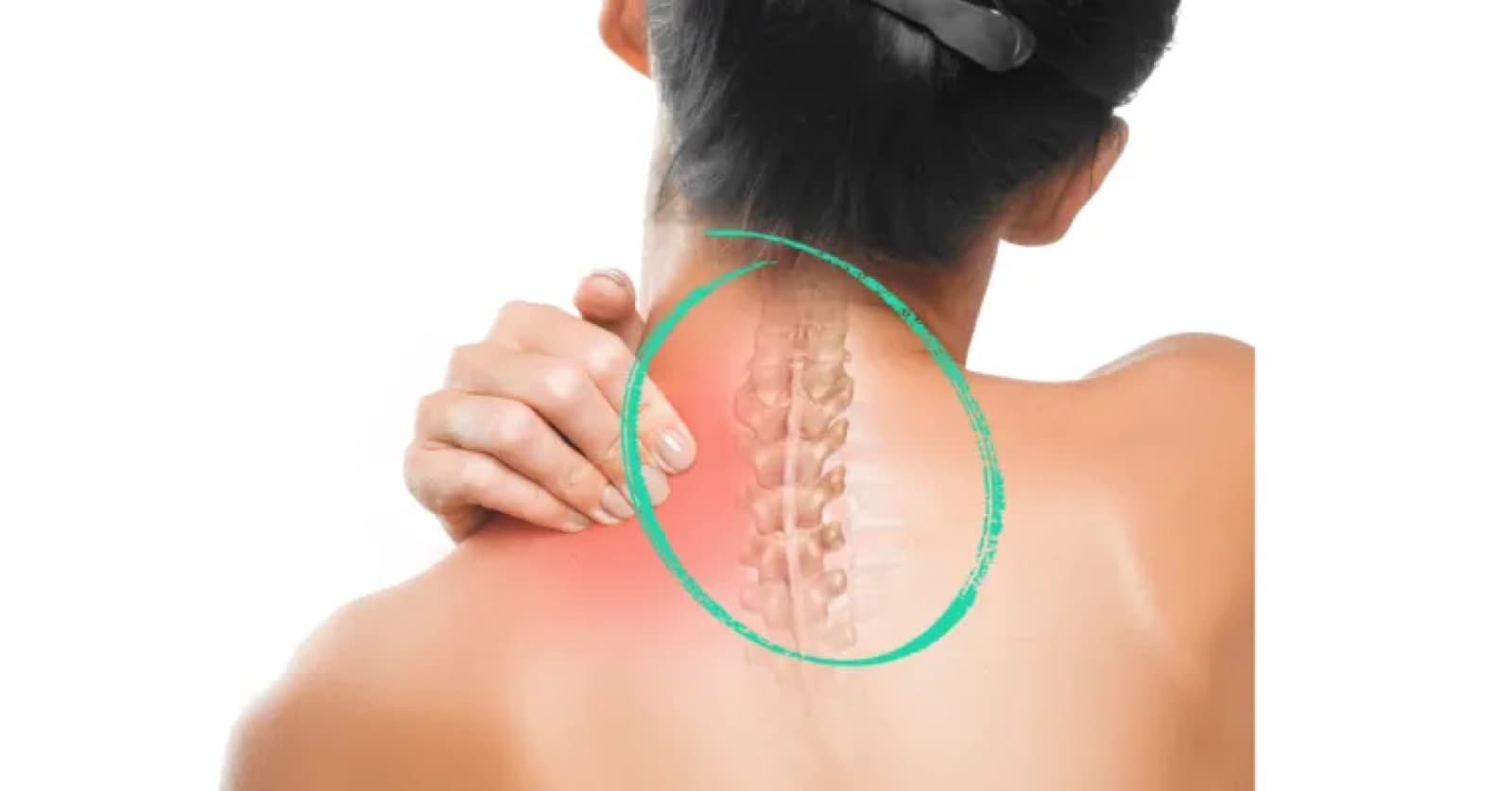
A herniated disc in the spine – also known as a slipped or ruptured disc – is a common condition affecting the spine. The spine is made of a series of vertebrae stacked on top of each other, and between each pair of vertebrae there are discs that act as cushions and shock absorbers.
A herniated disc happens when one of these discs is damaged or weakened, causing its inner core to push out through a crack or tear in the outer layer. This bulge can put pressure on nearby nerves, leading to various symptoms.
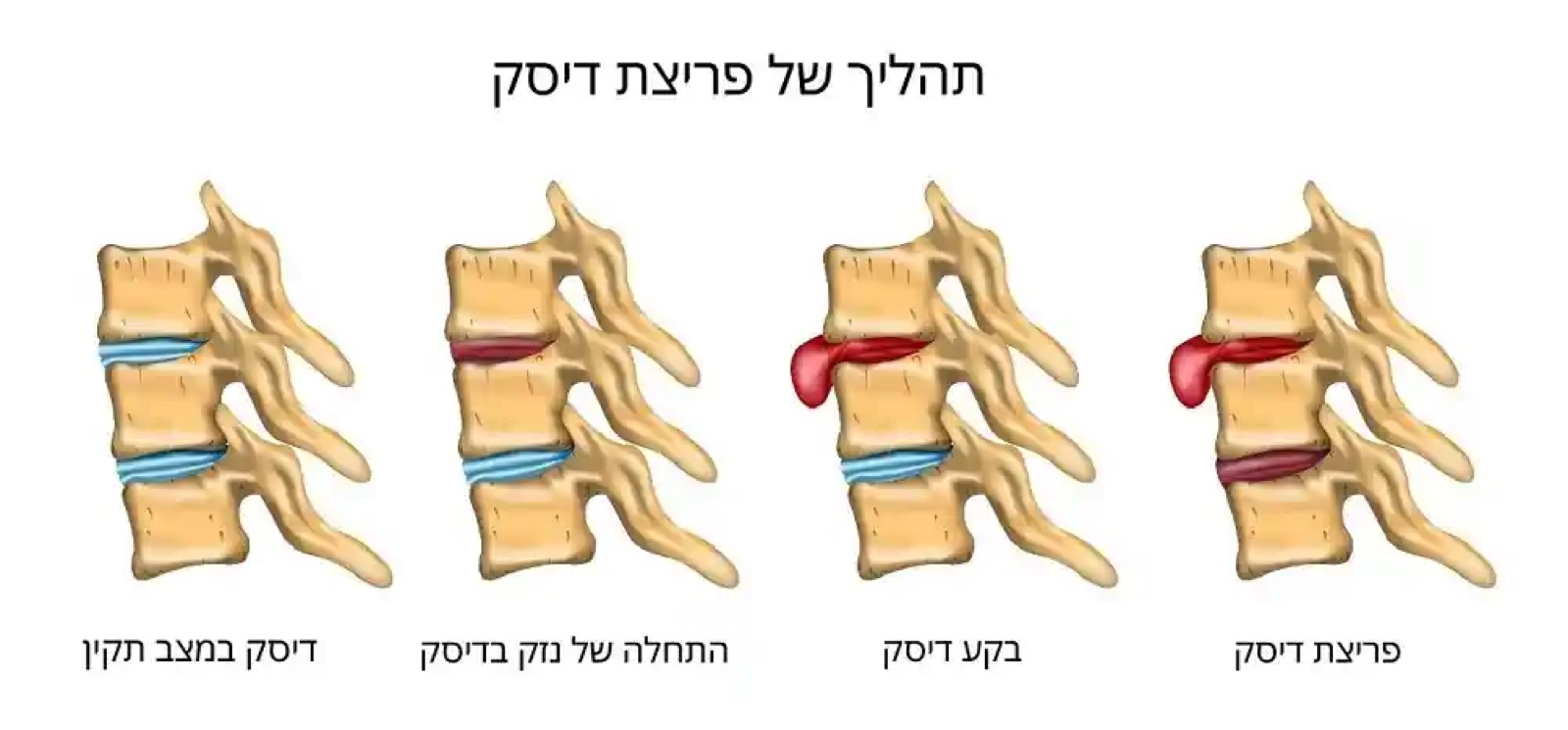
Common symptoms of a herniated disc include local pain, tingling or numbness, muscle weakness and changes in reflexes. The specific symptoms depend on where along the spine the herniation is. For example, a herniation in the lower back can cause pain and weakness in the legs, while one in the cervical spine (neck) can cause pain and tingling in the arms and hands.
Factors that can contribute to a herniated disc include ageing, degenerative changes in the spine, incorrect lifting or twisting, obesity and a sedentary lifestyle. Treatment options include rest, pain medication, physiotherapy and, in severe cases, even surgery.
If you're experiencing any symptoms, or suspect you have a herniated disc, it's important to consult a doctor for an accurate diagnosis and suitable treatment.
Pilates can benefit people with a herniated disc in several ways:
Core strength: Pilates places strong emphasis on the core, especially the muscles of the abdomen, back and pelvis. Strengthening these muscles can support the spine and help stabilise the affected area, reducing the load on the herniated disc.
Spinal alignment: Pilates exercises focus on correct posture. By improving posture, Pilates can help relieve pressure on the spine and promote good spinal positioning, reducing the risk of further injury and minimising the discomfort of the herniation.
Flexibility and mobility: Pilates combines gentle stretching and controlled movement that promote flexibility in the spine and surrounding muscles. Better flexibility can improve range of motion and reduce the pain and discomfort caused by the herniation.
Body awareness and movement control: through mindful movement you can learn to move in ways that avoid overloading the spine, which may reduce the risk of the herniation getting worse.
Low-impact exercise: Pilates is gentle on the joints, which can benefit people with a herniated disc because it reduces the risk of additional stress or injury to the affected area.
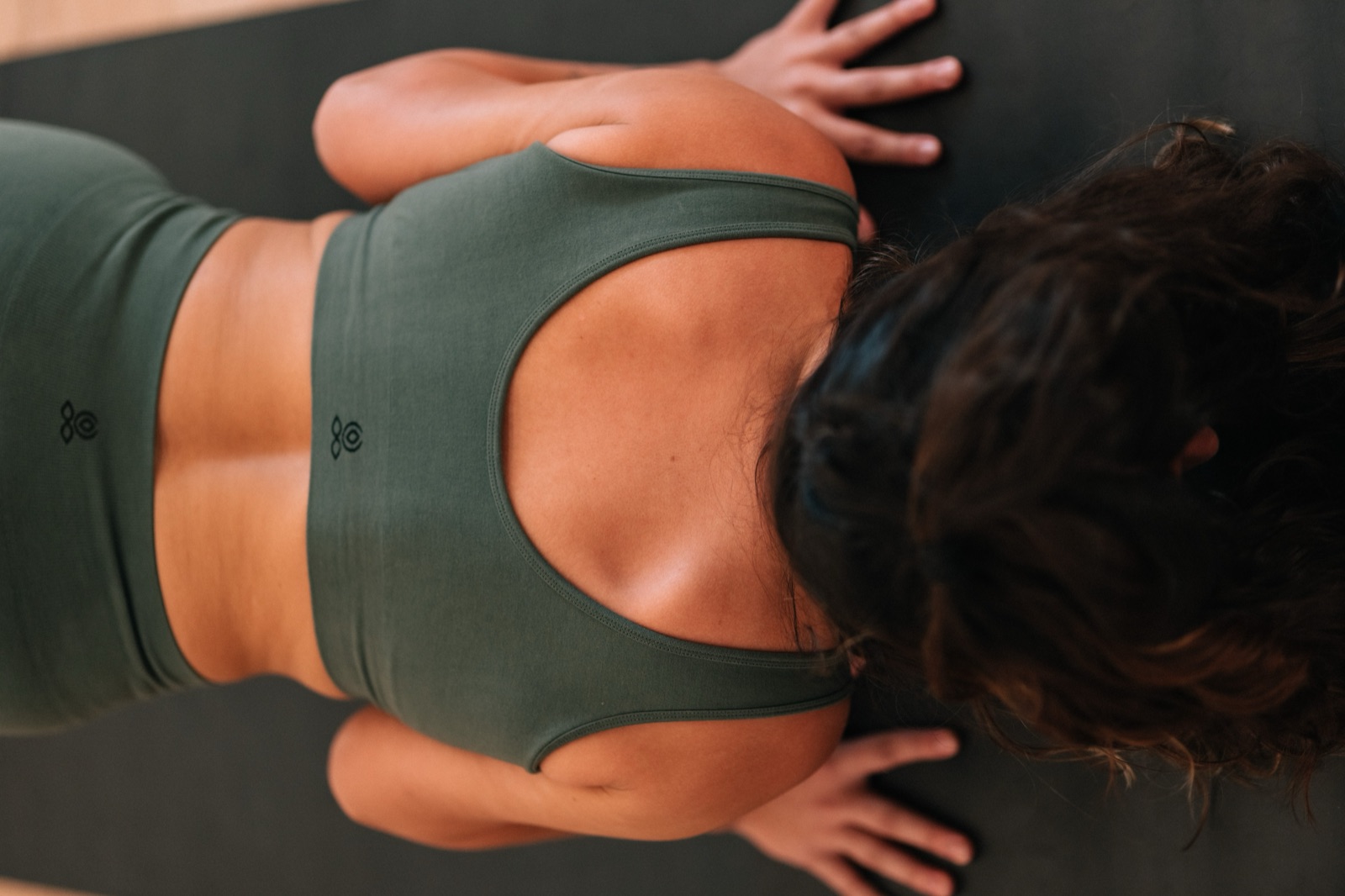
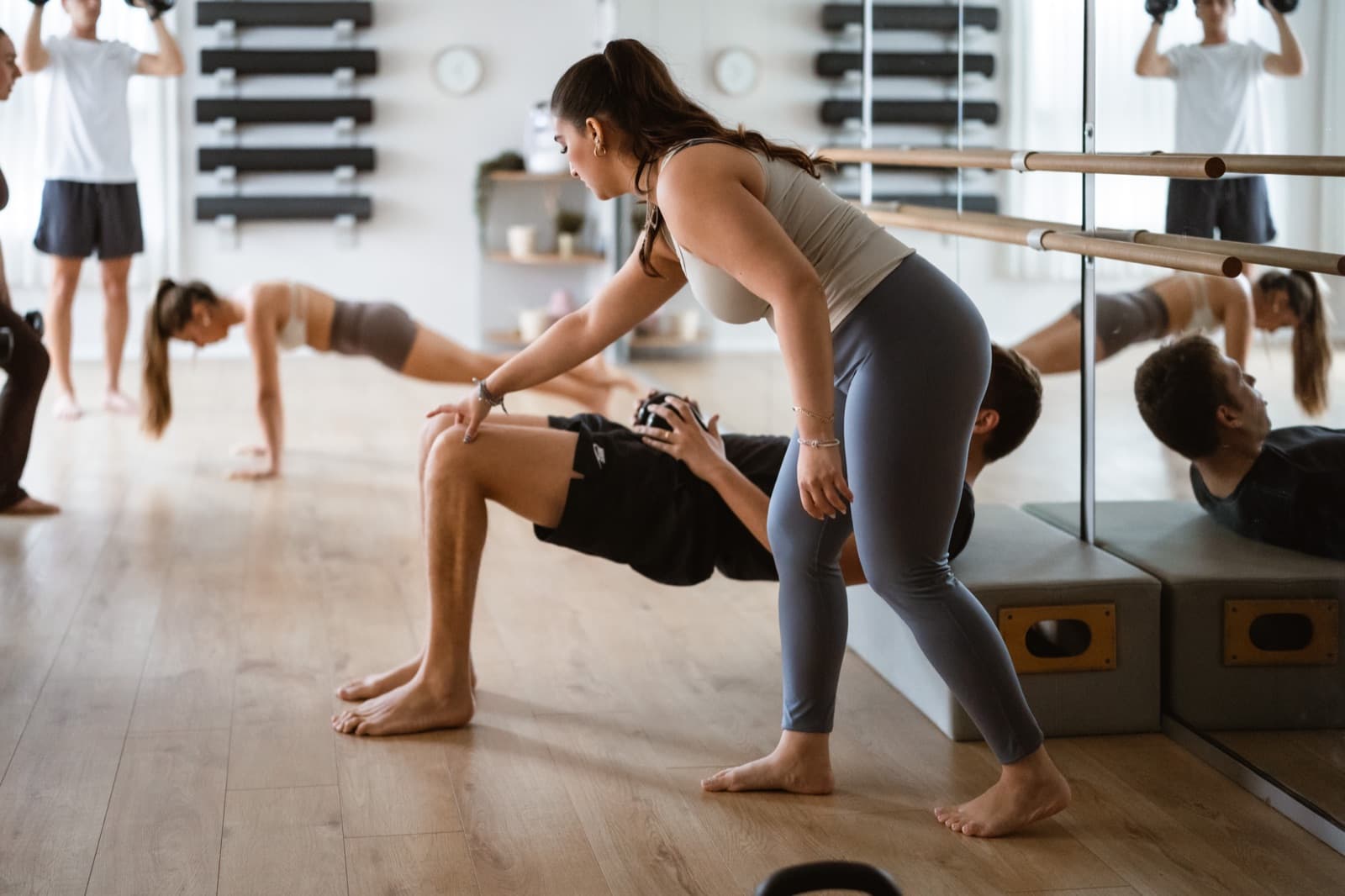
It's important to note that everyone's condition is unique, and you should consult a doctor or a certified Pilates instructor who can adapt the exercises to your specific needs and limitations. That way you'll get guidance on suitable modifications and make sure the exercises are done safely and effectively.
More from the journal
· 2 min read
If I didn't sweat, does it still count as a workout?
You know that moment when you leave the studio, look in the mirror and suddenly think:
· 3 min read
My doctor told me to start Pilates
The information in this post is based on my personal and professional experience and is not a substitute for medical, physiotherapy or any other professional advice. For any medical question or limitation, consult your doctor or treating professional.
· 2 min read
Family movement
The summer holidays bring plenty of challenges – routine, screen time and the endless search for something to do – but also a great opportunity: family quality time that doesn't have to mean screens or another trip to an air-conditioned mall with junk food.