
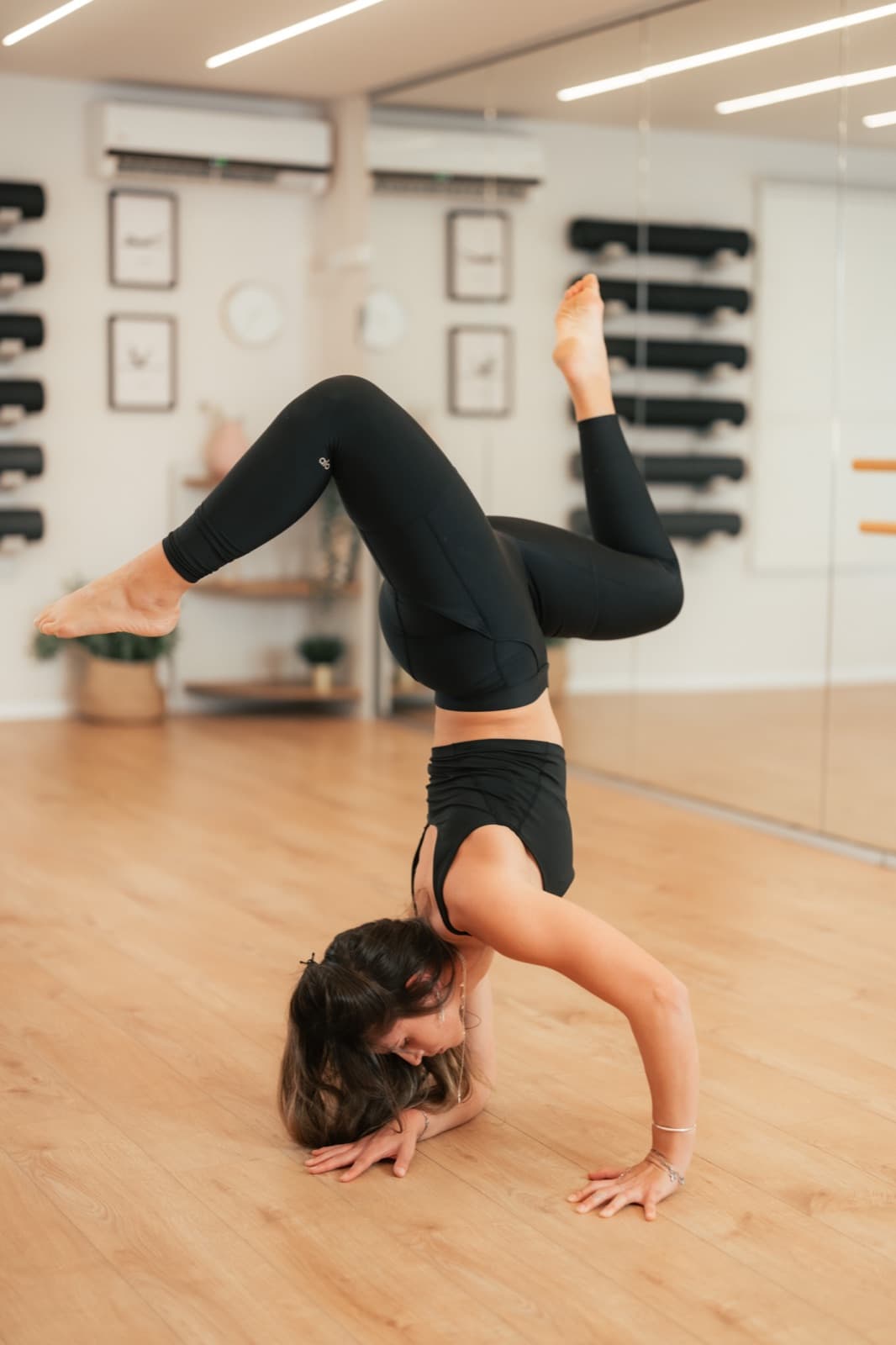
If there's one holiday when everything turns upside down, it's Purim. We swap identities, blur boundaries and play with reality. But why stop at costumes?
Inversions are our body's way of celebrating Purim all year round: they change our perspective, give us a boost of energy, and teach us how to deal with change.
So let's try looking at everything from the other way round… literally!
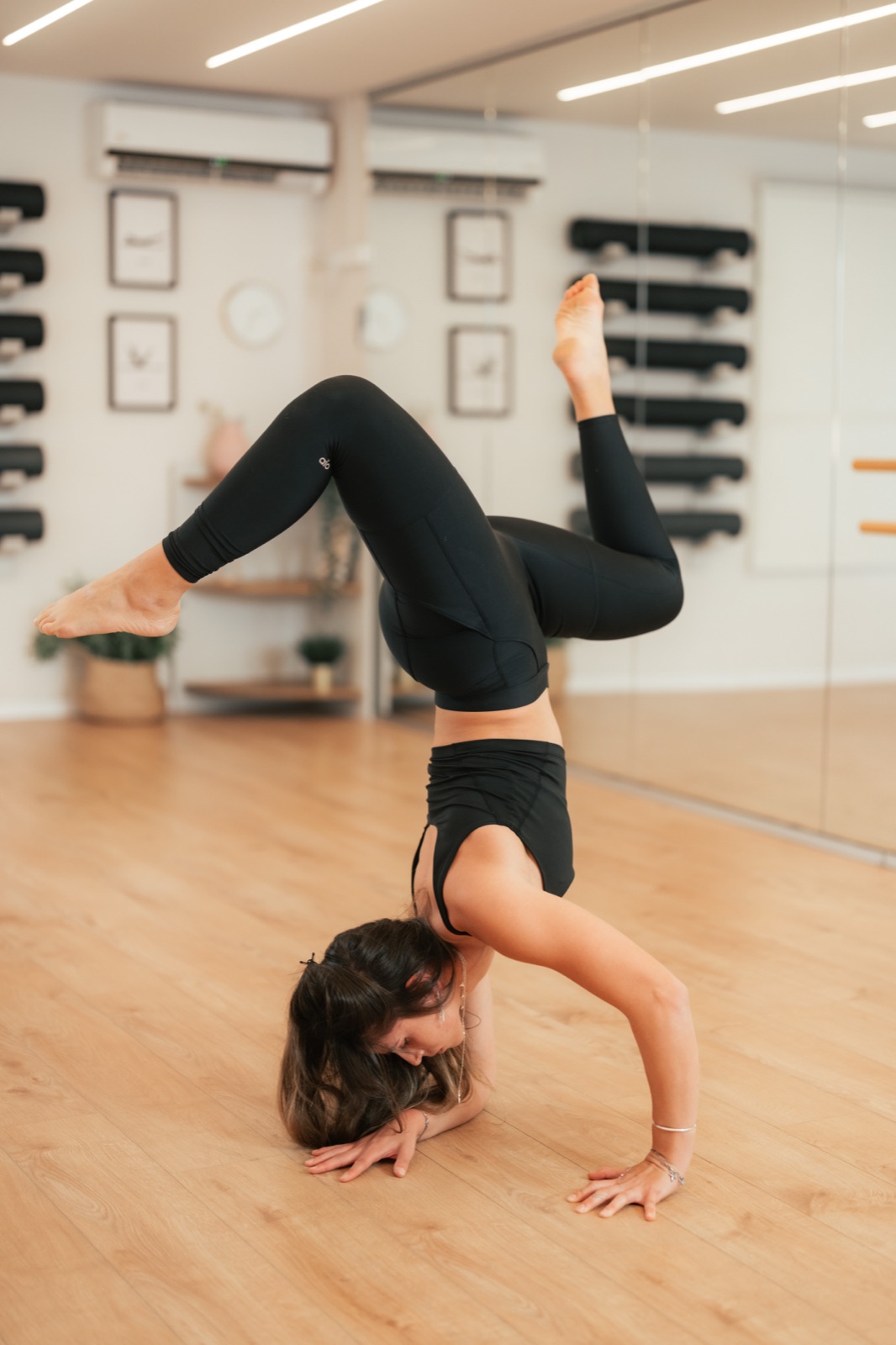
What happens to our body when we turn upside down?
With the head down and the legs up, everything works differently:
Better blood flow – gravity becomes our brain's friend and encourages better oxygenation, which can help concentration and focus.
Hormonal balance – inversions affect the hormonal system and help create a sense of calm – or the opposite, alertness.
Core strength – controlling an inverted position takes work from the abs, back and stabilising muscles to keep you from collapsing.
Lymphatic drainage – inverted movement helps drain toxins through the lymphatic system, boosts metabolism and supports a healthy immune system.
A mental challenge – inversions make us change our perspective, face our fears and feel comfortable outside our comfort zone.
If Purim turns our reality upside down, inversions turn around the way we feel our body!
So which poses can you try?
For beginners – softer, gentler inversions:
Legs up the wall (Viparita Karani) – from the world of yoga, and the easiest way to get used to reversing the flow in your body. Lie on your back with your legs straight and resting against the wall – and there you go, you're upside down!
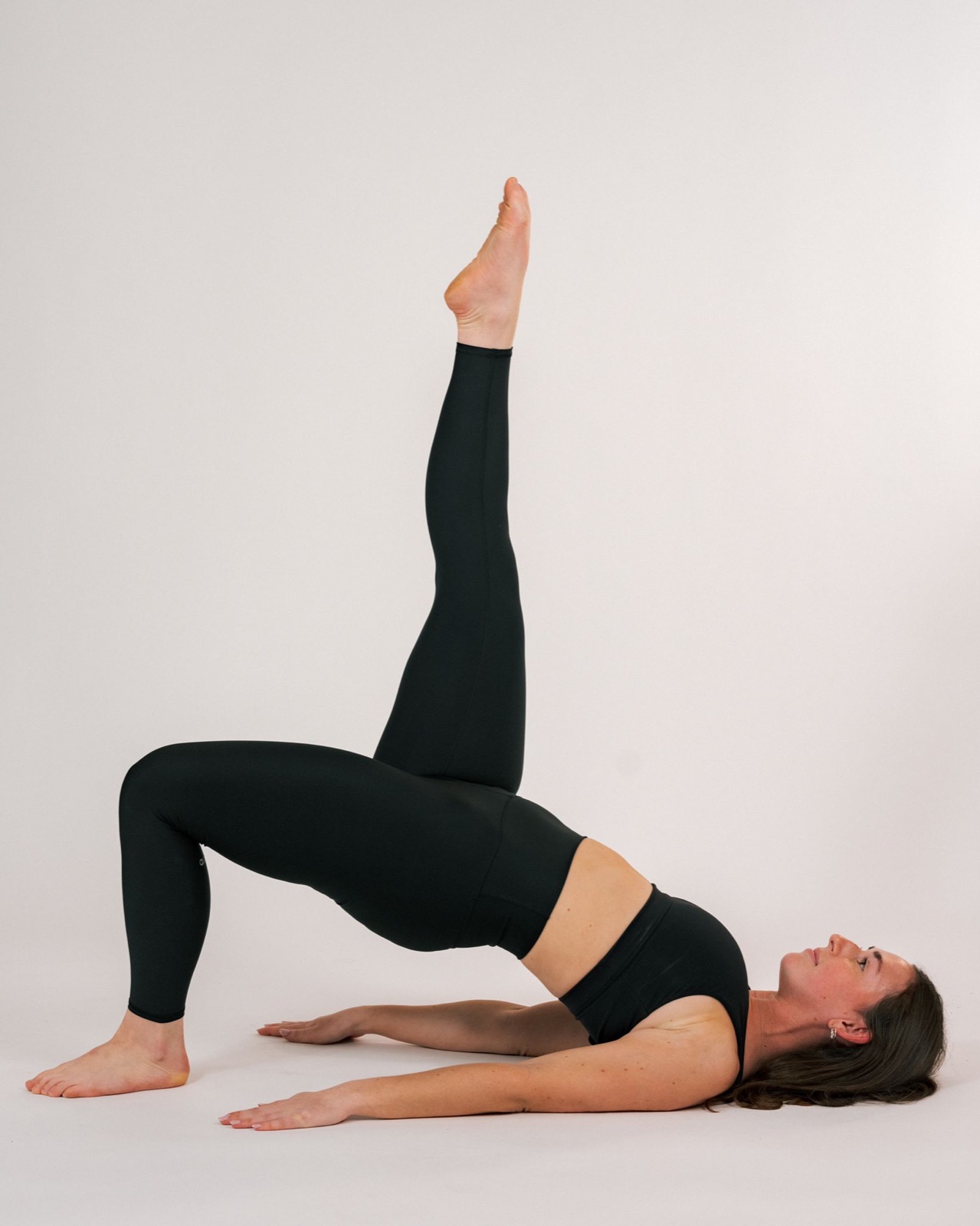
Shoulder bridge – increases blood flow to the brain without loading the shoulders or hands.
Lie on your back, press your hands into the floor and lift your pelvis up.
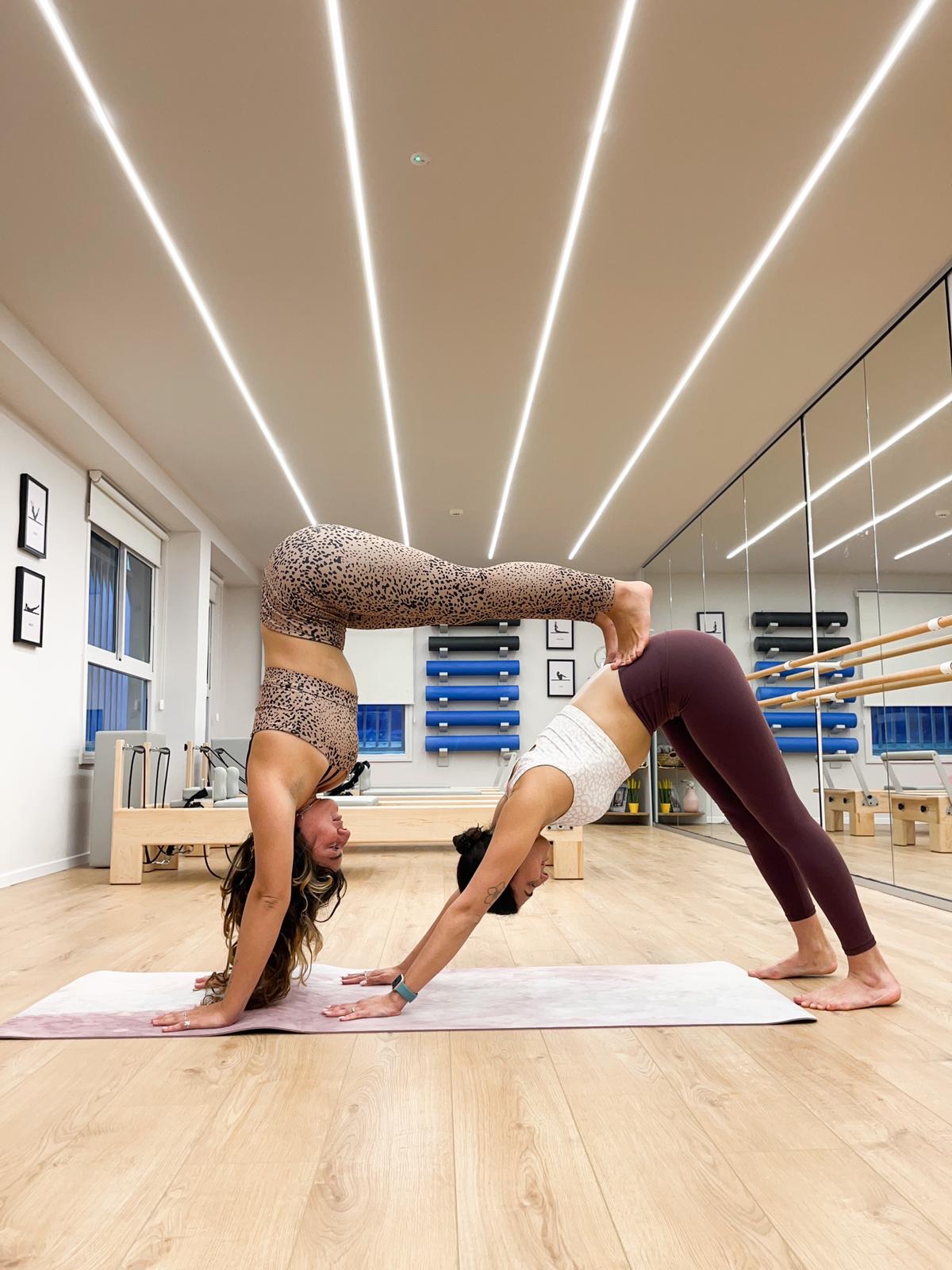
Downward dog – yoga's "active rest" pose. It strengthens balance, lengthens the spine and encourages good blood flow to the brain. From a plank, walk your hands toward your feet until your body forms a triangle, with the floor as the bottom side.
For the more experienced – entering the upside-down world:
Roll over – a classic Pilates exercise that engages the core, mobilises the back and teaches complete control of movement. Lying on your back, lift your straight legs from below all the way over your head.
Jackknife – a more challenging version of the roll over that strengthens the deep abdominal muscles and the shoulder girdle. After lifting your legs toward the ceiling, try to engage your abs and press your pelvis upward. You can support your waist with your hands.
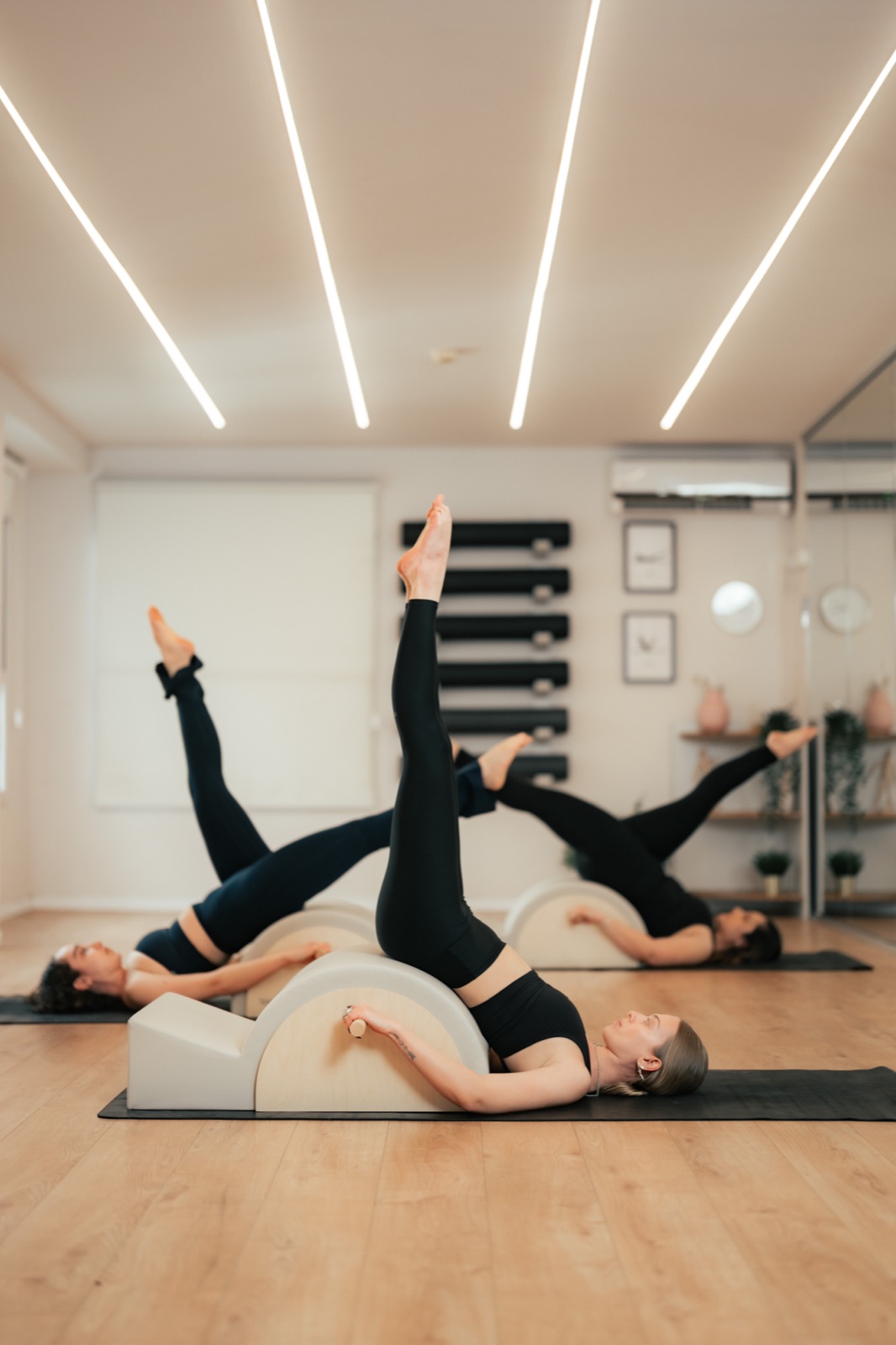
For the adventurous – upside down and then some (only if you're already a pro at inverting ;)
Headstand – a real challenge for stability and spatial control, with strong physical and mental effects. Practising a headstand is complex and a long-term process. Make sure you first practise with a certified instructor who will teach you to do it safely!
Handstand – the peak of body control. It takes strength, balance and determination, but gives a satisfaction like nothing else. You can practise handstands against a wall. Press your shoulders "down" (your down, not the Earth's ;) and use your core to stabilise and hold.
Pincha (forearm stand) – standing on your forearms, with them and your palms spread on the floor. Note – there's no head support, so the stability comes only from the shoulders and core. It needs excellent shoulder opening to hold the body in a straight line without collapsing – a play between strength and flexibility.
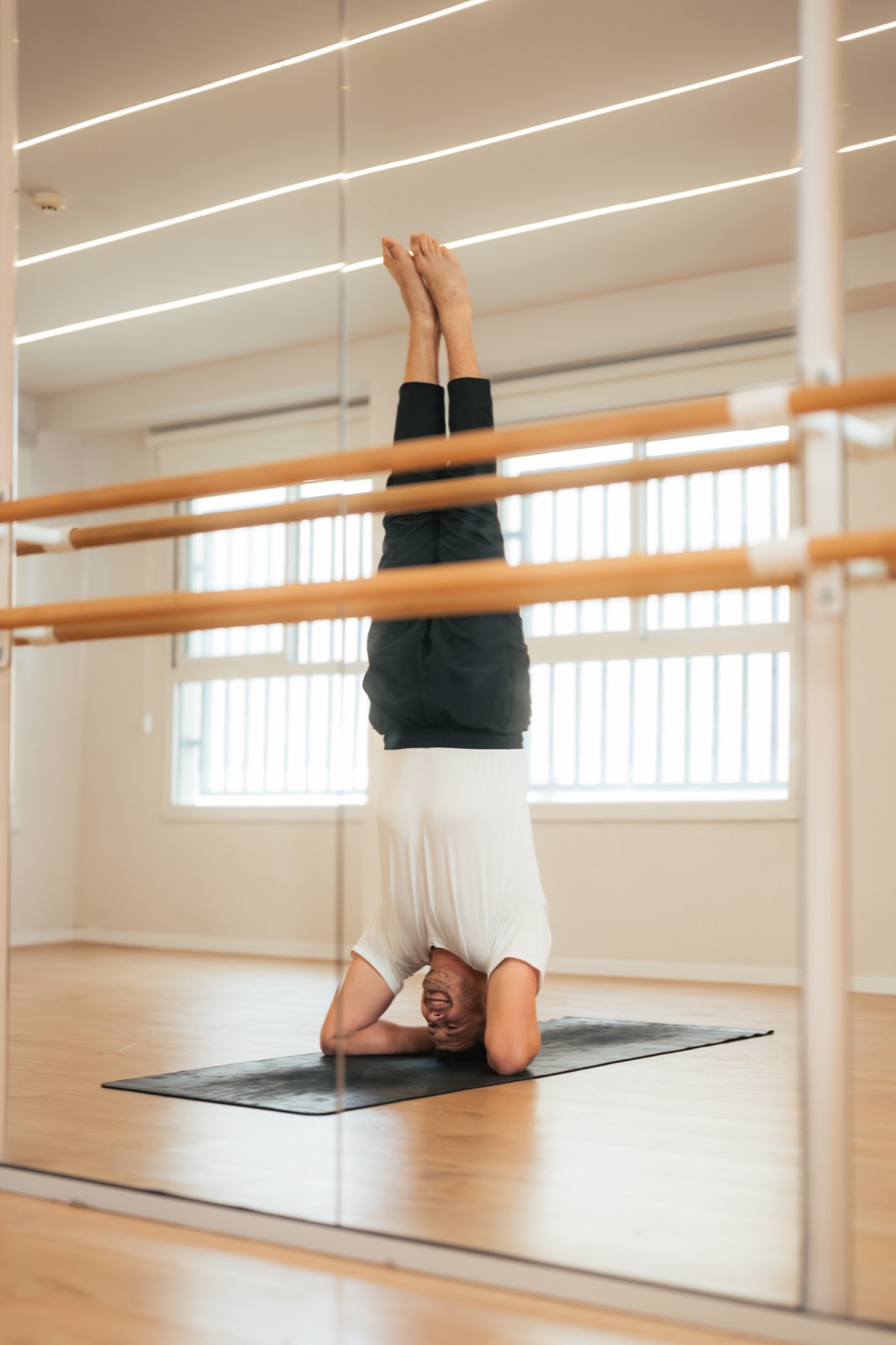
But wait… is this right for everyone?
Like everything, inversions come with different approaches.
🔸 In the yoga tradition, some views recommend avoiding inversions during menstruation. There are several reasons – from the belief that they might affect blood flow to claims that they disrupt the body's energy. It's important to note that no conclusive research proves this.
🔹 High blood pressure or neck problems? Some inversions load the blood vessels and the cervical spine, so listen to your body and progress gradually, under the supervision of a certified instructor.
🔸 Dizziness or a fear of turning upside down? That's completely natural! If your body signals that something doesn't feel right, there are always softer ways into the world of inversions.
Bottom line: know your limits and make the experience empowering, not burdensome.
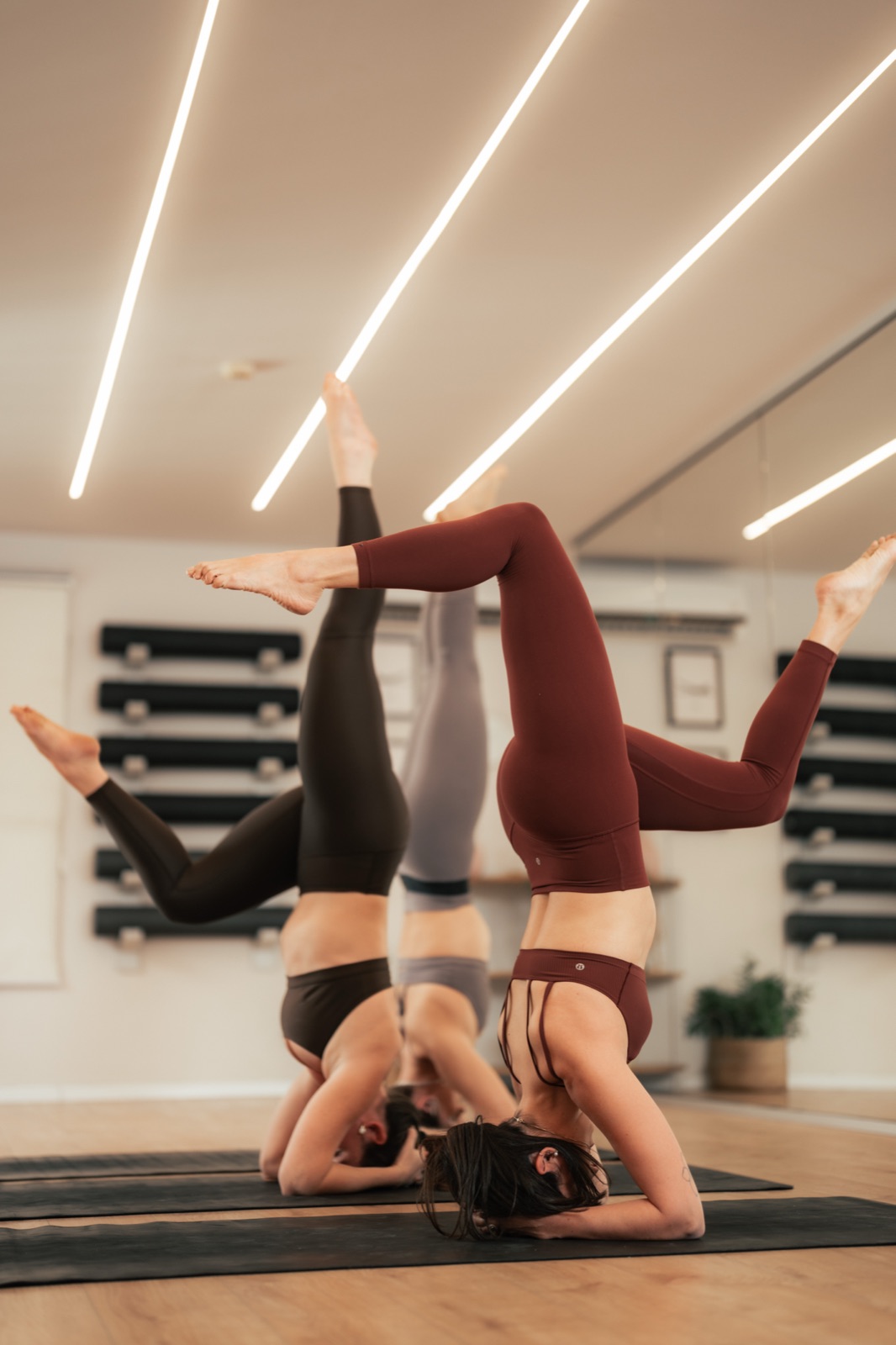
So why turn our world upside down at all?
Just as anything can happen on Purim, inversions give us a new perspective:
they change how we see what our body is capable of,
help us let go of stuck thoughts and see things differently,
and get us out of our comfort zone to dare.
Sometimes, all we need is to see the world from a different angle.
More from the journal
· 2 min read
If I didn't sweat, does it still count as a workout?
You know that moment when you leave the studio, look in the mirror and suddenly think:
· 3 min read
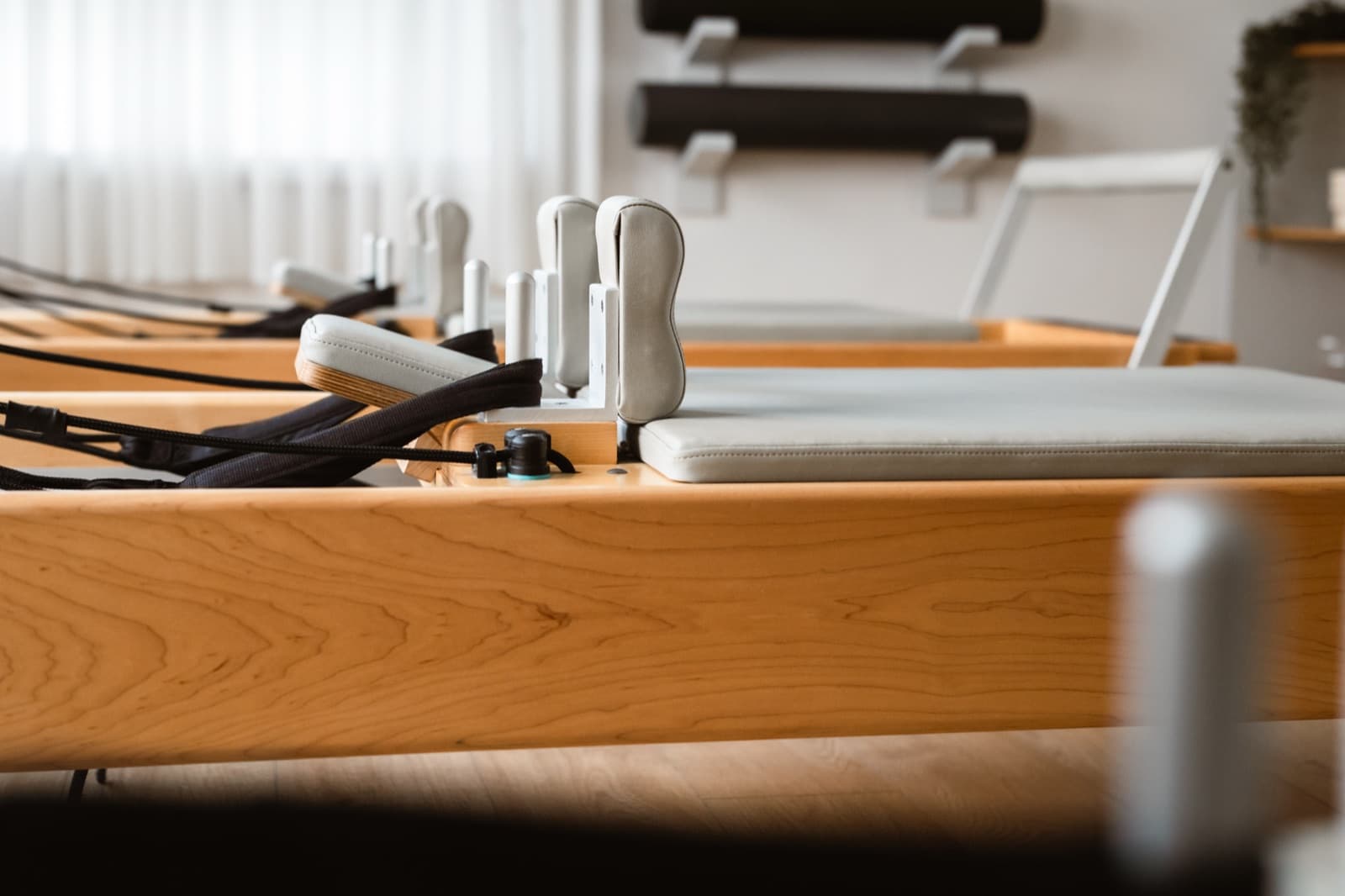
My doctor told me to start Pilates
The information in this post is based on my personal and professional experience and is not a substitute for medical, physiotherapy or any other professional advice. For any medical question or limitation, consult your doctor or treating professional.
· 2 min read
Family movement
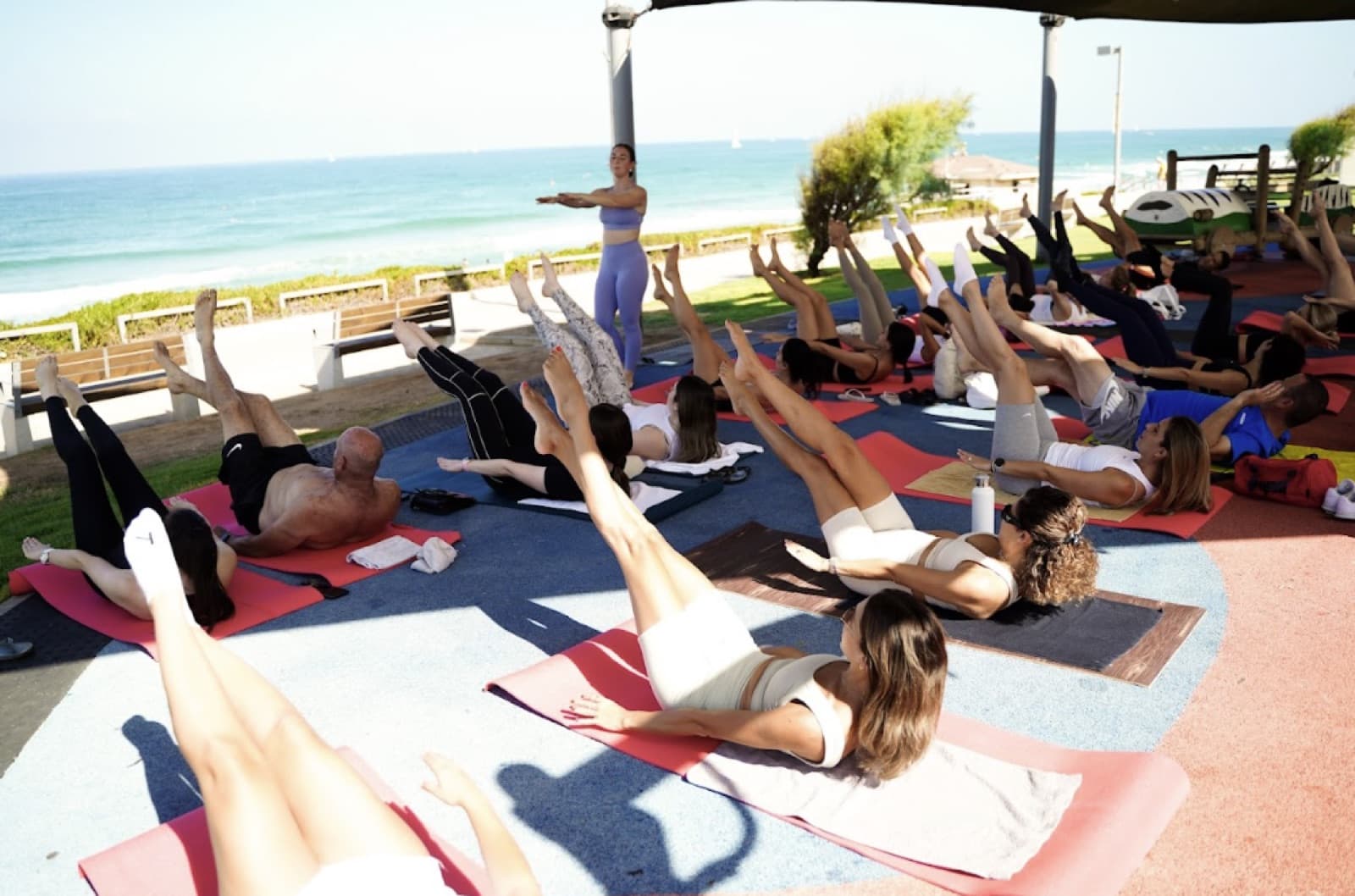
The summer holidays bring plenty of challenges – routine, screen time and the endless search for something to do – but also a great opportunity: family quality time that doesn't have to mean screens or another trip to an air-conditioned mall with junk food.